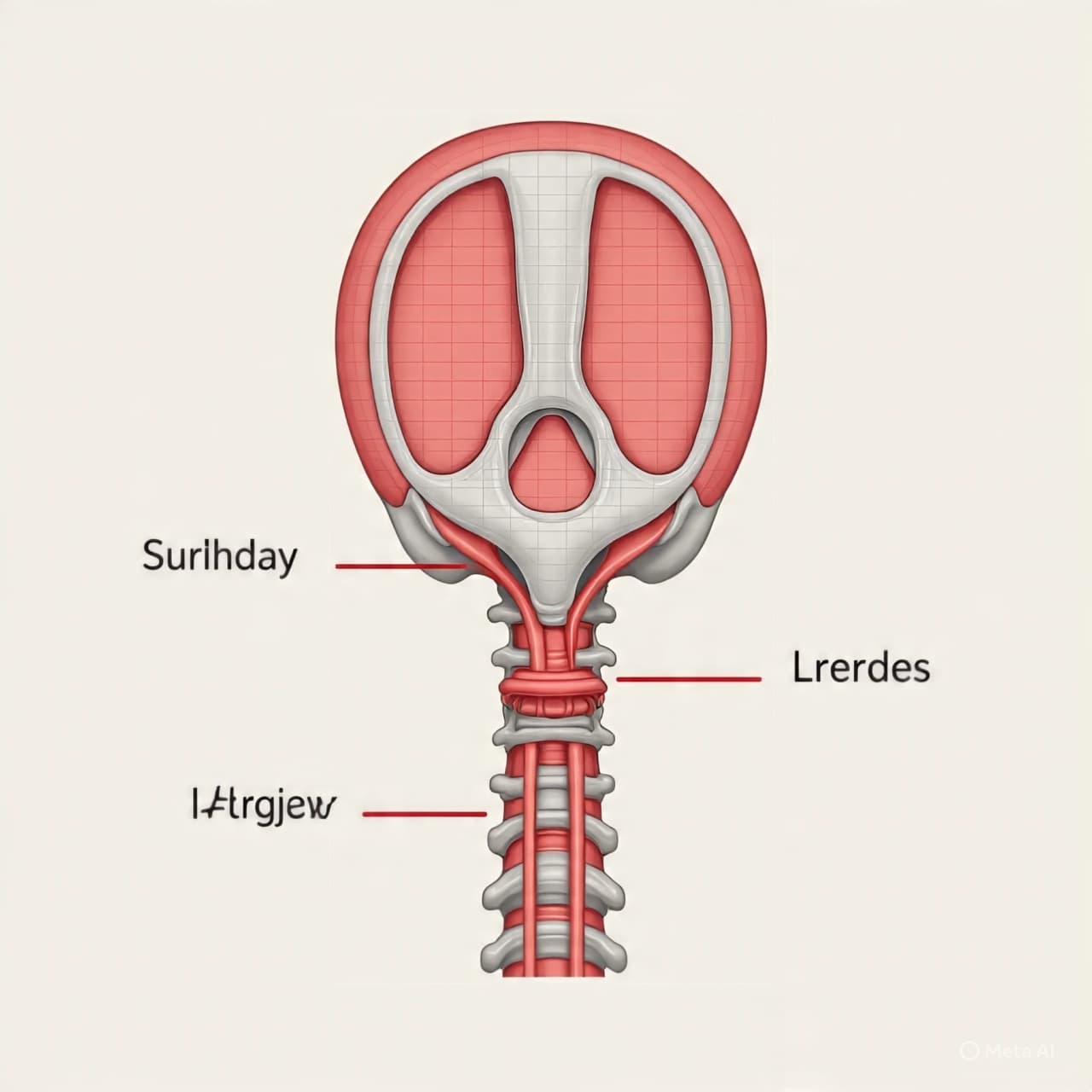
There are moments in life when breath itself becomes a quiet teacher, reminding us of its preciousness through absence rather than presence. For Sarah Carroll, once an energetic young attorney and avid runner, that lesson came unexpectedly and with increasing weight. At first, it was a subtle hesitation of breath, like a gentle gust that faltered before reaching its full arc. Over time, ordinary conversations, exercise, and the very act of living felt as though they were passing through a narrowing tunnel rather than the open expanse she once knew. In the mirror of memory, she recalls thinking something was wrong in a place so fundamental it cannot be ignored — the air inside her own throat felt constricted, almost as if an unseen force weighed against every inhale.
Such experiences can be disorienting, not just for the body but for the mind and the spirit. When symptoms resemble more familiar conditions — in this case, shortness of breath and wheezing akin to asthma — the familiar names become easy placeholders for discomfort. For years, Carroll’s breathing difficulties were treated with inhalers and asthma management plans, each promising relief that never came. Despite her persistence in seeking answers, the true nature of her ailment lay obscured by the more common possibilities that first come to a clinician’s mind. This winding path from assumption to understanding is shared by many who suffer from rare conditions, where the ordinary blinds us to the extraordinary.
Eventually, advanced imaging revealed the true culprit: idiopathic subglottic stenosis (iSGS), a rare airway disease that causes scar tissue to form just below the vocal cords, narrowing the passage through which air travels. This condition predominantly affects women, and its rarity contributes to delayed diagnosis as symptoms mimic well‑known respiratory illnesses. For Carroll, the imaging was both a revelation and a relief — confirming that her symptoms were not imagined, but real and significant. Suddenly, she understood why everyday tasks had become a struggle and why standard asthma treatments had failed to help.
The emotional resonance of such a diagnosis is complex. On the one hand, understanding brings clarity; on the other, it brings the sobering truth that recovery may not follow a simple trajectory. Carroll underwent multiple dilation procedures to gently reopen her airway, but each relief was fleeting — scar tissue tended to return, like tides inexorably reshaping the shore. It was only when she sought specialized care and a more definitive surgical approach that she found a path toward lasting improvement.
Through perseverance, research, and compassionate specialist intervention, Carroll began a new chapter in her life that included the possibility of motherhood — a milestone she once feared might remain out of reach due to the demands her condition placed on her breath and body. Today, she reflects on her journey with a quiet resolve, recognizing that her experience underscores the importance of listening to one’s own body, especially when symptoms persist despite treatment.
Rare conditions like iSGS remind us that medicine is an art as much as a science — where clinical experience and nuanced expertise must intersect with patient stories to arrive at truth. Carroll’s path from misdiagnosis to specialized care brings into focus not just the challenges of rare airway diseases, but also the resilience of those who navigate them.
In straightforward terms, idiopathic subglottic stenosis is a rare airway condition that can be mistaken for asthma due to overlapping symptoms like breathlessness and wheezing. It often requires endoscopic evaluation or specialized imaging to diagnose correctly. Carroll’s case highlights the importance of clinical vigilance when symptoms fail to respond to standard treatment and supports greater awareness of rare airway conditions among clinicians and patients alike.
AI Image Disclaimer “Graphics are AI‑generated and intended for representation, not reality.”
Source Check – Credible Media Names Newswise Mirage News (No additional mainstream news outlets found directly covering this specific patient case — proceed with article using the available reports)
Published by Banx Network. This article is part of the Banx decentralized media programme, powered by the BXE token on the XRP Ledger.

.jpg&w=3840&q=75 "Qantas Grounds Plane After Passengers Report Bedbug Bites")