
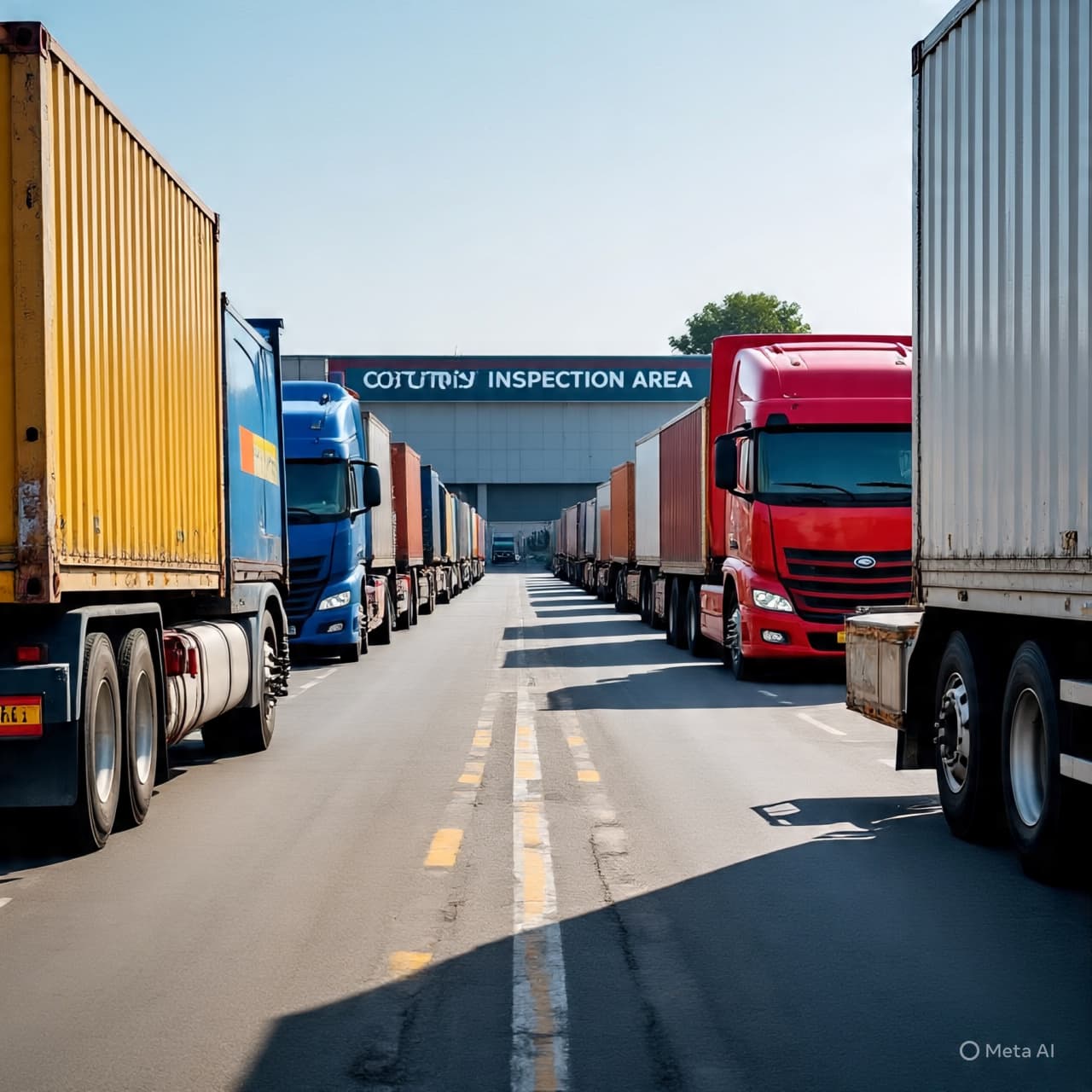
Key Highlights
- Ecuador raises tariffs on Colombian goods to 100%, escalating trade tensions.
- The decision reflects deeper political and economic disputes between the two nations.
- The tariff increase impacts businesses and communities reliant on cross-border trade.
Ecuador's recent decision to impose a staggering 100% tariff on imports from Colombia has sent shockwaves through the region, marking a significant escalation in an already strained trade relationship. This move, which effectively doubles the tariffs on Colombian goods, signals a shift from mere concern to outright confrontation, as both nations grapple with the implications of this economic measure.
The backdrop to this decision is a complex mix of political and economic factors that have long simmered beneath the surface. Ecuadorian authorities have expressed concerns over trade imbalances and the impact of Colombian imports on local industries. By raising tariffs to their maximum level, Ecuador aims to protect its domestic market while sending a clear message about its stance in the ongoing dispute.
For Colombian exporters, this sudden barrier presents a formidable challenge. Goods that once flowed freely into Ecuador now face significant hurdles, leading to uncertainty for businesses on both sides of the border. Orders are being reconsidered, supply chains are being adjusted, and partnerships are under strain as the ramifications of this tariff increase unfold.
The broader narrative surrounding this trade dispute reflects deeper questions about national priorities and regional cooperation. While specific grievances may have triggered the tariff hike, the situation underscores a growing tension that has yet to find resolution. The escalation of tariffs suggests that economic tools are being wielded in the absence of diplomatic consensus, raising concerns about the future of trade relations between these neighboring countries.
Ecuador's decision may be viewed as a protective measure aimed at bolstering its domestic industries. However, it also poses a challenge for Colombia, which may feel compelled to respond in kind, potentially deepening the cycle of retaliation. This dynamic is not uncommon in global trade, but it carries particular significance between nations that share a border and economic ties.
Geographic proximity often brings both opportunities and vulnerabilities. Shared borders facilitate commerce, but they also mean that disruptions are felt more acutely. Communities, businesses, and transport networks that rely on cross-border activity are among the first to experience the effects of such trade disputes. The implications extend beyond immediate economic concerns, affecting social and cultural exchanges that have historically defined the relationship between Ecuador and Colombia.
In recent years, South America has emphasized the importance of economic integration, striving to strengthen ties through trade agreements and cooperative frameworks. The escalation of tariffs between Ecuador and Colombia introduces a point of tension within this broader effort, raising questions about how such disputes can be managed without undermining collective goals. The potential for dialogue remains, as trade conflicts often coexist with ongoing negotiations, allowing for the exploration of de-escalation or compromise.
Despite the current tensions, observers note that the situation remains fluid. While Ecuador's tariff increase marks a clear escalation, the longer-term trajectory will depend on how both countries respond—whether through further measures or renewed efforts at negotiation. For now, the trade relationship between Ecuador and Colombia stands at a critical juncture, defined by policy decisions that carry both immediate impact and broader significance. As developments unfold, attention will be focused on whether this path leads to further escalation or a gradual return to balance.
Published by Banx Network. This article is part of the Banx decentralized media programme, powered by the BXE token on the XRP Ledger.



