In moments of hardship, nations often speak in the language of assistance. Not with grand declarations, but with measured commitments that travel quietly across borders. Aid, in this sense, becomes less about diplomacy and more about shared vulnerability—a recognition that suffering anywhere carries an echo everywhere.
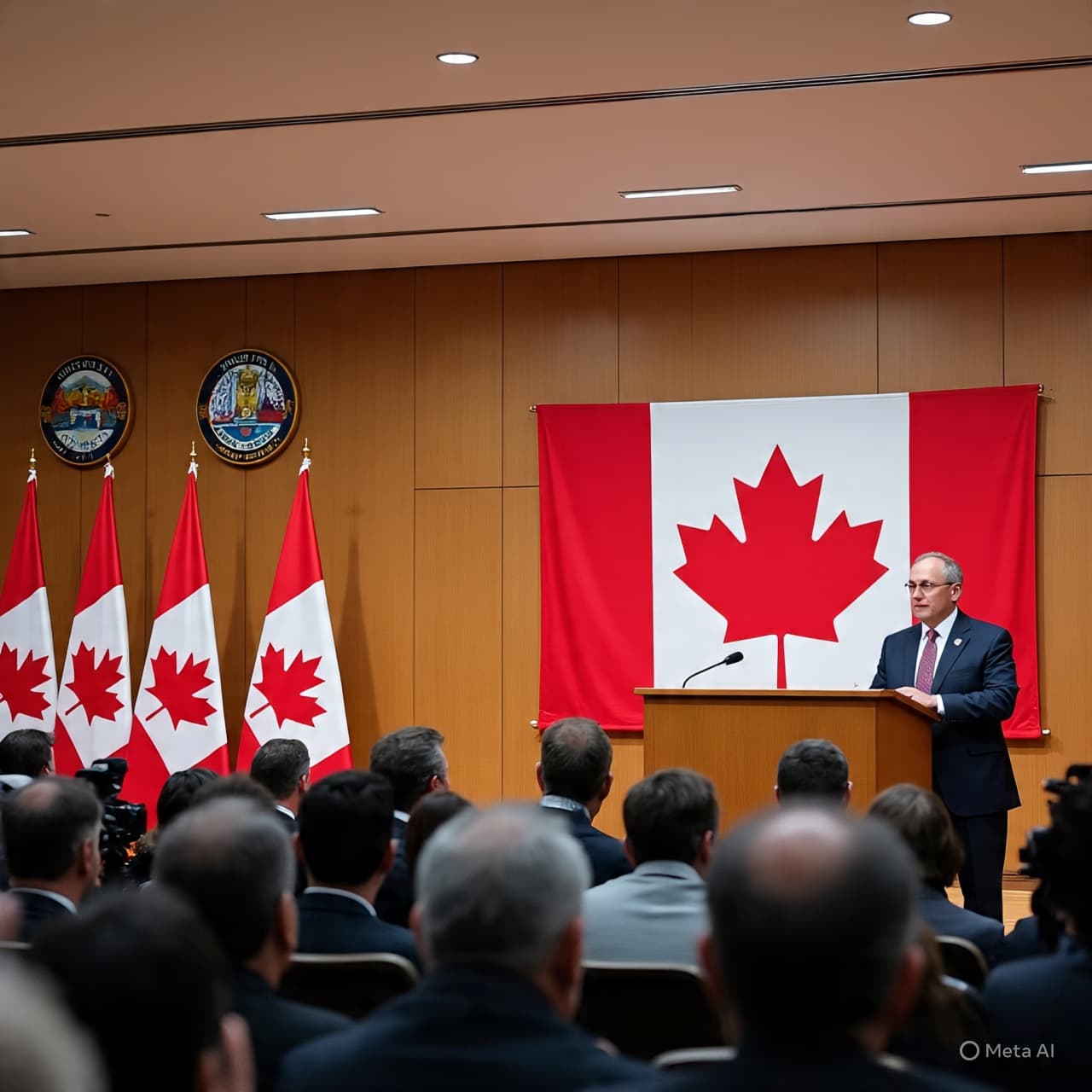
This week, Ottawa announced an $8 million funding commitment to Cuba, as the Caribbean nation continues to navigate a deepening humanitarian crisis. The support is intended to address urgent needs linked to food insecurity, access to basic medical supplies, and essential services strained by prolonged economic pressures and natural disasters.
Cuba has faced mounting challenges in recent years. Shortages of fuel, electricity disruptions, and limited access to imported goods have affected daily life for millions. Inflation and supply chain constraints have compounded long-standing structural issues, placing additional stress on families and public institutions. International observers have described the situation as increasingly fragile, particularly for vulnerable populations such as children, older adults, and those with chronic illnesses.
Canada’s announcement positions the funding as humanitarian in nature. Officials indicated that the assistance will be delivered through trusted international organizations and humanitarian partners already operating on the ground. The goal, according to statements accompanying the funding, is to ensure aid reaches communities most in need while maintaining transparency and accountability.
The relationship between Canada and Cuba has historically differed from that of some other Western nations. Diplomatic ties have remained intact for decades, allowing for cooperation in areas ranging from tourism to disaster response. In times of hurricanes and other emergencies, Canadian humanitarian channels have previously extended support to the island.
The $8 million commitment, while modest in the scale of global aid budgets, signals engagement at a moment when Cuba’s domestic resources are stretched thin. Analysts note that humanitarian assistance is often calibrated not only to immediate needs but also to broader regional stability. The Caribbean, vulnerable to climate events and economic volatility, depends in part on international partnerships during periods of acute strain.
At the same time, aid decisions can carry political sensitivities. Governments frequently emphasize that humanitarian funding is directed toward people rather than political systems. Ottawa’s framing reflects this approach, focusing on essential relief rather than broader policy shifts.
For ordinary Cubans, however, the practical impact may matter more than diplomatic nuance. Access to food programs, medical equipment, and basic supplies can alter daily realities in tangible ways. Humanitarian funding, though measured in dollars on paper, often translates into medicines on shelves or meals in community kitchens.
In announcing the assistance, Canadian officials described the funding as part of ongoing efforts to respond to global humanitarian needs. The allocation is expected to move through established aid channels in the coming months, with implementation overseen by partner organizations working locally.
As the situation in Cuba continues to evolve, the effectiveness of international assistance will likely be assessed in both immediate outcomes and longer-term resilience. For now, the announcement marks a step—quiet, deliberate—toward easing pressures in a region confronting significant hardship.
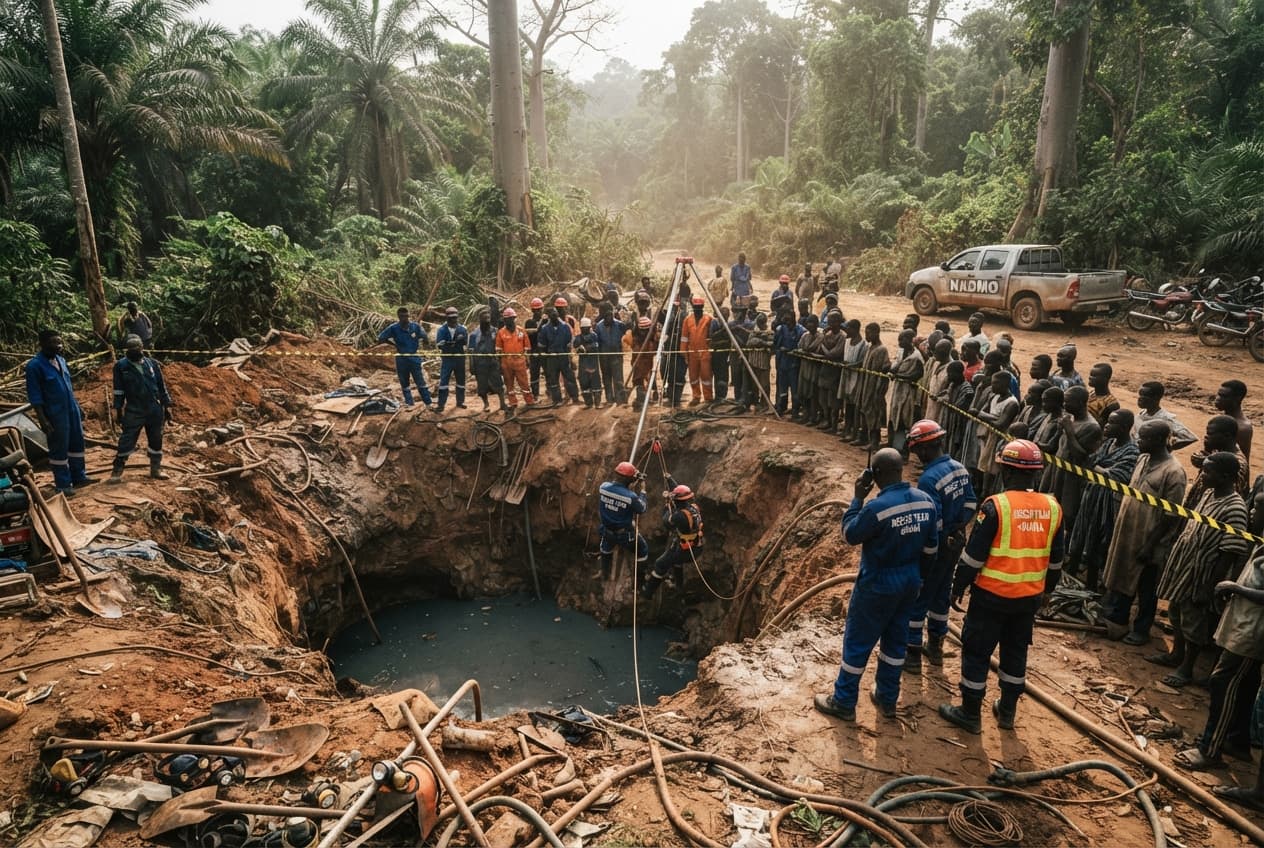
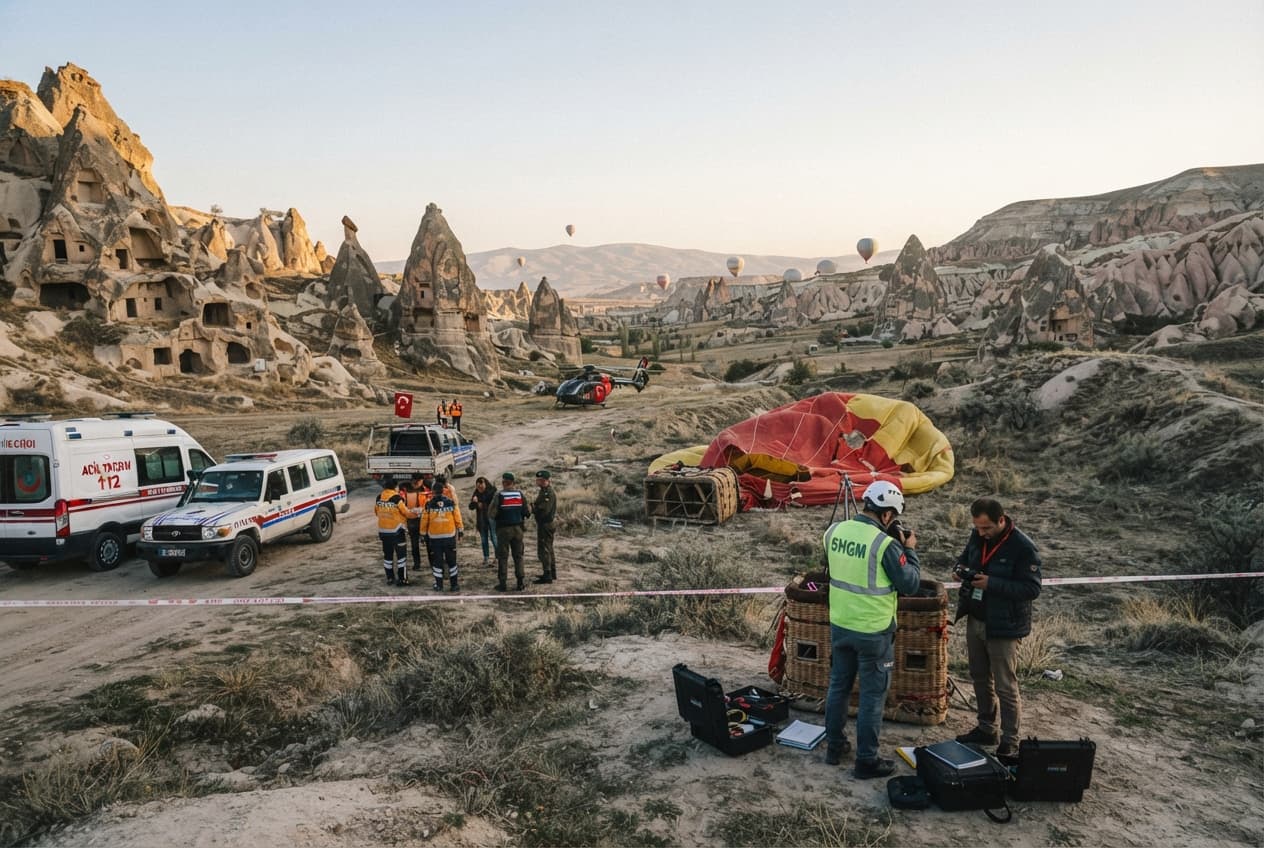
AI Image Disclaimer Illustrations were produced with AI and serve as conceptual depictions.
Sources CBC News The Globe and Mail Reuters CTV News The Canadian Press
Published by Banx Network. This article is part of the Banx decentralized media programme, powered by the BXE token on the XRP Ledger.