
Key Highlights
- U.S. suspends immigrant visa processing for 75 countries.
- Cambodia and Thailand among nations affected by the pause.
- Temporary travel visas remain largely unaffected.
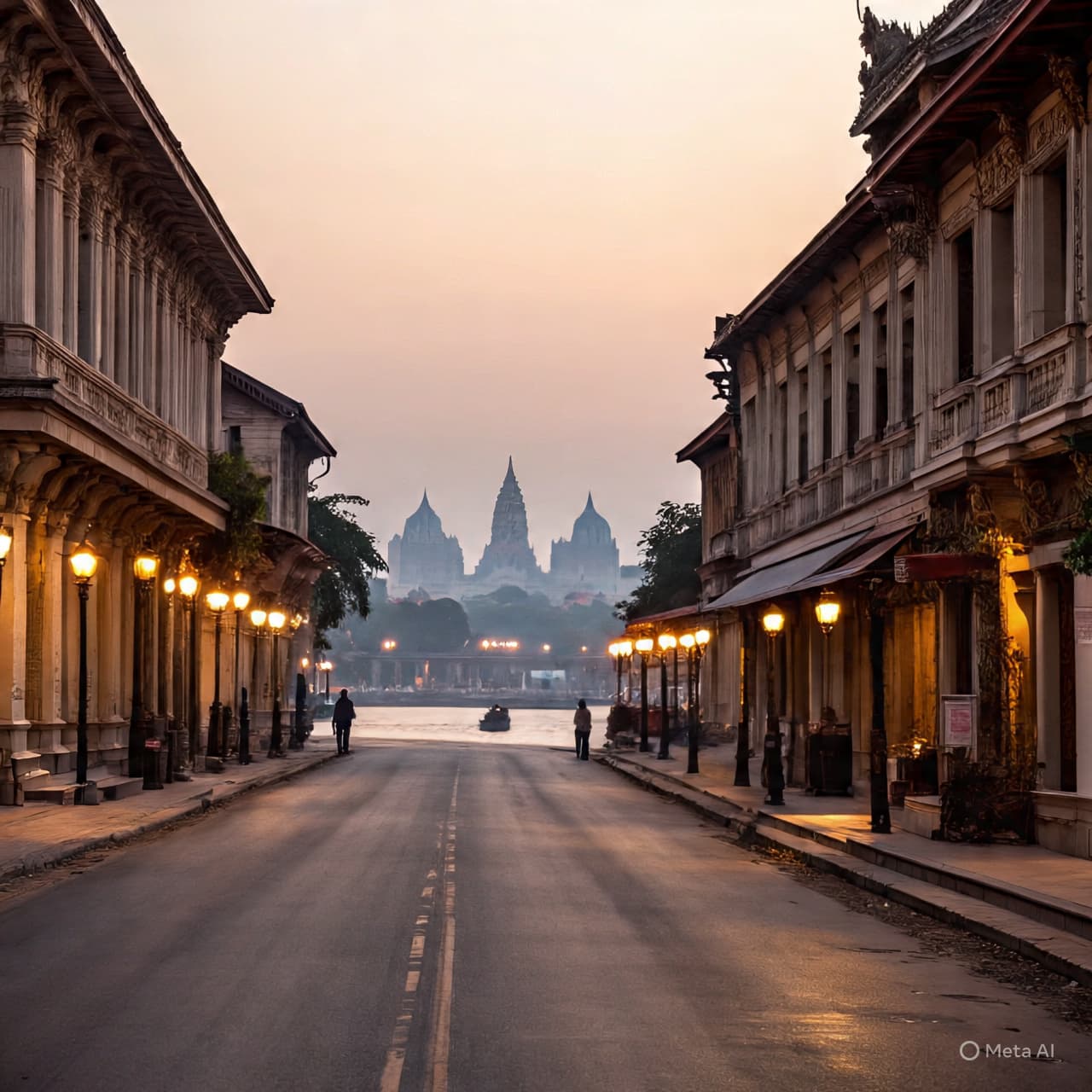
The morning light casts a serene glow over Phnom Penh’s streets, where the gentle sway of leaves accompanies the rhythm of daily life. In Bangkok, a soft haze envelops the avenues, as markets open and children make their way to school. Yet, beneath this tranquil surface, significant changes in U.S. immigration policy are creating ripples that will affect many lives across Southeast Asia.
Recently, the United States announced a suspension of immigrant visa processing for citizens of seventy-five countries, including Cambodia and Thailand. This decision introduces a wave of uncertainty for families, students, and workers who have long maintained connections across oceans. While temporary travel for tourism, business, or study remains largely unaffected, the pause on permanent residency applications marks a significant shift in the immigration landscape.
The inclusion of Cambodia and Thailand in this visa processing suspension has taken many observers by surprise. Both nations enjoy strong economic and diplomatic ties with the United States, making the decision seem unexpected. In homes and government offices, individuals are grappling with the practical implications of this pause, weighing it against broader questions of mobility, opportunity, and connection in an increasingly globalized world.
This suspension is part of a larger effort by the U.S. government to tighten immigration policies, emphasizing self-sufficiency and limiting access to permanent residency. Within this context, the measure is one of many that intersect with diplomacy, trade, and regional collaboration. However, it also disrupts the daily lives of those who aspire to cross borders for family reunification, work opportunities, or educational pursuits.
Across Southeast Asia, the impact of this pause is being felt in various ways. Conversations in communities have shifted towards discussions of delays and contingencies, as people navigate the uncertainty of their futures. Despite the pause, life continues in these vibrant cities, but the tension between opportunity and stagnation is palpable, leaving an imprint on the streets, markets, and homes of those affected.
In straightforward terms, the U.S. Department of State's announcement regarding the suspension of immigrant visa processing for citizens of seventy-five countries, including Cambodia and Thailand, signifies a notable change in immigration policy. While temporary travel visas remain largely unaffected, the delays in permanent residency applications will have lasting implications for many individuals and families.
As this situation unfolds, the broader implications of U.S. immigration policy on Southeast Asia will continue to be a topic of discussion among policymakers, experts, and those directly impacted by these changes. The pause in visa processing serves as a reminder of the complexities of immigration and the delicate balance between policy and personal lives.
Published by Banx Network. This article is part of the Banx decentralized media programme, powered by the BXE token on the XRP Ledger.



