
Key Highlights
- Australia refuses to repatriate 34 women and children from Syria.
- Prime Minister Anthony Albanese emphasizes national security concerns.
- The situation reflects broader global challenges regarding citizens in conflict zones.
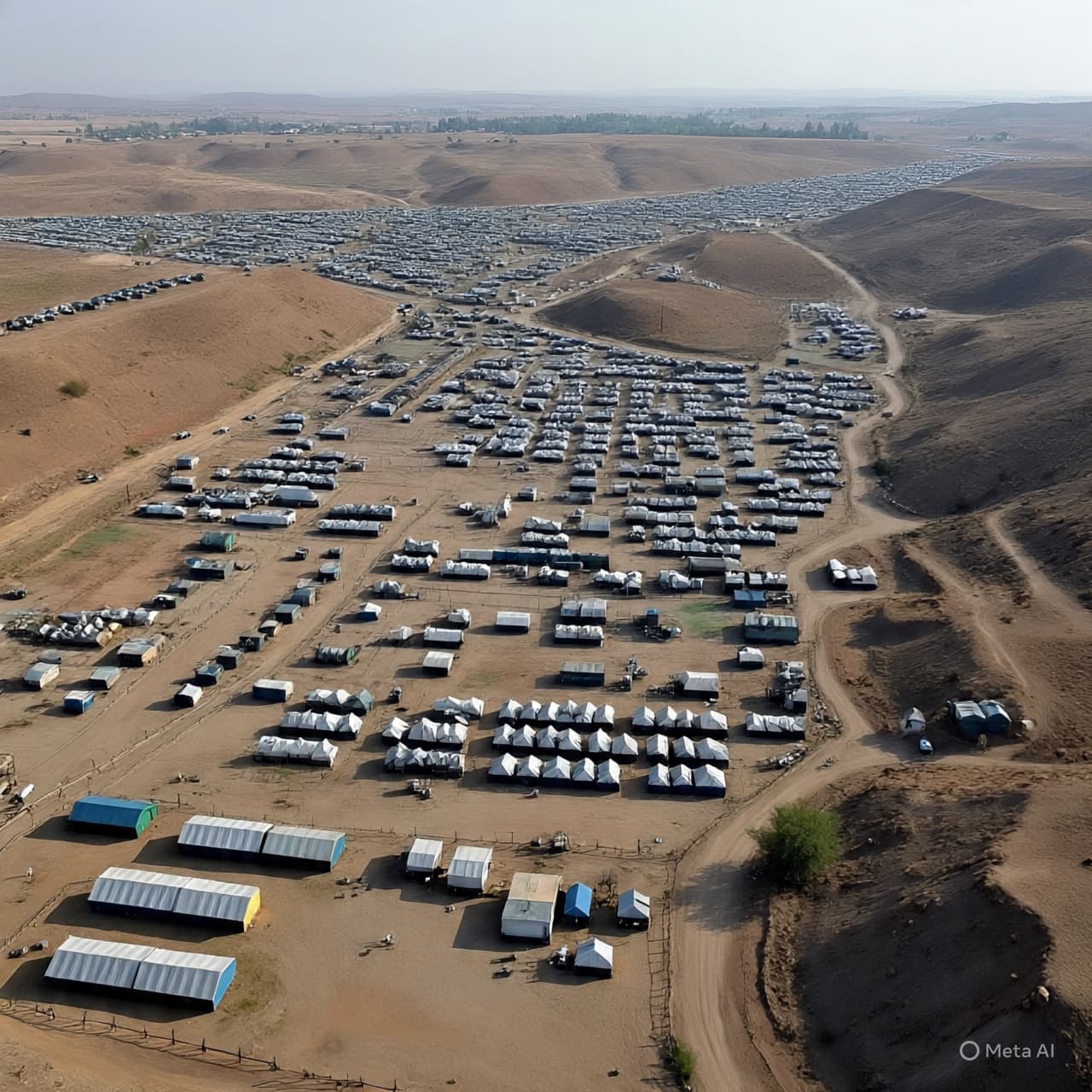
Australia's government has recently reaffirmed its decision not to repatriate 34 women and children currently held in camps in northeastern Syria. This decision, announced by Prime Minister Anthony Albanese, has sparked discussions about national identity, responsibility, and the ethical implications of such policies. The group consists of individuals linked to the Islamic State (IS) militant group, who have been living in the Roj camp for years, facing dire conditions and uncertainty.
Earlier this week, Kurdish authorities briefly released these individuals with the intention of facilitating their travel back to Australia. However, complications arose due to procedural hurdles with the Syrian government, which ultimately led to their return to the camp. This situation highlights the complexities surrounding repatriation efforts, particularly for nations grappling with the implications of returning citizens who have been associated with extremist groups.
In his remarks, Albanese maintained a firm stance, stating that those who traveled abroad to support extremist causes must face the consequences of their actions. He acknowledged the unfortunate reality that children are among those affected by this policy, yet he emphasized that national security concerns and legal frameworks must take precedence. This approach reflects a broader trend among countries dealing with similar dilemmas, as they weigh the risks of repatriation against the potential threats posed by returning citizens.
The global context of this issue is significant, as many nations are currently grappling with how to handle their citizens who have joined armed groups abroad. Some countries have successfully repatriated families through carefully managed operations, while others, like Australia, have adopted a more cautious approach. This divergence in policy responses raises questions about the legal liabilities, humanitarian commitments, and security risks associated with repatriation.
Humanitarian advocates have long argued that indefinite detention in camps poses severe risks, particularly for children who are often caught in the crossfire of geopolitical conflicts. The conditions in these camps are dire, and leaving citizens in prolonged limbo creates both ethical and practical challenges. However, governments often face domestic political pressures and public concerns about extremist threats, complicating their decision-making processes.
As the situation unfolds, the future for the families in the Roj camp remains uncertain. They may attempt another departure, seek legal avenues for repatriation, or continue to endure the harsh realities of life in a conflict zone. This intersection of policy and human experience serves as a poignant reminder of how decisions made in government offices resonate across borders, impacting lives that straddle the complex notions of identity, belonging, and the meaning of home.
Published by Banx Network. This article is part of the Banx decentralized media programme, powered by the BXE token on the XRP Ledger.



