
Key Highlights
- Estonia has restricted border crossing hours to daylight only.
- The changes are a response to heightened security concerns.
- The new policy will remain in effect through late summer.
Estonia has recently implemented significant changes to its border crossing policies, particularly affecting the Koidula and Luhamaa checkpoints. As part of a broader strategy to enhance national security, the government has restricted border operations to daylight hours, specifically from 7 AM to 7 PM. This decision reflects a calculated response to ongoing tensions in the region, particularly in light of recent incidents involving Russian military activities.
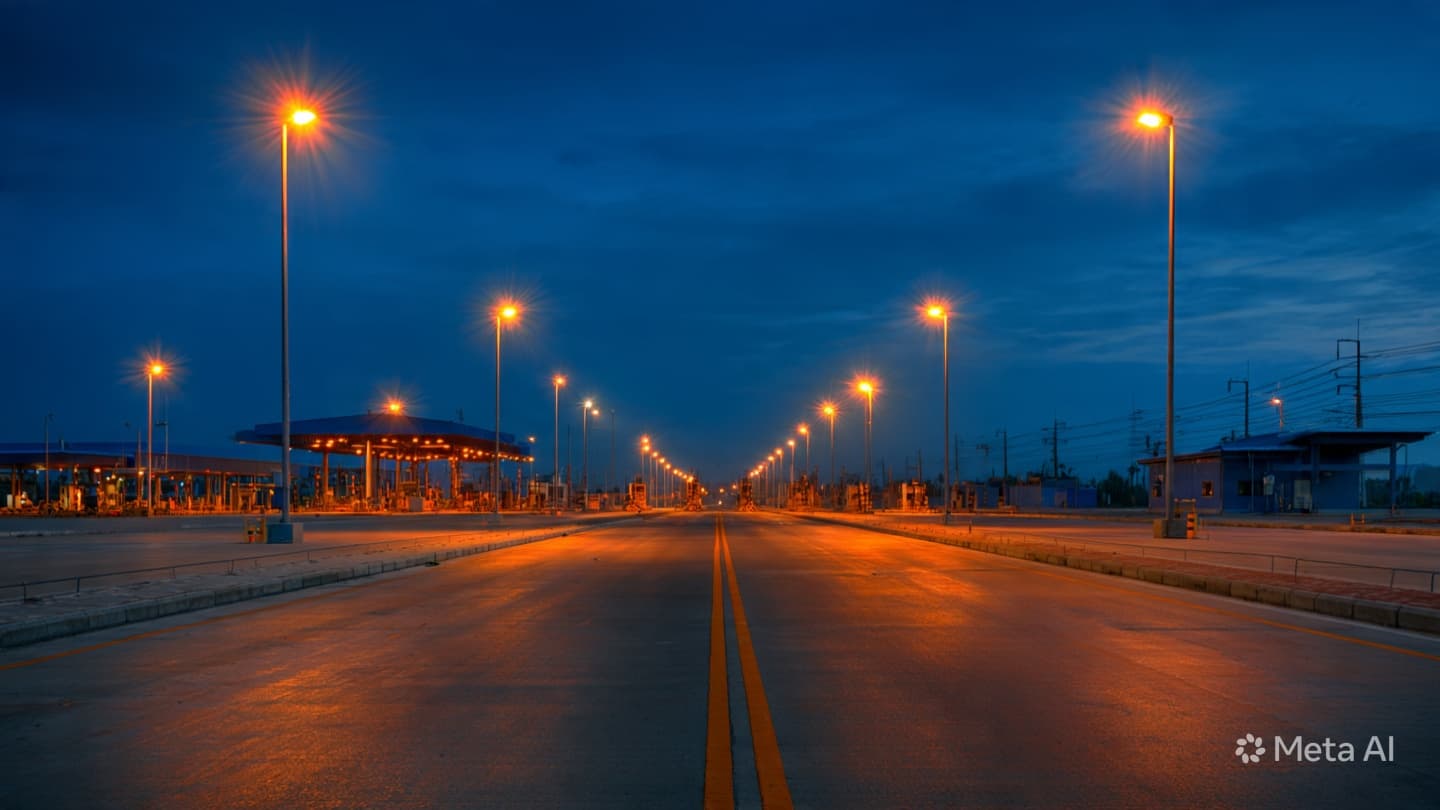
The sun sets with a practiced indifference over the southeastern plains of Estonia, casting long shadows across the roads that connect the country to its eastern neighbor, Russia. In these border zones, the atmosphere has shifted from one of routine passage to a heightened state of vigilance. The decision to limit operating hours is not merely a logistical adjustment; it symbolizes a deeper commitment to security and the integrity of Estonia's borders.
For residents and travelers in the border corridors, this transition has introduced a new rhythm to their daily lives. The once seamless flow of traffic has been replaced by a more cautious approach, where the timing of crossings is now dictated by the setting sun. Authorities have emphasized that these changes are designed to ensure that border guards can maintain a steady and focused presence during operational hours, thereby enhancing the overall security of the area.
The Estonian Interior Ministry has made it clear that the decision to extend nighttime closures through the late summer is a reflection of ongoing security assessments. The ministry's stance is that the predictability of the border remains a primary objective, and there is no rush to revert to previous policies until conditions improve. This cautious approach underscores the seriousness with which Estonia is treating its border security in the current geopolitical climate.
In addition to the Koidula and Luhamaa checkpoints, the pedestrian crossing in Narva is also set to transition to these restricted hours. Starting in mid-June, the flow of people at this significant entry point will be confined to daylight hours, marking a synchronized effort across the country to enhance border security. This policy of uniformity ensures that all major points of entry adhere to the same standards of vigilance, reinforcing the message that Estonia is committed to safeguarding its borders against potential threats.
As the landscape of border security continues to evolve, the implications of these changes extend beyond mere logistics. They reflect a broader narrative of caution and preparedness in the face of uncertainty. For those who traverse these borders, the experience is now framed by a sense of urgency and respect for the new protocols in place. The simple act of crossing a border has transformed into a conscious acknowledgment of the complexities and challenges that define Estonia's eastern thresholds.
In conclusion, Estonia's decision to enforce nighttime border closures is a significant development in its ongoing efforts to maintain security and stability in a region marked by tension. As the country navigates these challenges, the commitment to vigilance and preparedness remains paramount, ensuring that the integrity of its borders is upheld in the face of evolving threats.
Published by Banx Network. This article is part of the Banx decentralized media programme, powered by the BXE token on the XRP Ledger.



