Cities near borders often live double lives. By morning, they serve their own residents — familiar rhythms, neighborhood routines, the quiet commerce of daily life. By afternoon, they absorb the currents of another economy, another currency, another appetite. Over time, those currents can begin to redraw the shoreline.
In Johor Bahru’s downtown core, some local residents say that shoreline is shifting. Once-approachable eateries and retail outlets are increasingly perceived as carrying what many describe as “Singapore pricing” — a shorthand for higher costs that reflect cross-border demand rather than local purchasing power. The phrase, repeated in interviews and commentaries, captures more than a number on a receipt; it reflects a sense of displacement.
Reports from outlets including and note that the strengthening Singapore dollar and improved cross-border connectivity have drawn larger numbers of Singapore-based visitors into Johor Bahru. For businesses, this influx has meant brisk trade and new opportunity. For some locals, however, it has also meant recalibration — of where to shop, dine, and spend time.
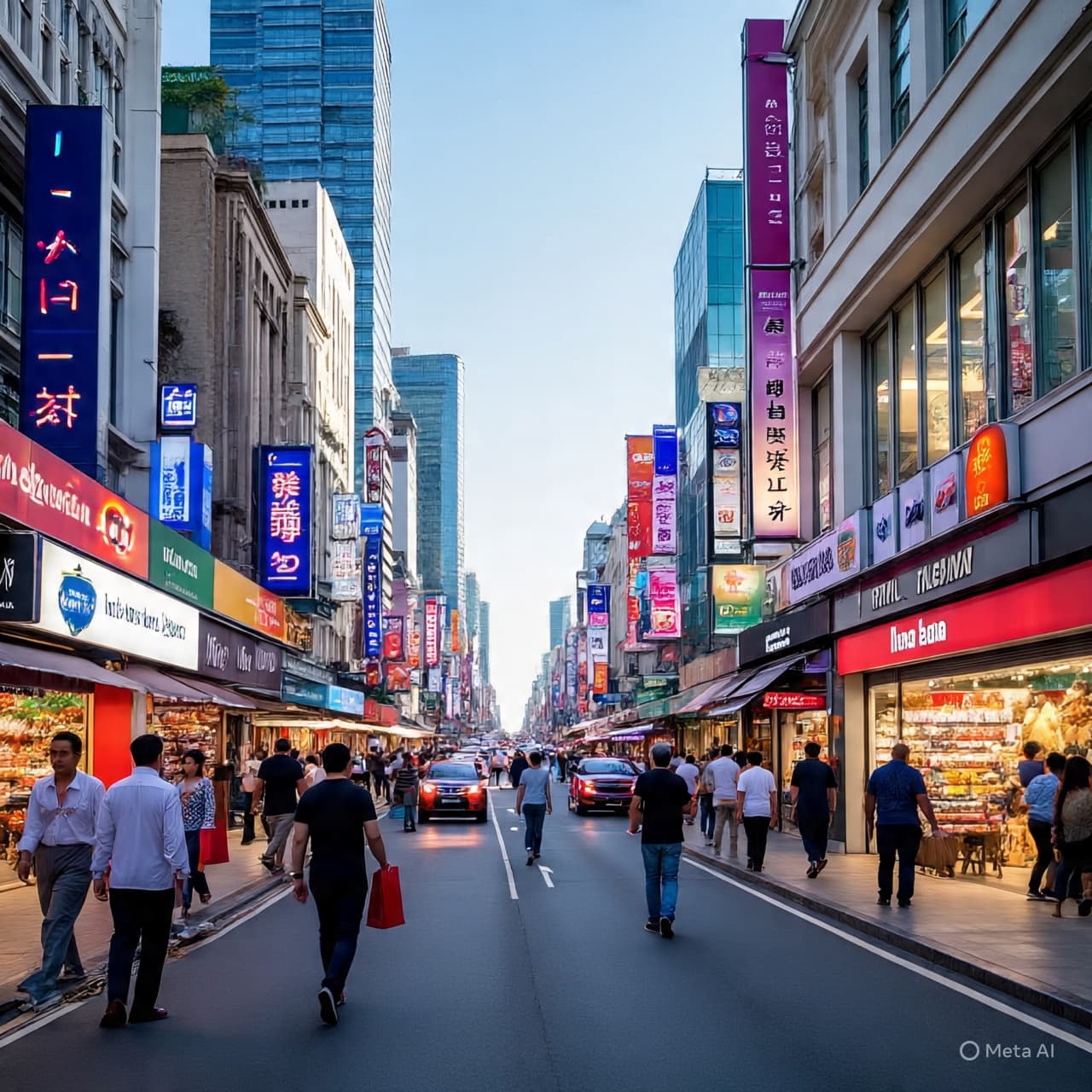
Shop owners in central districts have adjusted pricing to reflect higher rental costs and stronger demand. Cafés once frequented by neighborhood regulars now cater to weekend crowds arriving from across the Causeway. Boutique retailers stock imported brands, while menus and storefronts increasingly reflect an audience comfortable with Singapore-level spending.
The economic logic is clear. When consumer demand rises and purchasing power increases, prices tend to follow. Yet economics does not exist in isolation from lived experience. For residents whose incomes remain tied to local wage levels, even moderate price adjustments can feel abrupt. Some report choosing suburban malls or neighborhood markets over downtown establishments that once formed part of their routine.
Urban economists suggest that Johor Bahru’s experience is not unique. Border cities around the world often encounter pricing distortions when currency differentials create asymmetric demand. In such environments, businesses must balance accessibility for locals with profitability driven by external consumers. The equilibrium is delicate and rarely permanent.
Property dynamics add another layer. As commercial rents climb in high-traffic areas, tenants may pass on costs to customers. New developments aimed at lifestyle and tourism markets can accelerate this shift. Downtown, once a shared civic space, becomes a hybrid — part local center, part regional attraction.
Still, some business owners argue that the narrative of exclusion may be overstated. They point to increased employment, broader product variety, and revitalized streetscapes as benefits of cross-border activity. For them, the presence of Singaporean shoppers signals economic vitality rather than erosion.
Residents, meanwhile, express more nuanced feelings. There is pride in the city’s growing appeal, but also a quiet hope that inclusivity remains intact. The question is not whether Johor Bahru should attract visitors, but how growth can be managed so that long-time locals continue to feel at home in their own downtown.
In recent coverage by and , local authorities have acknowledged the balancing act inherent in urban development. While no sweeping regulatory changes have been announced, officials have emphasized monitoring affordability and sustaining diverse commercial offerings.
For now, the transformation continues gradually rather than dramatically. Shoppers adjust habits, businesses test price points, and the Causeway remains busy. The story unfolding in Johor Bahru is not one of sudden rupture, but of incremental change — shaped by currency, connectivity, and commerce.
In simple terms, rising cross-border demand has coincided with higher downtown prices, prompting some Johor Bahru residents to look elsewhere for daily spending. Authorities and businesses continue to navigate the balance between growth and accessibility.
Cities, like markets, evolve. The measure of success may lie not only in prosperity, but in preserving the sense that prosperity belongs to those who call the city home.
AI Image Disclaimer Illustrations were produced with AI and serve as conceptual depictions.
Sources: The Straits Times Channel NewsAsia The Star Free Malaysia Today Bloomberg
Published by Banx Network. This article is part of the Banx decentralized media programme, powered by the BXE token on the XRP Ledger.