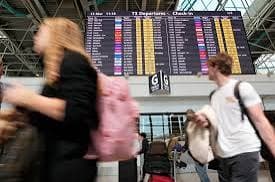
There are moments in public life that feel like standing on a wide beach at sunset — a horizon once clear grows dense with the slow drift of distant clouds. In tides of policy and proclamation, the silhouette of human movement can be cast against the shifting light of concern and caution. In mid-December 2025, that horizon shifted again, as the United States announced a widening circle of travel restrictions that will affect citizens of 39 countries, as well as holders of documents issued by the Palestinian Authority.
At its core, travel is an expression of connection — people crossing oceans and deserts, bridges and borders, often in search of family, opportunity, or simply a new morning under another sky. Yet policy — a compass shaped by governments — sometimes redirects these journeys. The Trump administration’s latest proclamation expands an existing set of travel bans and limits to encompass 20 additional countries. Five nations — including Burkina Faso, Mali, Niger, South Sudan and Syria — now face full bans on travel to the United States, while 15 others will see new limitations on visas and entry. Citizens with existing visas, U.S. lawful permanent residents, diplomats, and athletes remain exempt, a small window left within the broader framework.
The administration cites a mix of national security concerns, challenges in vetting documentation, high visa overstays, and weak cooperation on deportations as the reasons behind the updated measures. These are not unfamiliar justifications in the rhythmic cadence of immigration policy debates; they carry with them echoes of past directives, referencing how the integrity of borders and the flow of people are intertwined with perceptions of risk and responsibility.
But beyond policy language and official rationales, the effect resonates in human stories — families who had hoped to reunite, students awaiting placement letters, and entrepreneurs envisioning a chance to build bridges rather than walls. Representatives from affected nations have voiced concern and are seeking clarifications, while critics argue the policy risks broad-brush exclusions that may overshadow individual circumstance.
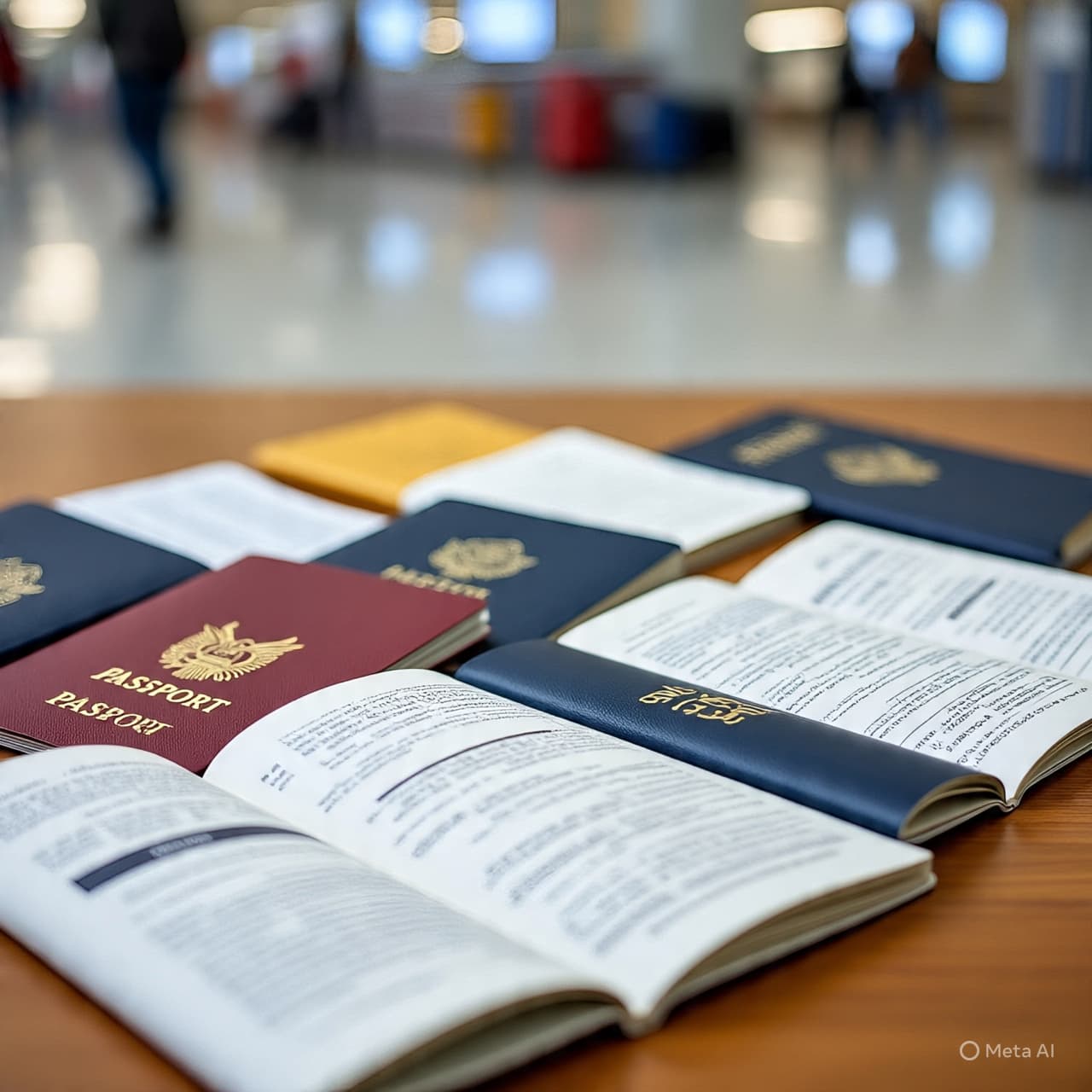
In the quiet currents beneath the headlines lie questions of identity and belonging. What does it mean when passports, once symbols of possibility, become markers of restriction? For some, this proclamation reopens familiar debates about the balance between security and openness; for others, it crystallizes long-standing anxieties about an increasingly divided world stage.
As travelers and governments absorb the implications of this expanded travel ban, the tides of movement both hopeful and hesitant shift again. Policy, like water shaped by unseen winds, changes form, yet always meets the shore.
Closing (gentle straight news)
On December 16, 2025, the Trump administration announced a formal expansion of U.S. travel bans and restrictions to cover an additional 20 countries. The changes are scheduled to take effect January 1, 2026, and apply to both short-term visitors and prospective immigrants from the affected nations. Officials stated the decision was rooted in concerns about documentation integrity, security vetting, and cooperation with U.S. law enforcement. Exemptions will remain for certain categories, including currently valid visa holders and permanent residents.
AI Image Disclaimer (Reworded)
*Visuals are created with AI tools and are not real photographs.*
Credible sources confirming this news:
AP News (Associated Press)
Published by Banx Network. This article is part of the Banx decentralized media programme, powered by the BXE token on the XRP Ledger.