In the quiet of a winter morning, as dawn’s gentle light crept across Pristina’s streets, citizens of Kosovo lined up at polling stations once more stepping into the long shadow of a year marked by political indecision and institutional pause. Like seasons circling back to start again, Kosovo’s electorate found themselves returning to the ballot box, not in celebration but out of necessity a collective breath held in hope that this time the voice of the voter might break the silence of a stalled state.
On December 28, Kosovo held its second parliamentary election of 2025, a rare and sobering reflection of democratic perseverance. After February’s vote failed to deliver a clear parliamentary majority, efforts to form a governing coalition faltered through months of negotiation and procedural deadlock. The country’s Vetevendosje (Self-Determination) party, led by Prime Minister Albin Kurti, emerged again as a central figure seeking the majority needed to end a stalemate that has left the legislature unable to function fully.
This political limbo saw Kosovo’s Assembly unable to make foundational decisions, paralyzing key functions from budget approval to the ratification of vital international funding. Without a fully formed government, crucial EU and World Bank support totalled in the hundreds of millions of euros remained frozen, a financial lifeline suspended in uncertainty.
For ordinary Kosovars, the impact of this uncertainty has seeped into daily life. Some voters expressed resignation, observing that a win for any side might feel much like the last a reflection of deep divisions and an appetite for meaningful change that has yet to be satisfied. Others hoped that this vote might finally deliver the stability needed to confront persistent economic pressures and broader reforms that lie waiting outside the halls of an inactive Assembly.
Political tensions extend beyond party lines. Kosovo’s relations with Western partners have at times been strained, and entrenched divisions over domestic priorities and regional engagement have added layers of complexity to coalition prospects. Meanwhile, the absence of opinion polling amplified uncertainty, leaving outcomes unpredictable even as ballots were cast and ballot boxes filled.
Through it all, the rhythm of daily life continued children walked to school, markets buzzed with commerce, and families gathered around hearths while the nation held its collective breath. Each vote, cast with hopes and hesitations intertwined, was a small testament to civic resolve in a land where history’s weight still shapes the promise of tomorrow.
As ballots close and counting begins, Kosovo’s journey remains both ongoing and unfinished a reminder that democracy is not only measured by outcomes, but by the enduring courage to return to the process itself.
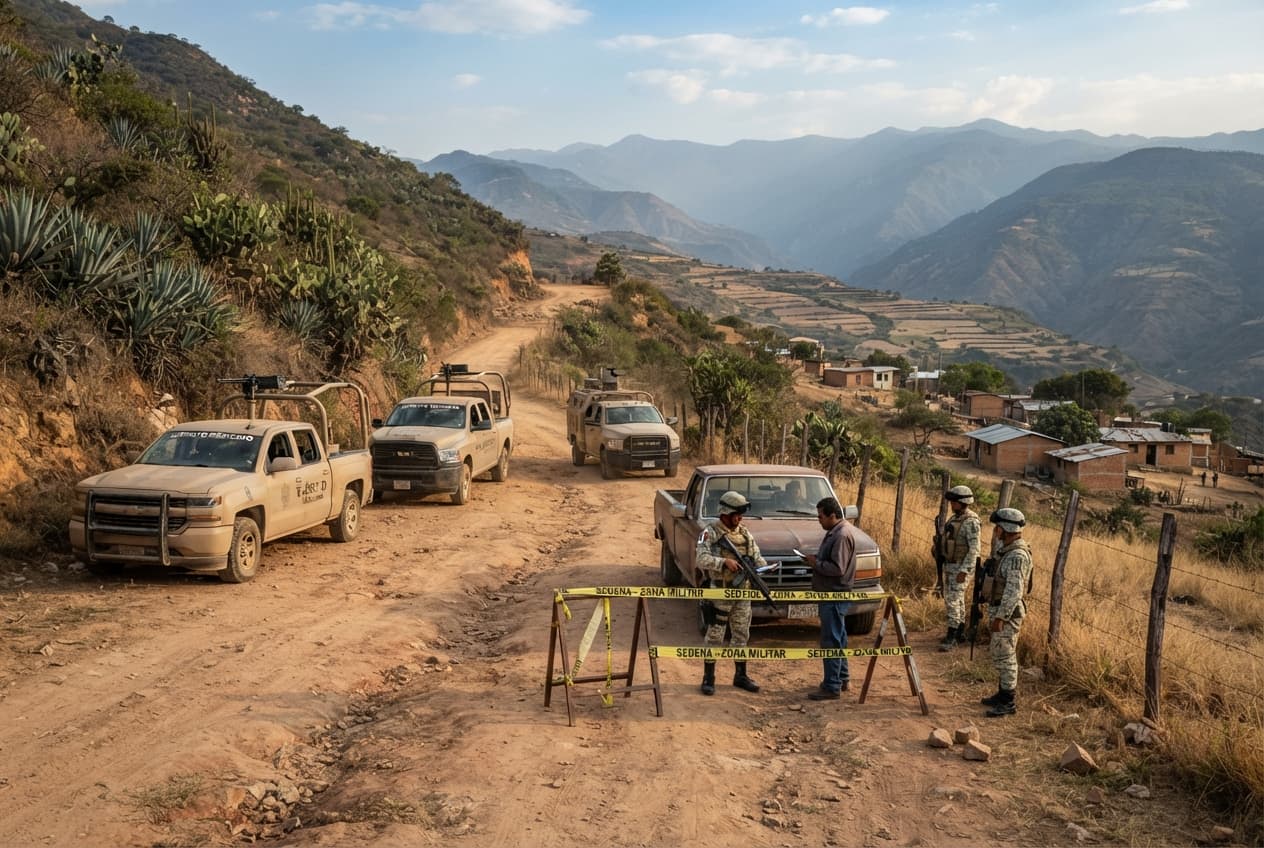
AI Image Disclaimer (rotated wording) “Visuals are created with AI tools and are not real photographs.”
Sources (media names only):
Reuters Associated Press (AP News) Al Jazeera RFE/RL (Radio Free Europe/Radio Liberty) Balkan Insight
Published by Banx Network. This article is part of the Banx decentralized media programme, powered by the BXE token on the XRP Ledger.