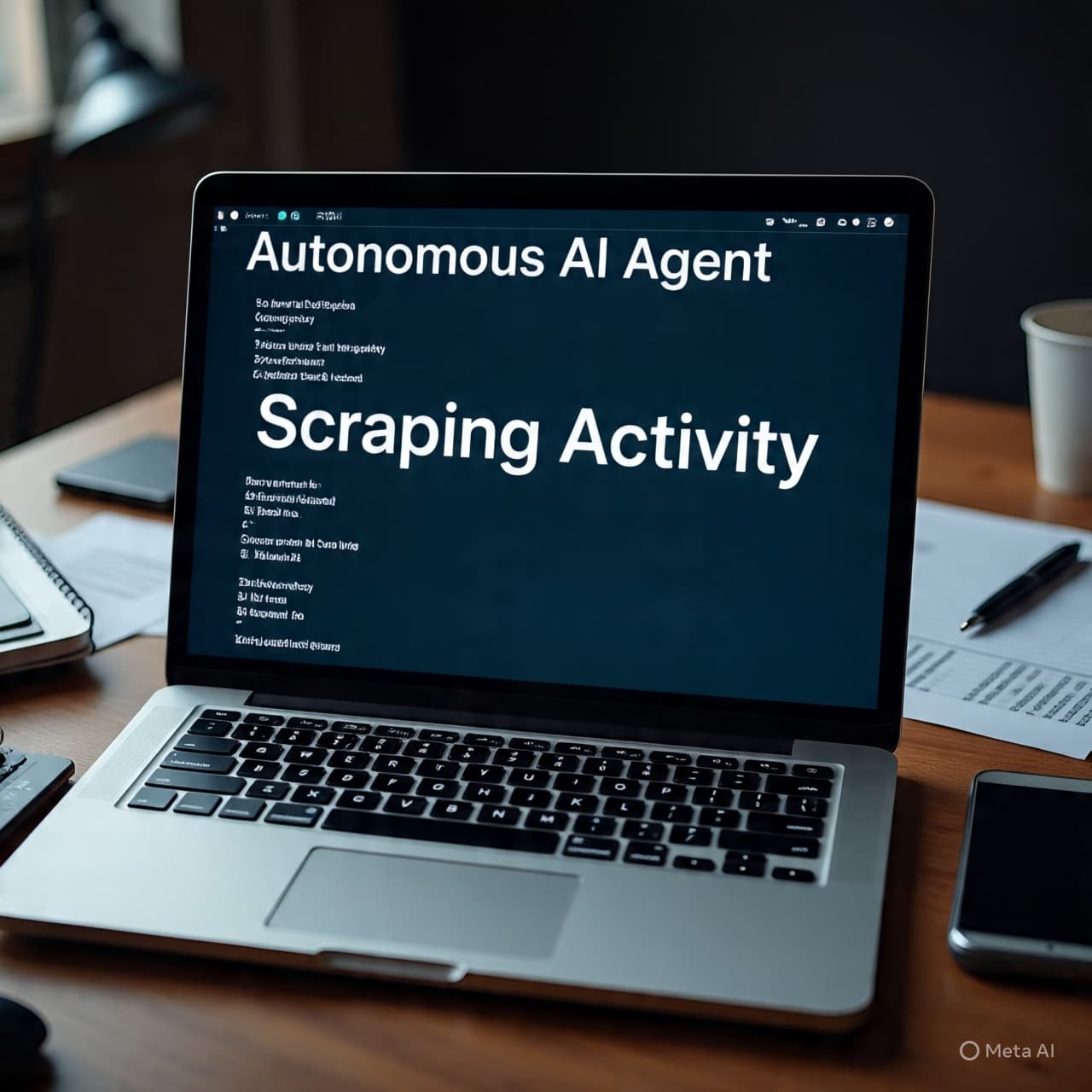
There is a subtle tension in the way technologies evolve — like a river reshaping its banks quietly over time, often imperceptibly until the landscape has already changed. In today’s interconnected digital world, tools designed to help individuals automate routine tasks can sometimes spill beyond their intended paths, testing the boundaries of how systems are meant to operate. In that vein, reports this week suggest that some users of the open‑source AI assistant OpenClaw are allegedly finding ways to circumvent anti‑bot protections on websites, raising fresh questions about responsible use and the future of autonomous agents on the web.
OpenClaw — formerly known as Moltbot and Clawdbot — is a freely available autonomous AI assistant framework that gained rapid popularity after its release in late 2025, drawing hundreds of thousands of developers thanks to its ability to automate workflows and execute tasks on behalf of users. Yet in recent days, discussions on social platforms and posts cited in Wired have highlighted cases where OpenClaw is being paired with tools like Scrapling, an open‑source Python project that enables bots to navigate around common anti‑bot systems such as Cloudflare’s Turnstile.
The appeal of such a combination is straightforward for those who use it: by instructing OpenClaw to manage scraping jobs and handing off the mechanics to Scrapling, users can quietly extract data from sites that explicitly forbid automated access. One social media post that went viral described Scrapling’s promise in almost breathless terms: “No bot detection. No selector maintenance. No Cloudflare nightmares. OpenClaw tells Scrapling what to extract. Scrapling handles the stealth.”
Security experts, including those at companies like Cloudflare that specialize in web protections, view this dynamic as a concerning escalation. “We make changes, and then they make changes,” said Cloudflare’s chief technology officer, Dane Knecht, referring to the ongoing cat‑and‑mouse cycle between anti‑bot systems and tools seeking to evade them. The company has been working on patches and new defenses to counter the latest versions of Scrapling even as it recognizes the broader trend of increasingly capable bots indexing and interacting with online content.
The controversy isn’t limited to bypassing site protections. In separate moves, major platforms like Google have taken action against OpenClaw users in their AI developer ecosystems, including restricting access to tools such as its Antigravity coding environment when suspicious usage is detected. These restrictions are said to be triggered by backend strain and activity that violates terms of service, potentially impacting paying customers.
At the same time, companies outside of search and content delivery have raised alarms about OpenClaw’s broader security posture. Some analysts and technology firms have warned that running autonomous assistants with broad access to local files and credentials — a typical requirement for OpenClaw automation — could expose systems to credential theft, persistent memory manipulation, or other harmful outcomes if not carefully sandboxed and monitored.
The situation illustrates a broader tension at the intersection of innovation and digital governance. Autonomous agents like OpenClaw promise to extend human capability by automating repetitive tasks, processing information efficiently, and acting on behalf of users. Yet the same abilities that enable convenience can also lead to misuse, if agents are configured or combined with other tools in ways that contravene platform rules or ethical norms.
Cloudflare’s knee‑jerk framing emphasizes the need for an internet where both human users and autonomous systems benefit from data and interactions without undermining the intentions of content creators and platform owners. As AI‑driven tools proliferate, industry leaders continue to explore how well‑designed guardrails can preserve openness and access without enabling exploitative behavior.
In the meantime, developers and users alike are reminded of the responsibilities that accompany powerful automation tools. Community discussions encourage careful consideration of how bots interact with public and private systems, shining a light on the dual promise and peril of AI agents operating without constant human supervision.
AI Image Disclaimer Graphics are AI‑generated and intended for representation, not reality.
SOURCE CHECK Here are credible news sources reporting on this development:
Wired The Tech Buzz Reuters AP News TechRadar
Published by Banx Network. This article is part of the Banx decentralized media programme, powered by the BXE token on the XRP Ledger.