History often turns not on thunderclaps but on accumulations — moments when pressure gathers quietly, then announces itself through measured acts rather than raised voices. In Europe’s corridors of diplomacy, such moments arrive not with spectacle, but with signatures, statements, and lists that carry weight beyond their pages. This week, one such list emerged, shaped by distant streets and the muted persistence of protest.
The European Union has imposed sanctions on 15 Iranian officials, including senior commanders of Iran’s Islamic Revolutionary Guard Corps, in response to what it described as a violent crackdown on protesters. The measures include travel bans and asset freezes, aimed at individuals accused of playing direct roles in suppressing demonstrations that swept parts of Iran over recent months. EU officials framed the decision as a response rooted in accountability, rather than escalation, emphasizing human rights concerns rather than broader geopolitical tensions.
Among those sanctioned are figures linked to Iran’s security apparatus, including leaders within the Revolutionary Guard and officials tied to law enforcement and judicial actions during the protests. According to European officials, the individuals targeted were involved in directing or overseeing responses that resulted in deaths, mass arrests, and restrictions on public expression. The sanctions follow earlier rounds of EU measures against Iranian officials since protests reignited, marking a continued, incremental tightening rather than a dramatic policy shift.
The protests themselves were born of long-standing grievances, sparked by economic strain, political restrictions, and public anger over governance. While demonstrations have fluctuated in scale, their persistence has drawn international attention, prompting Western governments to weigh how — and whether — to respond. For the EU, the latest sanctions reflect an effort to signal disapproval without closing diplomatic channels entirely, particularly as Europe continues to balance concerns over regional stability, nuclear negotiations, and energy security.
Iran’s government has rejected the sanctions, describing them as politically motivated and dismissing accusations of excessive force. Officials in Tehran have repeatedly stated that protests were fueled by foreign interference and framed security responses as necessary to maintain order. The sanctions, Iranian leaders argue, amount to external pressure that ignores domestic realities and legal frameworks.
Within Europe, the decision has been presented as a reaffirmation of principles rather than a departure from caution. EU diplomats stressed that the measures are targeted, not punitive toward the Iranian population, and remain reversible should conditions change. The bloc has left space for dialogue even as it underscores what it calls clear violations of fundamental rights.
As the list of sanctioned names circulates, its immediate impact may be limited, but its symbolism is harder to dismiss. It signals that Europe continues to watch events inside Iran closely, measuring its responses carefully, one decision at a time.
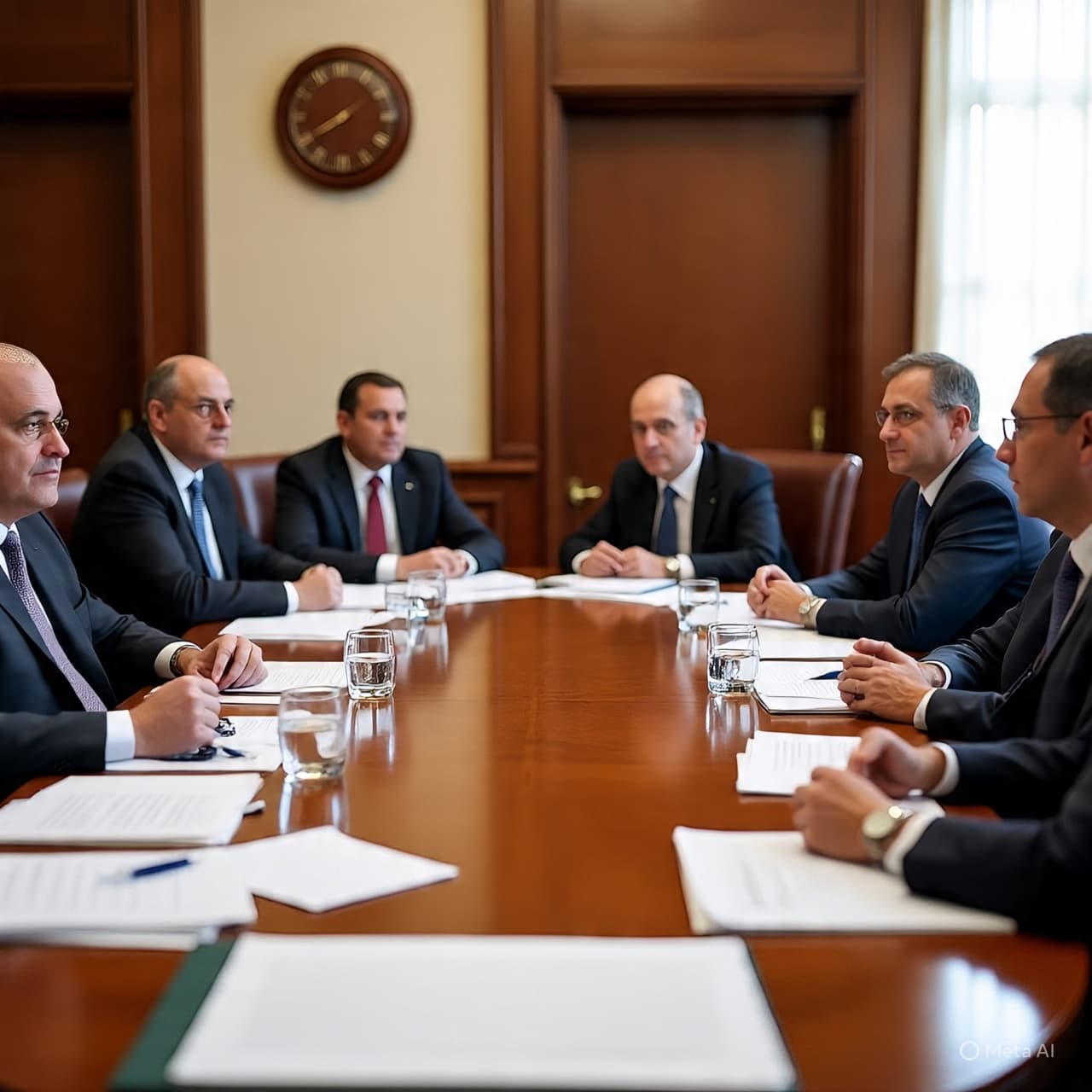
AI Image Disclaimer Graphics are AI-generated and intended for representation, not reality.
SOURCE CHECK — Credible Mainstream / Niche Media Reuters Associated Press (AP) BBC News Al Jazeera The Guardian
Published by Banx Network. This article is part of the Banx decentralized media programme, powered by the BXE token on the XRP Ledger.