

Key Highlights
- Residents in Jakarta express greater fear of local strongmen than police.
- Informal enforcers, known as 'preman,' dominate certain neighborhoods.
- Community efforts are underway to rebuild trust in law enforcement.
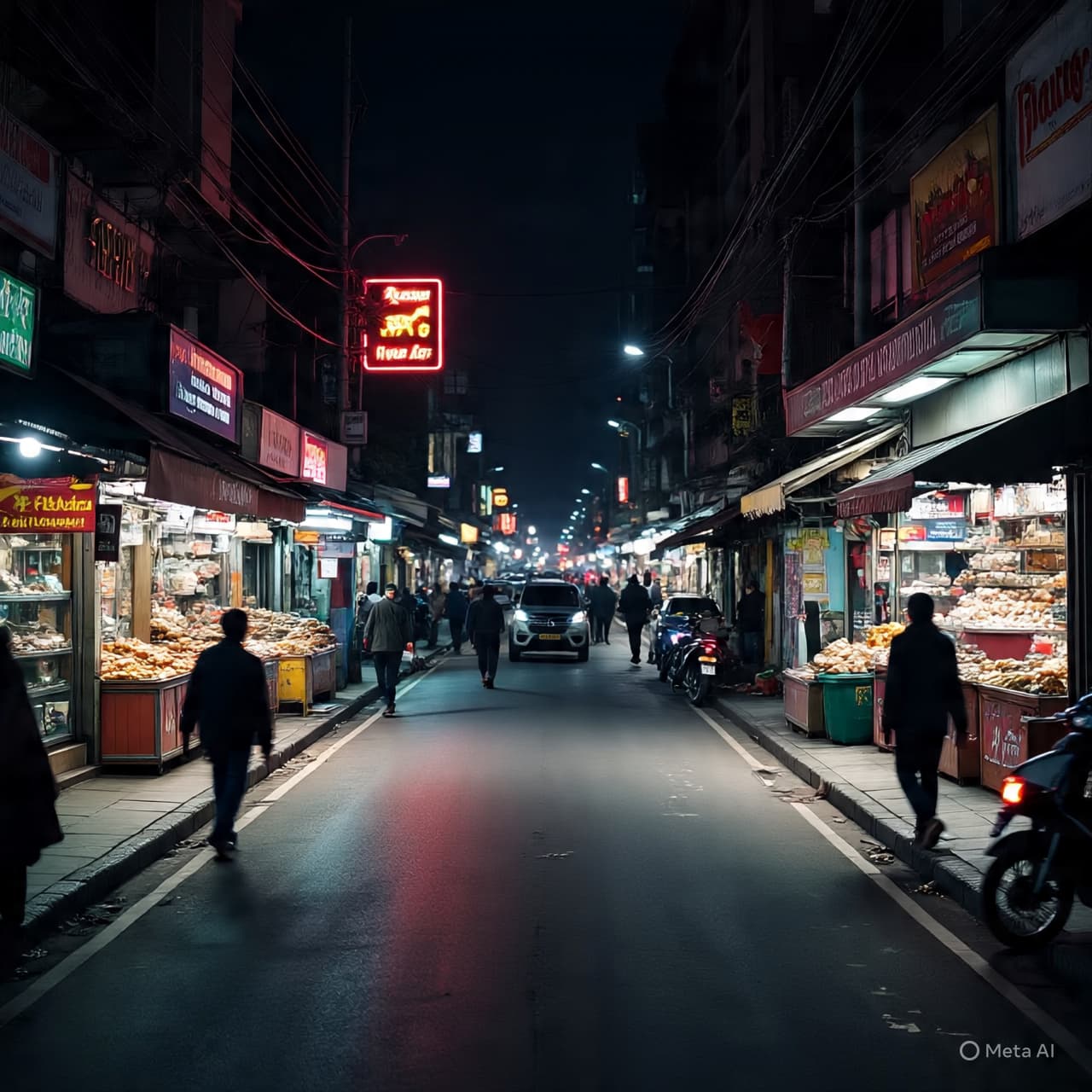
The bustling city of Jakarta, known for its vibrant culture and economic potential, is also a place where the shadows of informal authority loom large. In many neighborhoods, the silence that often accompanies daily life is not one of peace but rather a reflection of fear and uncertainty. Residents find themselves navigating a complex landscape where the presence of local strongmen, or 'preman,' often feels more immediate and threatening than that of formal law enforcement.
Recent reports highlight a troubling trend: many Jakarta residents express a greater fear of these informal enforcers than of the police. The 'preman' operate outside the law, exerting control over various aspects of daily life, from parking spaces to local markets. Their authority, while unofficial, is reinforced by their constant visibility and proximity to the community, creating an environment where residents feel they have little choice but to comply with their demands.
Interviews conducted by local media reveal a pervasive sentiment among residents: reporting incidents to the police is often viewed as impractical or even futile. This perception, whether based on personal experiences or broader societal assumptions, contributes to a cycle where informal power structures remain unchallenged. The fear of retaliation or lack of faith in police effectiveness leads many to avoid engaging with formal law enforcement altogether.
In response to these challenges, law enforcement agencies in Jakarta have publicly acknowledged the issue, emphasizing their commitment to dismantling illegal groups and enhancing community policing efforts. Operations targeting extortion and illegal levies have been conducted periodically, yet the long-term effectiveness of these initiatives remains to be seen. The struggle to regain public trust is ongoing, as many residents remain skeptical of the police's ability to protect them from informal enforcers.
Urban sociologists note that the dynamics observed in Jakarta are not unique to the city. In rapidly expanding urban areas worldwide, gaps between formal governance and grassroots realities can create opportunities for informal authorities to emerge. These actors often fill voids left by inadequate law enforcement, albeit through methods that operate outside legal frameworks. The challenge lies in addressing these informal power structures while simultaneously restoring public confidence in formal systems.
Community leaders have begun to play a crucial role in navigating this complex landscape. In some neighborhoods, collaborative efforts between residents, local officials, and police have led to a reduction in reliance on informal enforcers. However, building sustained trust among these stakeholders is a gradual process that requires ongoing engagement and transparency.
The broader implications of this situation extend beyond immediate safety concerns. When citizens feel uncertain about the effectiveness of formal systems, alternative structures—however flawed—can gain traction. Rebuilding that confidence involves not only enforcement but also a consistent presence and engagement from law enforcement agencies.
As Jakarta continues to evolve, the challenge remains not only in addressing visible issues but also in reshaping perceptions of authority and safety. The city's future may depend as much on restoring trust in law enforcement as it does on enforcing the law itself. The interplay between fear and authority will shape the urban landscape for years to come, making it imperative for all stakeholders to work collaboratively toward a safer and more equitable community.
Published by Banx Network. This article is part of the Banx decentralized media programme, powered by the BXE token on the XRP Ledger.




