On October 23, 2026, South Korea’s Ministry of Health and Welfare announced the Seoul Declaration on AI in Healthcare, developed jointly with the World Health Organization. The announcement followed the 2026 World Bio Summit, held in Seoul on October 21 and 22.
The summit focused on advancing biohealth innovation through artificial intelligence and exploring ways to realize AI-based primary healthcare. Primary care is often the first point of contact between people and a health system, making accessibility, continuity, and timely information especially important.
AI tools could support healthcare professionals in several ways. Depending on how they are designed and validated, they may help summarize medical records, identify patterns in clinical information, assist with administrative work, or provide decision-support information. Such uses could give medical staff more time to focus on direct patient care.
However, healthcare is not a setting where speed alone determines success. Systems must be assessed for accuracy, privacy, safety, and performance across different patient populations. A tool that performs well in one hospital or language may not automatically work equally well elsewhere.
The declaration also places the discussion within a broader international context. Countries are exploring how digital health technologies can be introduced while maintaining professional accountability and public trust. Cooperation between governments, healthcare institutions, researchers, and international organizations can help identify shared principles and practical challenges.
For South Korea, the summit reflects an effort to connect its technology capabilities with healthcare innovation. The country has an established technology sector and a developed medical system, but translating AI research into everyday clinical practice requires more than technical achievement. It also requires clear rules, suitable infrastructure, staff training, and evidence that the tools improve care.
The WHO’s involvement gives the initiative an international dimension, although a declaration should not be confused with proof that a particular AI system is already delivering better outcomes. The announcement itself does not establish that all participating health systems have adopted AI-based primary care or that the proposed approach has been fully implemented.
The next stage for healthcare AI will be measured through practical results: whether systems help clinicians work more effectively, whether patients can access appropriate care, and whether safeguards remain strong as technologies evolve. South Korea’s declaration provides a framework for discussion, while implementation and evaluation will determine its lasting value.
### Image Disclaimer
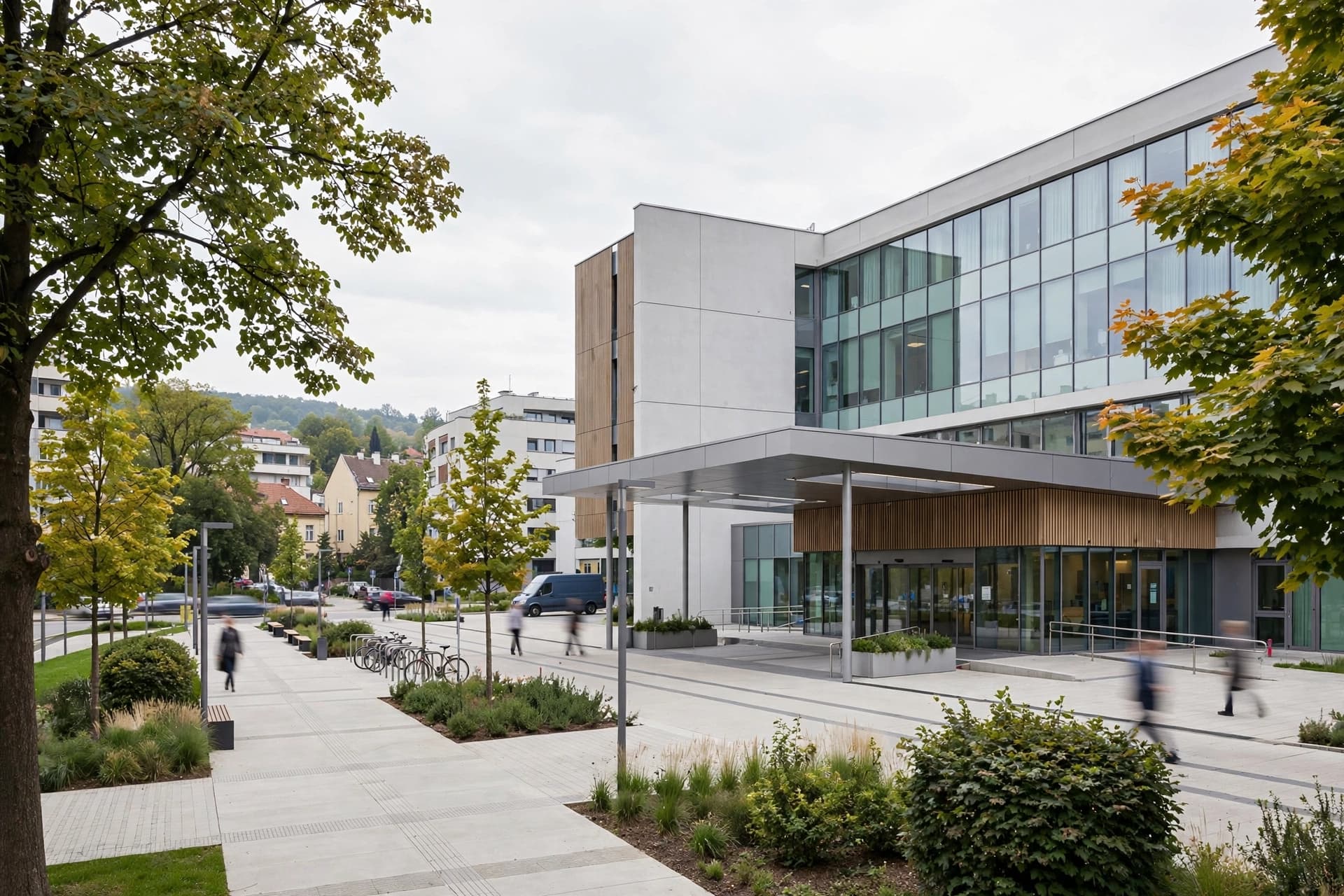
The illustrations are conceptual representations of AI-supported healthcare and international medical collaboration. They do not depict an officially deployed system or imply that AI can replace qualified healthcare professionals.
### Sources
• South Korea Ministry of Health and Welfare
• World Health Organization
• 2026 World Bio Summit
Published by Banx Network. This article is part of the Banx decentralized media programme, powered by the BXE token on the XRP Ledger.