

Key Highlights
- AI tools are reshaping beauty standards in advertising.
- Concerns arise over authenticity and representation in media.
- Regulators are examining disclosure practices for AI-modified imagery.
In the expanding world of artificial intelligence, the boundary between enhancement and alteration has become increasingly delicate. Images once captured by cameras can now be reshaped in ways that raise important questions about representation and authenticity. As AI technology continues to advance, its implications for beauty standards and advertising practices are coming under scrutiny.
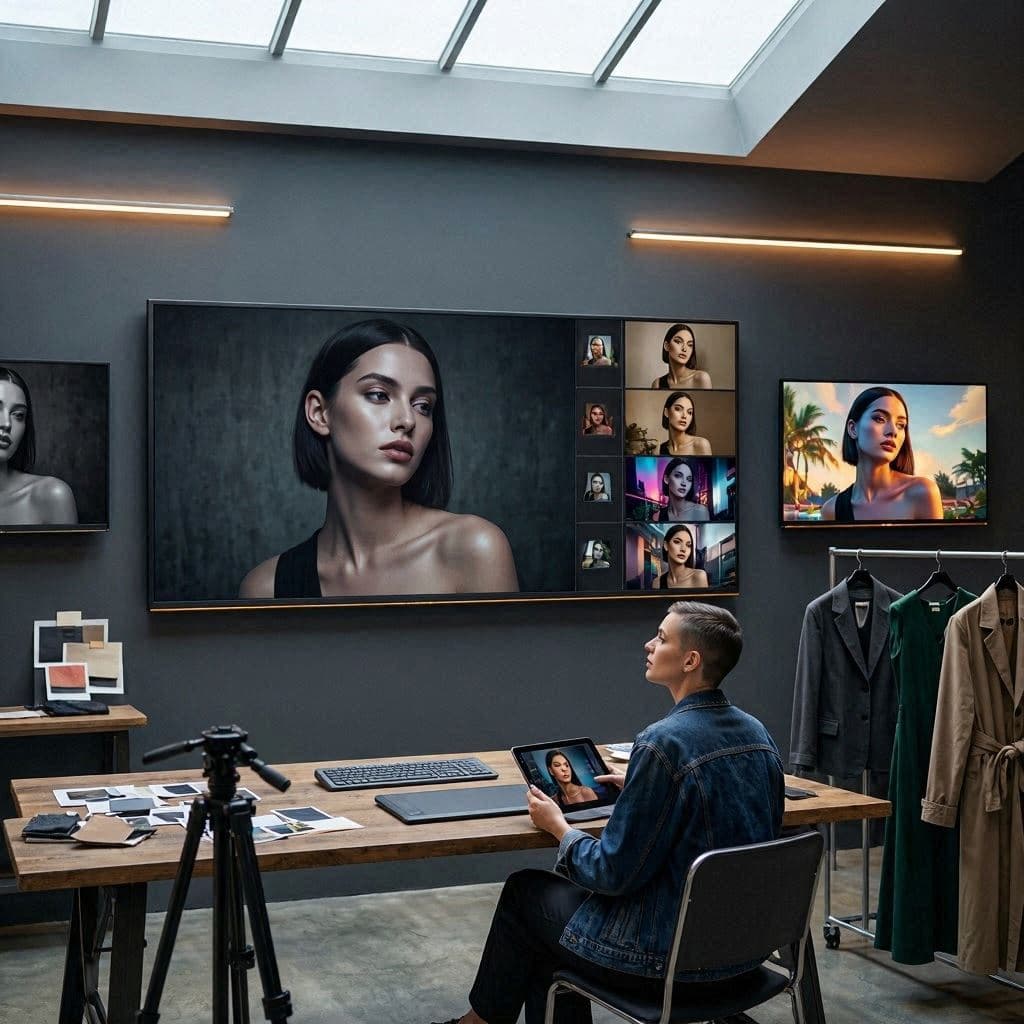
Recent allegations in Australia have sparked significant discussion within the fashion and advertising industries regarding the use of AI tools to modify model appearances in promotional content. Concerns center around whether certain digital edits may unintentionally alter skin tones or features, leading to a distorted representation of beauty. This has prompted calls for greater transparency in how AI is utilized in the creative process.
Industry observers note that AI-driven editing tools are now widely used for efficiency, allowing rapid adjustments in lighting, background, and facial refinement. However, the line between enhancement and significant alteration can sometimes become unclear. While these tools can enhance visual appeal, they may also contribute to unrealistic beauty standards that affect public perception.
Models and advocacy groups have raised questions about transparency in how such tools are applied. They emphasize the importance of maintaining accurate representation in media and advertising, arguing that consumers deserve to know when images have been digitally altered. This sentiment is echoed by various stakeholders who believe that the integrity of visual media is at stake.
Brands, on the other hand, argue that AI tools are often used to maintain consistency across campaigns rather than to fundamentally change identity. They also highlight the need for clear guidelines in digital editing practices to ensure that enhancements do not mislead audiences. This ongoing debate underscores the tension between creative expression and ethical responsibility in advertising.
Regulators and industry bodies in several countries are beginning to examine how AI-generated or AI-modified imagery should be disclosed to audiences. This reflects a broader global conversation about digital ethics and the responsibilities of brands in the age of AI. As these discussions evolve, they may lead to new standards and practices that prioritize transparency and authenticity.
Experts in media studies suggest that the issue is not solely technological but also cultural, touching on long-standing debates about beauty standards and representation in advertising. The intersection of technology and culture raises critical questions about how society defines beauty and the role of media in shaping those definitions.
As AI continues to evolve, discussions around transparency and authenticity in visual media are likely to become more central to both creative industries and public discourse. The implications of these conversations extend beyond advertising, influencing how individuals perceive themselves and others in a digitally mediated world.
AI Image Disclaimer: Some illustrative visuals in this article may be AI-generated for editorial purposes.
Published by Banx Network. This article is part of the Banx decentralized media programme, powered by the BXE token on the XRP Ledger.




