
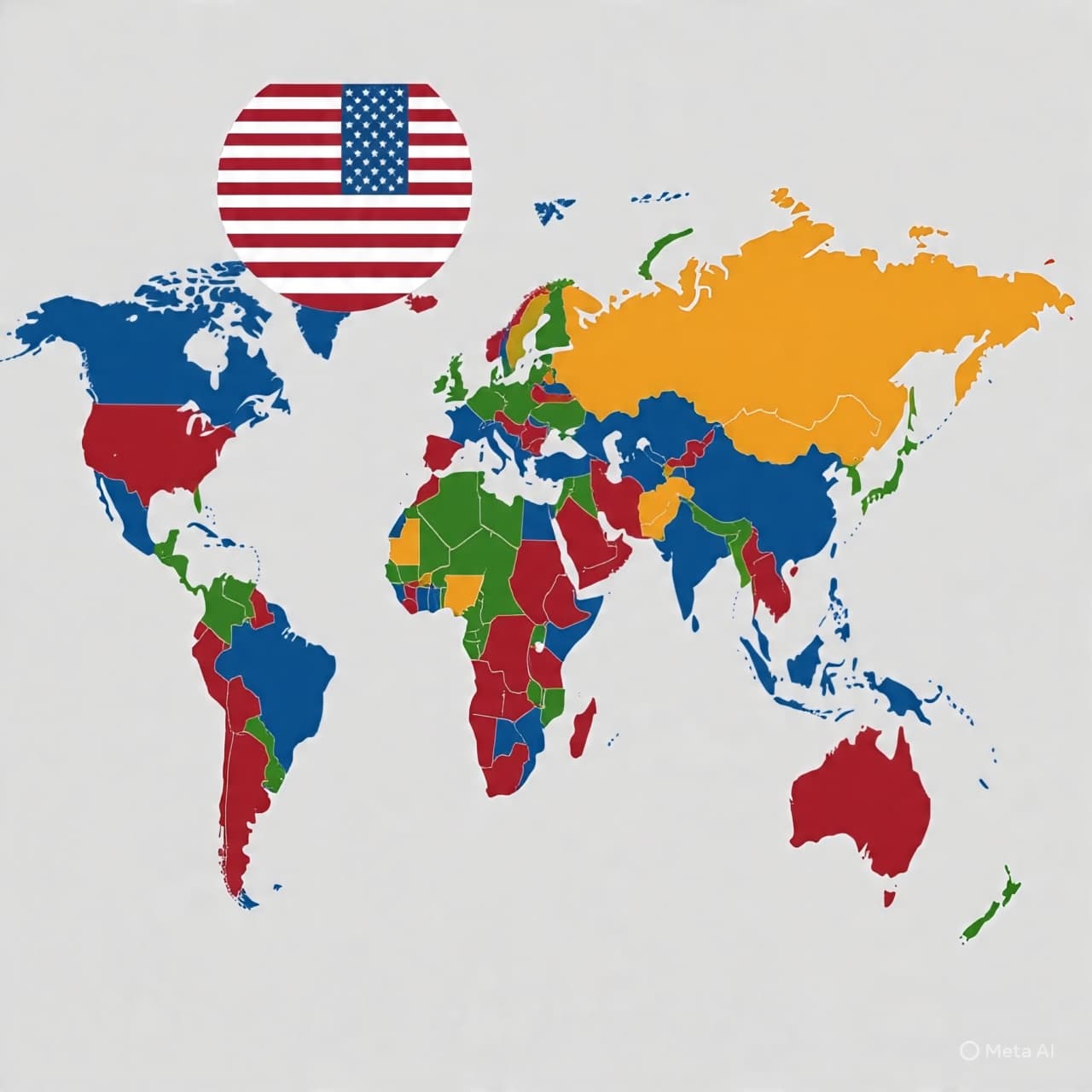
There are moments in history when strength is not measured by what remains, but by what has been spent. In the long shadow cast by the Middle East conflict, the United States now finds itself in such a moment, taking stock not only of its commitments, but of the quiet depletion behind them.
The war, marked by sustained military support and strategic deployments, has significantly drawn down U.S. weapons stockpiles. Precision-guided munitions, air defense systems, and artillery reserves have been used at a pace that exceeds peacetime production capacity. While the battlefield may be distant, the logistical strain is deeply domestic.
Rebuilding these stockpiles is not a simple matter of turning on factory lines. The modern defense supply chain is global, intricate, and often dependent on materials and components sourced far beyond national borders. Rare earth elements, critical for advanced weaponry, are one such dependency, and here the role of China becomes unavoidable.
China dominates the global processing of rare earth minerals, essential for electronics, missile systems, and advanced defense technologies. This reality introduces a quiet paradox: strategic competition on one hand, and practical dependence on the other. Even as geopolitical tensions persist, supply chains continue to weave connections that politics alone cannot easily sever.
Officials and analysts have pointed out that rebuilding U.S. defense capacity may require at least indirect cooperation with Chinese-linked supply networks. While alternatives are being explored, such as domestic mining and partnerships with allied nations, these efforts will take years to mature into viable replacements.
At the same time, the urgency of replenishment cannot be overstated. Military planners are increasingly concerned about readiness levels, especially in a world where multiple conflicts or crises could arise simultaneously. The balance between immediate needs and long-term independence is becoming a defining strategic challenge.
There is also an economic dimension. Expanding domestic production requires significant investment, regulatory adjustments, and workforce development. Meanwhile, global markets continue to influence pricing and availability, making isolation from international systems both difficult and costly.
In quieter policy discussions, the tone is less about confrontation and more about calibration. How much reliance is acceptable? Where should resilience be prioritized? And how can cooperation exist without compromising security? These are questions without easy answers.
The path forward may not lie in choosing between competition and cooperation, but in carefully managing both. As the United States begins the process of rebuilding, it does so with a clearer understanding of the interconnected world it operates within.
AI Image Disclaimer: Images in this article are AI-generated illustrations, meant for concept only.
Source Check Reuters The New York Times Financial Times Bloomberg Defense News
Published by Banx Network. This article is part of the Banx decentralized media programme, powered by the BXE token on the XRP Ledger.


