Across the wide spaces between desert and sea, geopolitical messages rarely arrive as declarations. More often, they travel quietly — in the movement of ships, the pause between statements, the deliberate presence of force held just far enough away. In recent days, that language has surfaced again in the uneasy exchange between the United States and Iran, shaped less by speeches than by posture.
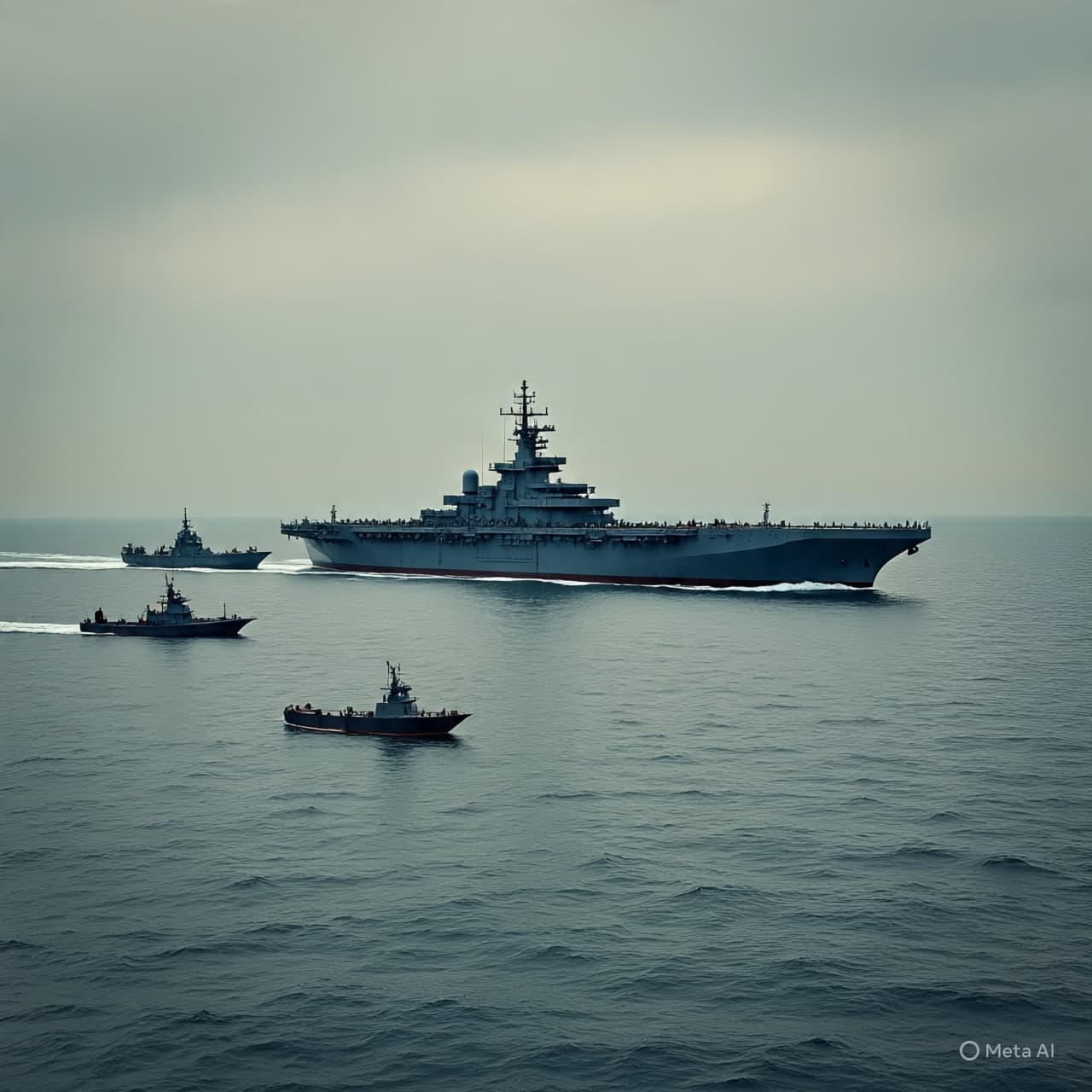
American naval forces have begun shifting toward the Middle East, their movement framed as precaution rather than provocation. A carrier strike group and accompanying assets signal readiness without naming a destination for conflict. The deployment comes at a moment of accumulated strain: unresolved diplomacy, regional instability, and warnings from Tehran that any direct strike on Iranian territory would be met as an act of war. Deterrence, once again, is being written across open water.
Iran’s response has been measured but firm. Senior officials have reiterated that their country views military threats not as abstractions, but as challenges to sovereignty that demand clear answers. The language is familiar, honed over decades of standoff and sanction, reflecting a state accustomed to signaling resilience even while navigating pressure. In this exchange, neither side appears eager for escalation — yet neither is willing to appear unprepared.
The idea of “sending another deterrence message” suggests a belief that previous signals may have faded, or that circumstances have shifted enough to require reinforcement. For Washington, reinforcing military presence serves several purposes at once: it reassures regional allies, underlines operational reach, and draws an invisible boundary around actions deemed unacceptable. Deterrence, in this sense, becomes an act of reassurance as much as warning.
For Tehran, such movements revive long memories. Foreign fleets near its waters are not viewed as neutral symbols, but as reminders of historical intrusion and strategic vulnerability. Iranian officials frame their warnings as defensive, rooted in a desire to prevent miscalculation rather than invite confrontation. Yet deterrence relies not only on intent, but on how intent is perceived — and perception is where tension often settles.
What unfolds between these two distant capitals is less a countdown than a balancing act. Each side seeks to communicate resolve without triggering the very conflict it claims to avoid. Ships move, statements echo, and silence fills the spaces between actions. In that quiet, deterrence does its work — imperfectly, cautiously — holding peace in place not through trust, but through mutual awareness of consequence.
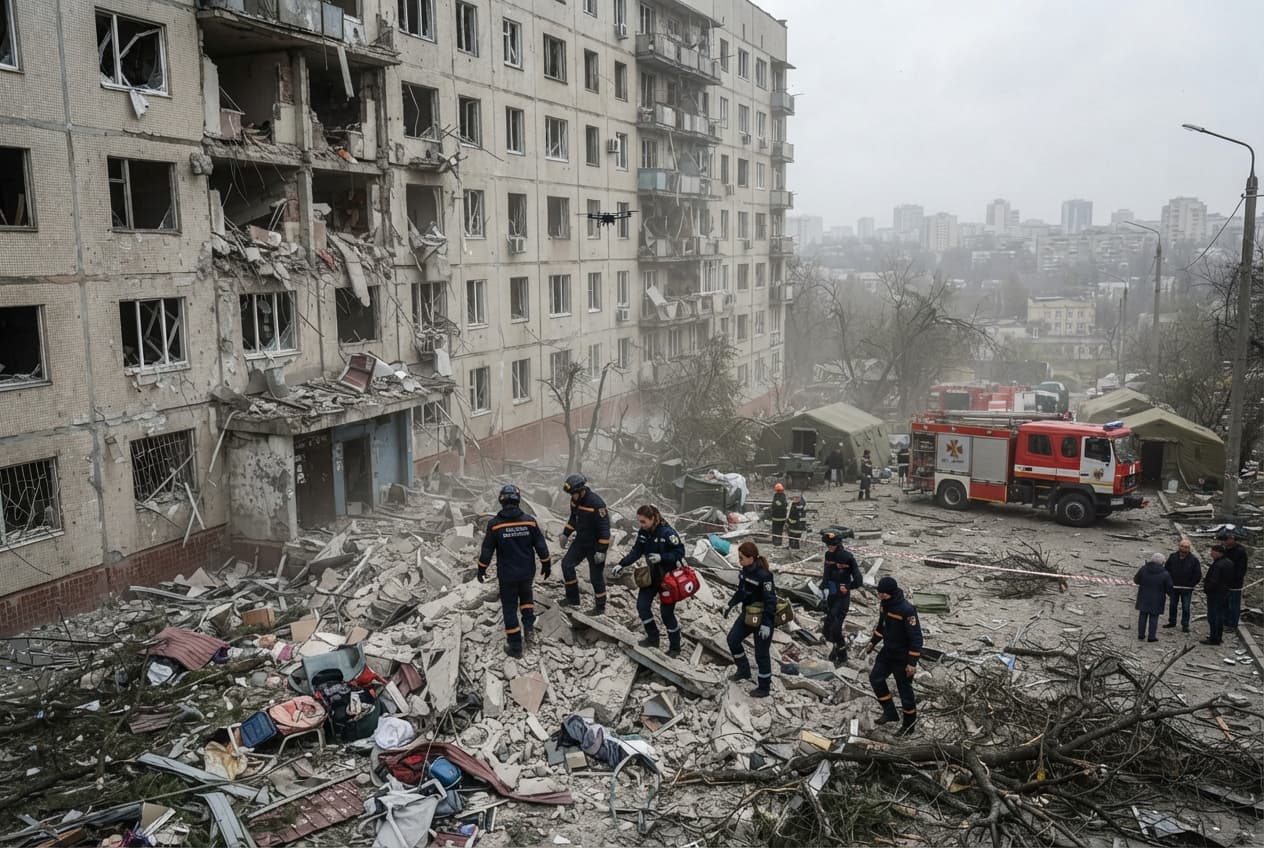
AI Image Disclaimer Visuals are AI-generated and serve as conceptual representations.
Sources Reuters; Financial Times; Associated Press
Published by Banx Network. This article is part of the Banx decentralized media programme, powered by the BXE token on the XRP Ledger.