

Key Highlights
- Greenland asserts sovereignty in U.S. diplomatic talks.
- Denmark and Greenland emphasize self-determination and respect.
- Historical ties influence current geopolitical interests.
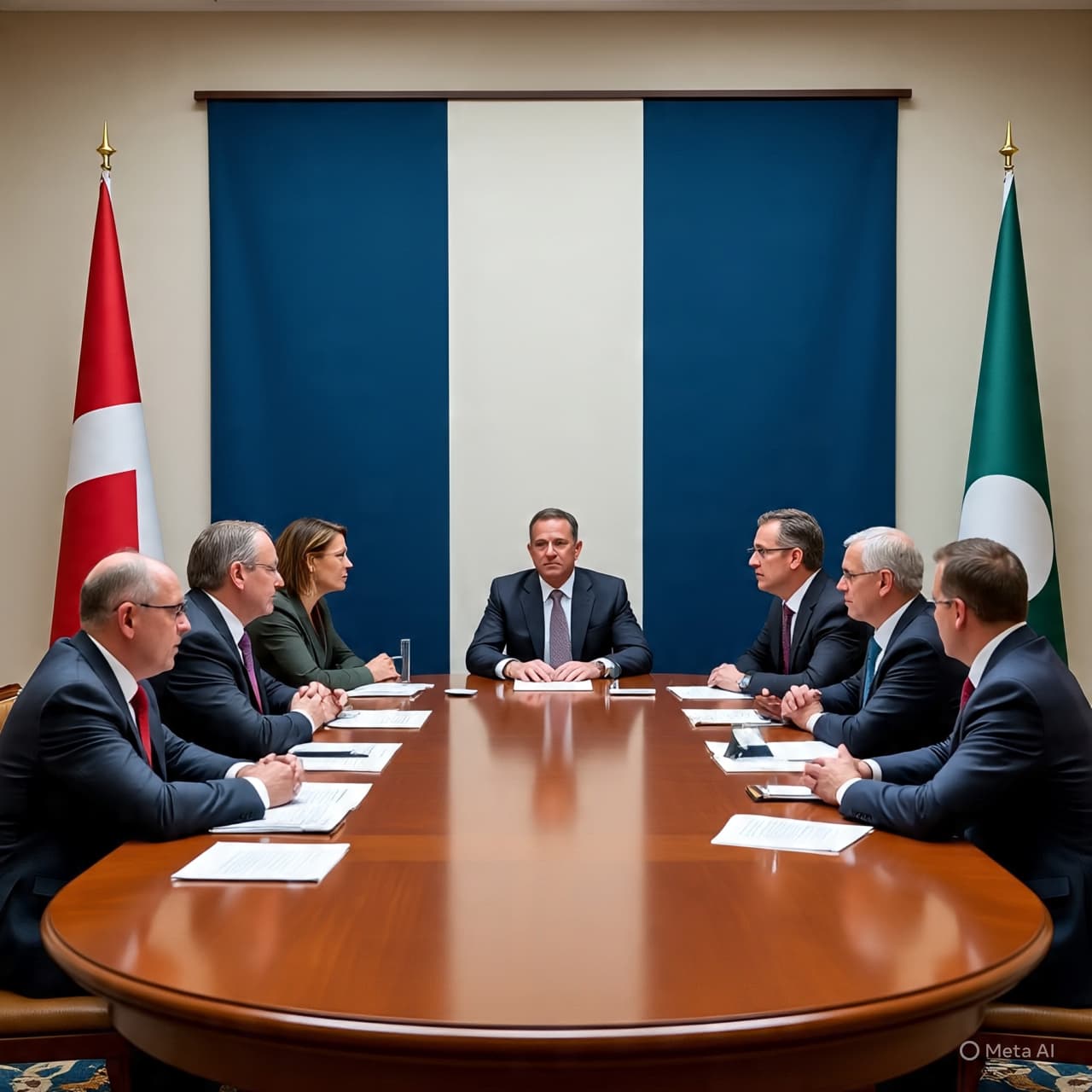
In a significant diplomatic meeting held in early January, Greenland's leaders firmly asserted their sovereignty during discussions with U.S. officials in Washington. The meeting, which included Denmark's ambassador to the United States, Jesper Møller Sørensen, and Greenland's chief representative, Jacob Isbosethsen, was a response to previous comments made by former President Donald Trump regarding the potential purchase of Greenland. The envoys conveyed a clear message: Greenland is not for sale, emphasizing the importance of self-determination and respect for the island's autonomy.
The backdrop of this meeting is steeped in history. Greenland, an autonomous territory within the Kingdom of Denmark, has long been a focal point of geopolitical interest due to its vast natural resources and strategic location. The recent surge in global attention towards the Arctic region has intensified discussions about sovereignty and territorial rights. Trump's remarks about acquiring Greenland reignited historical sentiments and concerns about colonialism, prompting Greenlandic leaders to reaffirm their commitment to self-governance.
During the meeting, U.S. officials listened attentively as the Danish and Greenlandic representatives articulated their position. They highlighted the long-standing friendship between Denmark and the United States, while also stressing that Greenland's future should be determined by its own people. This sentiment resonates deeply in Nuuk, where leaders are keen to shape their destiny in partnership with Denmark, rather than having decisions made by distant powers.
The discussions in Washington were part of a broader diplomatic effort that included conversations in Copenhagen and other European capitals. Leaders across the continent expressed solidarity with Greenland, emphasizing the importance of sovereignty and self-determination. This united front underscores the significance of maintaining alliances in the face of unilateral ambitions, particularly as global interest in the Arctic continues to grow.
The quiet strength of diplomacy was evident throughout these meetings. Rather than resorting to grand declarations or confrontational rhetoric, the focus remained on dialogue and mutual respect. This approach reflects a fundamental principle of international relations: that the voices of local communities must be acknowledged and respected in discussions that affect their future.
As Greenland navigates its position between strategic interests and cultural identity, it stands at a crossroads shaped by diplomacy rather than force. The island's leaders are determined to ensure that their narrative is not overshadowed by external ambitions, but rather defined by their own aspirations and values. The outcome of these diplomatic efforts will not only impact Greenland but also set a precedent for how nations engage with territories that hold significant geopolitical importance.
In conclusion, the recent diplomatic engagements highlight the delicate balance between global interests and local autonomy. Greenland's leaders are resolute in their commitment to self-determination, and as the Arctic continues to attract attention, their voices will be crucial in shaping the future of the region.
Published by Banx Network. This article is part of the Banx decentralized media programme, powered by the BXE token on the XRP Ledger.




