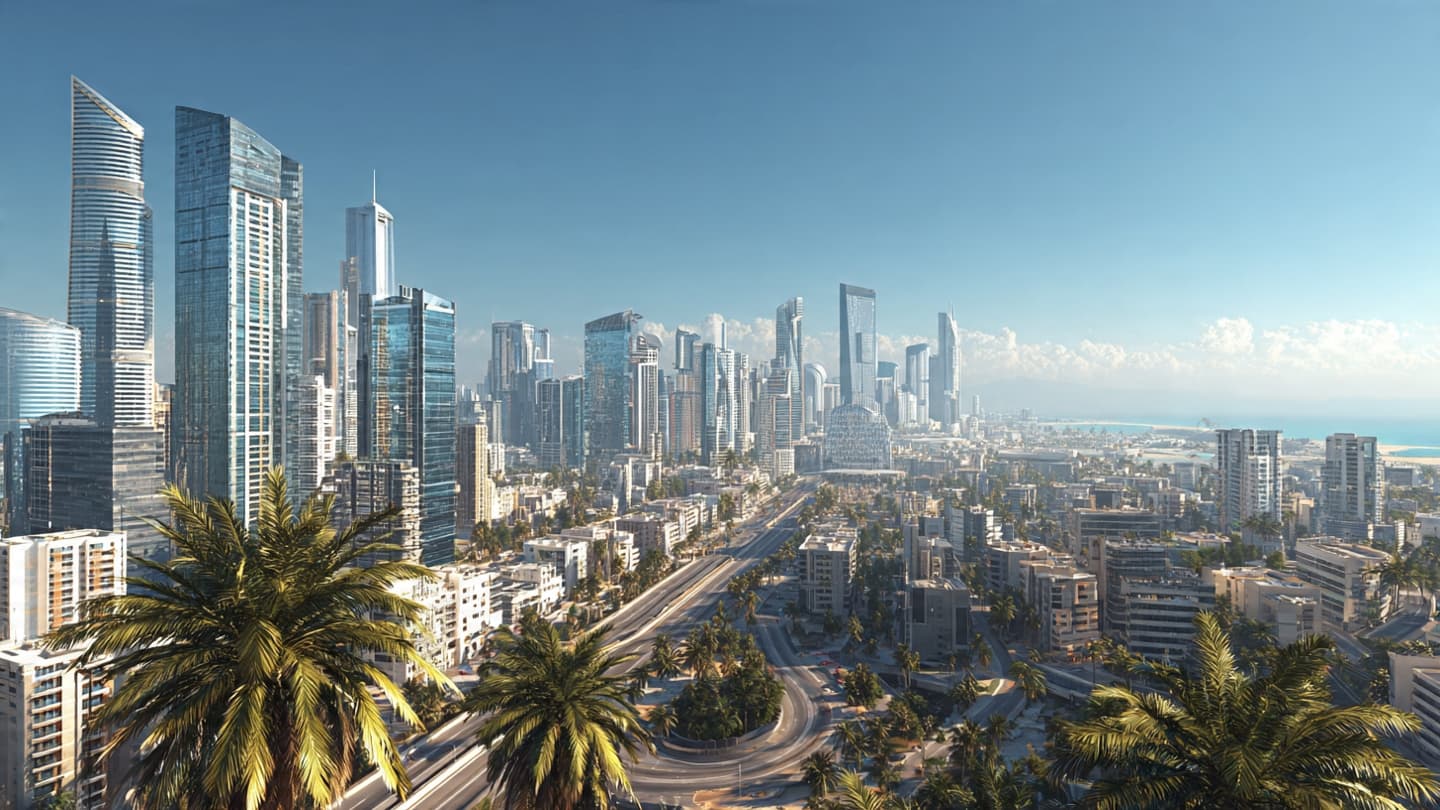
The desert horizon can appear almost motionless from a distance. Yet beneath the wide skies of the Gulf, economic landscapes are changing quickly. New towers rise beside older districts, ports expand toward deeper water, and technology companies increasingly occupy a place once dominated by oil and gas.
Across several Arab economies, investment strategies are gradually broadening beyond traditional energy production. Governments and businesses are developing sectors including tourism, logistics, finance, technology, manufacturing, and renewable energy.
Oil remains fundamental to many Gulf economies, providing substantial revenues and supporting large investment programs. But the long-term economic conversation has increasingly turned toward diversification and the development of industries that can generate value beyond hydrocarbons.
Tourism has become one of the most visible areas of expansion. New hotels, airports, cultural destinations, entertainment districts, and transportation infrastructure are being developed to attract international visitors and create new sources of employment.
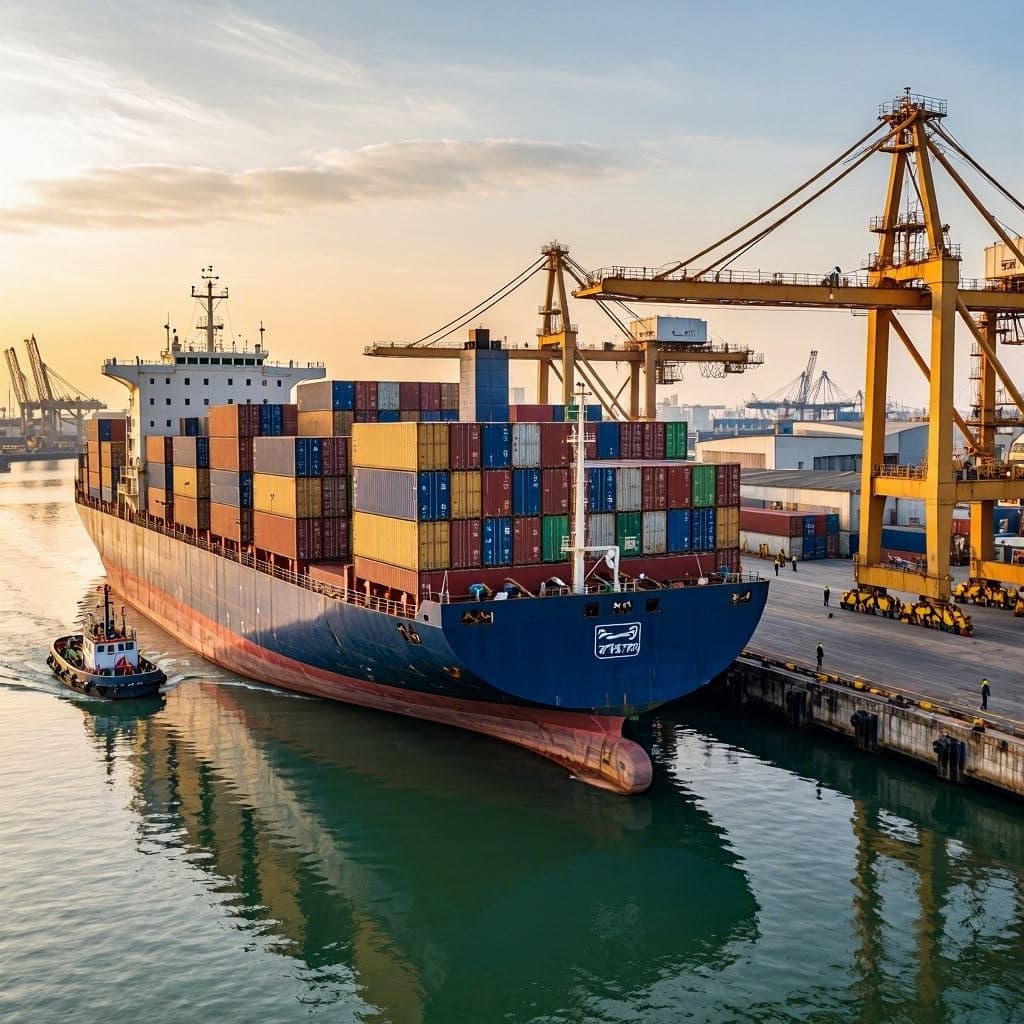
Logistics is another natural area of opportunity. The Gulf’s position between Asia, Europe, and Africa gives its ports and airports a strategic location for international trade. Investment in shipping infrastructure and distribution networks can therefore connect the region to markets far beyond its borders.
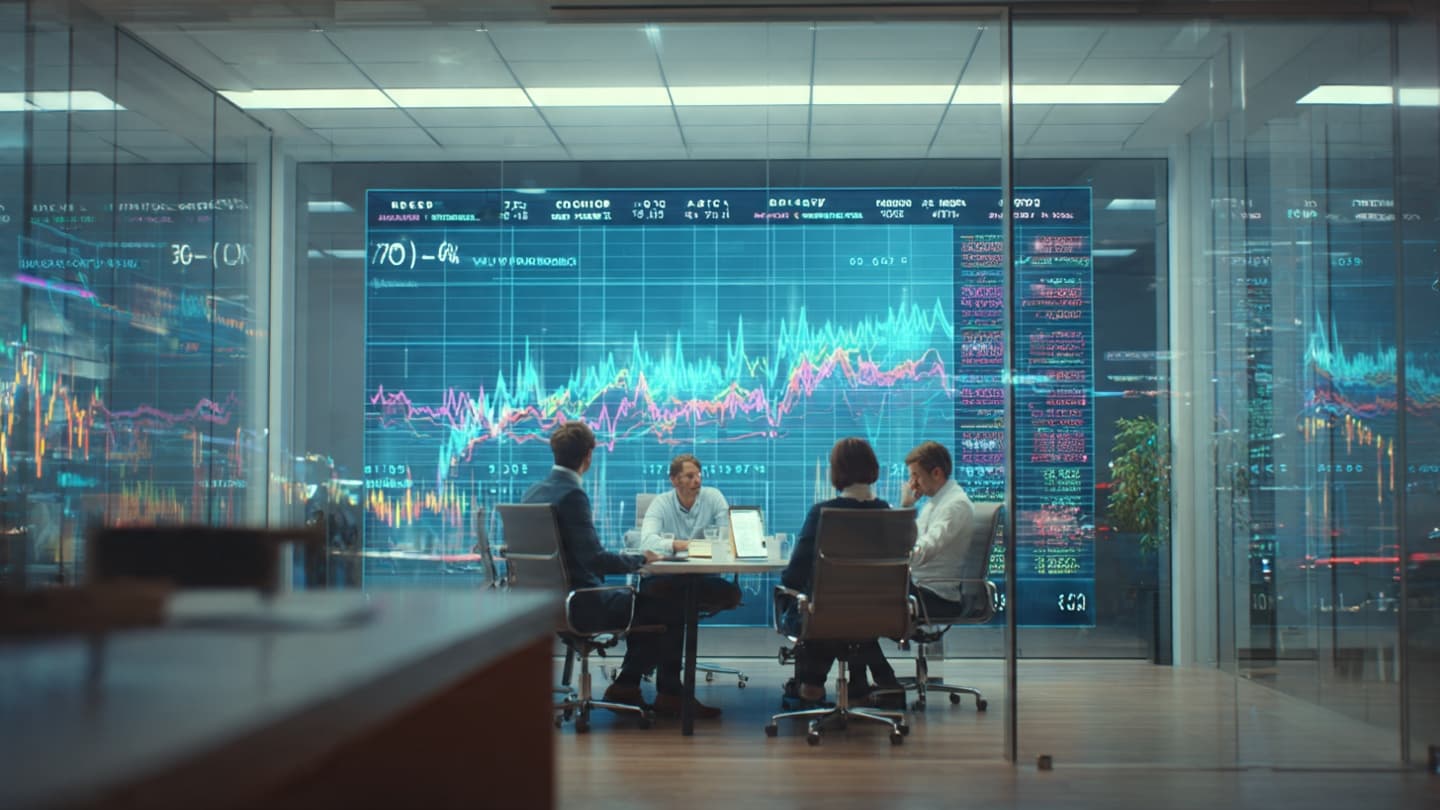
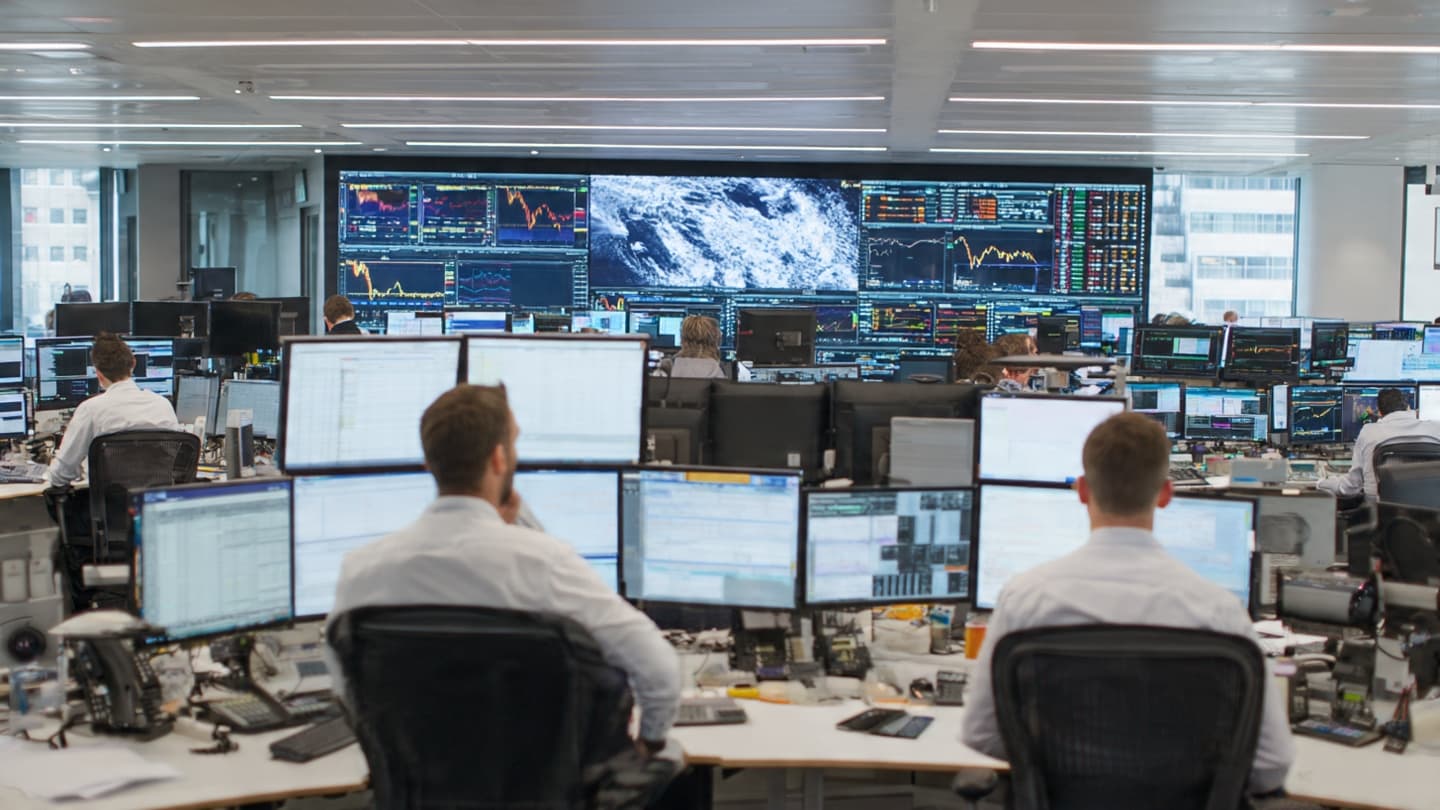
Technology is also becoming increasingly important. Artificial intelligence, cloud computing, digital finance, and advanced data infrastructure require large amounts of investment, while the Gulf’s financial resources provide a foundation for ambitious technology projects.
For international businesses, these developments create new possibilities. Companies can participate through direct investment, partnerships, infrastructure projects, financial services, or technology ventures.
The transformation is also changing the demand for talent. New industries require engineers, software developers, financial specialists, hospitality workers, logistics professionals, and other skilled employees, gradually broadening the economic structure of cities across the region.
Infrastructure remains central to the process. Economic diversification cannot be built solely through investment funds; it also depends on airports, ports, electricity networks, telecommunications, housing, and educational institutions capable of supporting expanding industries.
The pace differs from one country to another, and energy remains an important source of economic strength. Yet the direction is increasingly visible: capital is being used not only to extract resources but also to build new economic networks around them.
For the Gulf and wider Arab business landscape, the coming years will show how effectively these investments can translate into durable private-sector activity. Across the region, the economic horizon is gradually becoming wider, with new industries taking their place alongside the old.
AI Image Disclaimer The illustrations accompanying this article were created with AI technology and serve as conceptual representations of economic diversification in Arab markets.
Sources Reuters World Bank International Monetary Fund Arab Monetary Fund
Published by Banx Network. This article is part of the Banx decentralized media programme, powered by the BXE token on the XRP Ledger.