
Key Highlights
- MMUST is one of nine African hubs selected for the inaugural African Fellowships for Research in Indigenous and Alternative Knowledge.
- The fellowship aims to integrate indigenous knowledge systems into formal research frameworks.
- This initiative reflects a growing movement to decolonize research methodologies across the continent.
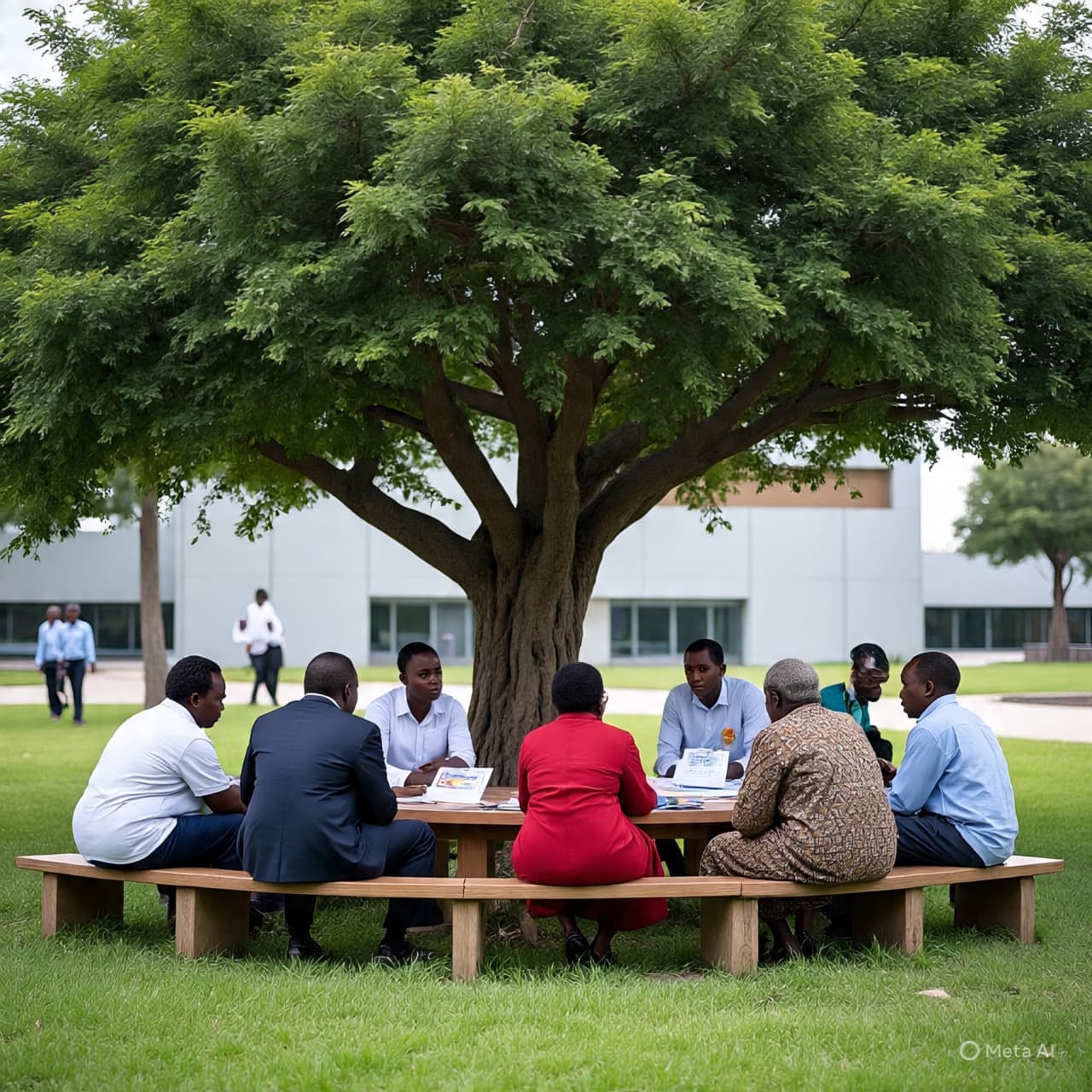
Masinde Muliro University of Science and Technology (MMUST) has been selected as one of only nine hubs across Africa to host the inaugural African Fellowships for Research in Indigenous and Alternative Knowledge. This initiative marks a significant step in recognizing and integrating indigenous knowledge systems into formal academic research, providing a platform for collaboration between scholars and community knowledge holders.
The fellowship program is designed to strengthen research that is grounded in indigenous practices, such as local agricultural methods, traditional healing practices, and ecological wisdom. These knowledge systems have historically existed alongside formal academia, often overlooked or misunderstood. By bridging this gap, the fellowship aims to create a respectful dialogue between traditional insights and academic inquiry, enriching both fields.
As a host hub, MMUST will facilitate collaboration among scholars, practitioners, and community members, emphasizing that indigenous knowledge is not merely anecdotal but is based on lived experiences and adaptive resilience. This approach seeks to broaden the lens of scientific inquiry, allowing for a more inclusive understanding of knowledge that has been tested over generations.
The fellowship initiative also signals a broader continental movement towards decolonizing research methodologies. In recent years, African institutions have increasingly sought to assert their roles as contributors to global knowledge rather than just recipients. By hosting this fellowship, MMUST exemplifies this evolving confidence and commitment to shaping its own intellectual trajectory.
The implications of recognizing indigenous knowledge extend beyond academia. Such recognition can influence policy discussions in various sectors, including health, agriculture, and environmental management. For instance, integrating traditional ecological knowledge into climate adaptation strategies can lead to more effective and culturally relevant solutions. Similarly, research on herbal medicine can enhance public health frameworks when conducted ethically and collaboratively.
However, the integration of indigenous knowledge into formal research must be approached with care. Ethical considerations, community consent, and equitable benefit-sharing are crucial to ensure that collaborations empower rather than exploit local communities. Issues of intellectual property, cultural sensitivity, and representation must be at the forefront of these initiatives to foster genuine partnerships.
MMUST's selection as a host hub is part of a larger network of nine centers across Africa, each reflecting the continent's diverse intellectual landscapes. This collective effort underscores the idea that knowledge is not a one-way street; it circulates, evolves, and returns to its roots.
The inaugural African Fellowships for Research in Indigenous and Alternative Knowledge may not only be remembered for their formal ceremonies but also for the meaningful conversations they inspire between elders and researchers, the documentation of practices traditionally shared orally, and the renewed confidence in local knowledge systems. This announcement marks the beginning of a new chapter, opening doors for fellows and communities alike, ready to share their wisdom with the world.
Published by Banx Network. This article is part of the Banx decentralized media programme, powered by the BXE token on the XRP Ledger.



