
Key Highlights
- Recent vandalism in New Zealand has targeted historic and cultural heritage sites.
- Local authorities are conducting cleanup operations and increasing patrols.
- Community leaders are advocating for educational initiatives and stricter penalties.
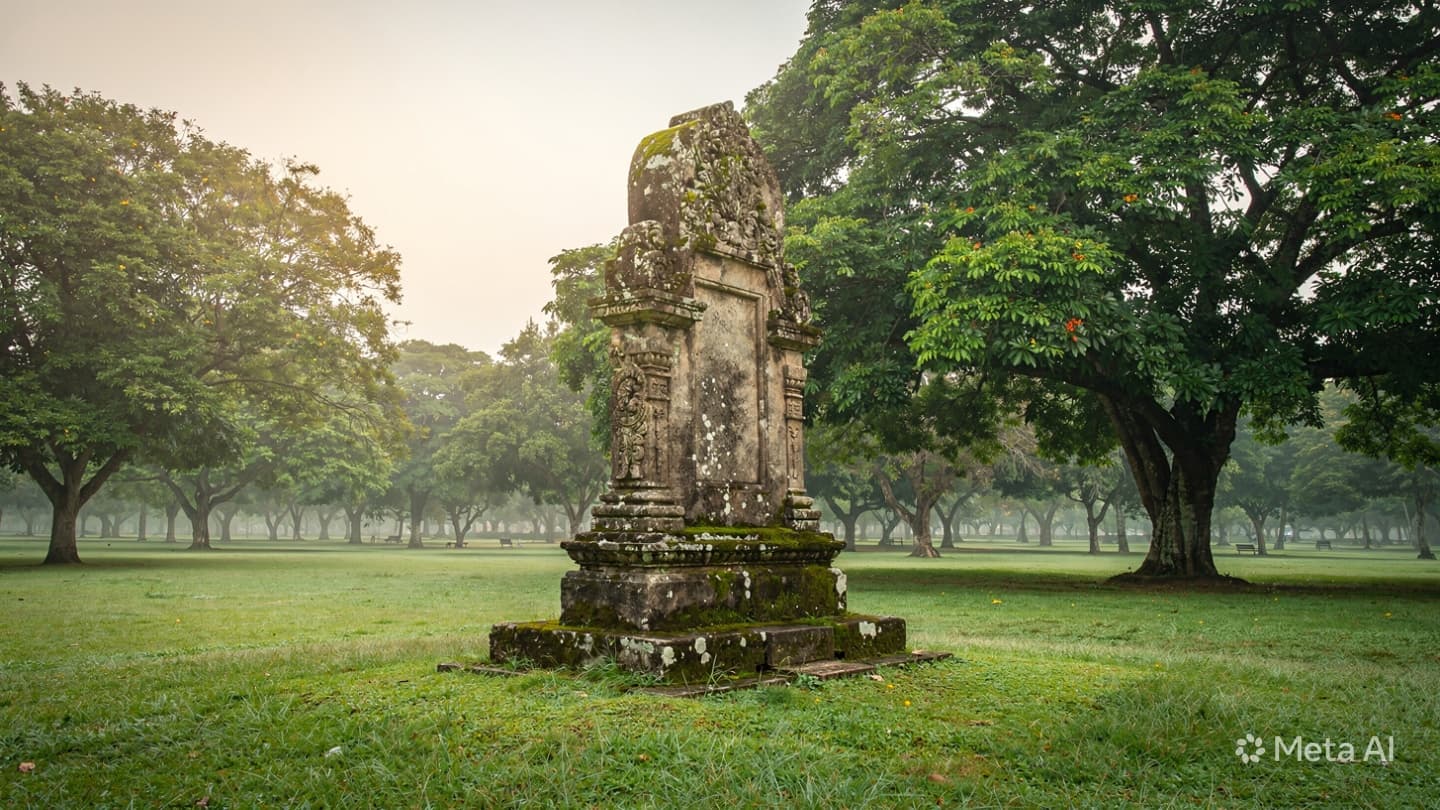
New Zealand communities have expressed profound anger and concern following a recent spate of vandalism that targeted several prominent historic and cultural heritage sites across the region. Local authorities discovered offensive markings and structural damage on several monuments, prompting immediate cleanup operations by conservation specialists. The vandalism has sparked a wave of frustration among residents, who view these sites as vital components of their shared identity and history.
The response from the community has been swift and resolute. Citizens have come together to assist in the restoration efforts, demonstrating a collective commitment to preserving their cultural heritage. Volunteer groups are working alongside professional conservators, employing specialized techniques to remove graffiti and repair damage without compromising the integrity of the ancient structures. This grassroots mobilization not only addresses the physical damage but also reinforces community bonds, showcasing resilience in the face of adversity.
Law enforcement agencies are treating the defacement of cultural heritage with a high degree of seriousness, recognizing the broader societal implications of such acts. Investigators are looking for patterns across different sites, utilizing forensic tools and community tips to identify those responsible for the vandalism. The goal is to establish accountability while sending a clear message that the preservation of shared memory is a foundational value. Increased police patrols around significant landmarks aim to deter future incidents and reassure the community of their safety.
For cultural historians and elders, these incidents prompt a deeper reflection on how history is communicated and valued in a rapidly changing world. The protection of landmarks requires more than physical security; it demands an ongoing education that fosters a genuine respect for ancestral narratives. Community leaders are advocating for greater educational awareness to instill a sense of responsibility among younger generations, ensuring that the significance of these sites is understood and respected.
As restoration efforts progress, the monuments are gradually emerging from the shadows of vandalism, their surfaces cleaned and dignity restored. The subtle scars left by the cleaning process become part of the site’s ongoing history, a testament to a moment when the community stood together to defend its past. Visitors return, their movements quiet and respectful, reaffirming the enduring sanctity of the ground.
The natural beauty surrounding these sites continues to provide a calm backdrop, with ancient trees and rolling hills offering a sense of perspective that outlasts any temporary disruption. The commitment to preservation ensures that these anchors of identity remain intact for those who have yet to trace their lineage through the landscape. As New Zealand grapples with the implications of these acts of vandalism, the community's response highlights the importance of cultural heritage and the collective responsibility to protect it for future generations.
Published by Banx Network. This article is part of the Banx decentralized media programme, powered by the BXE token on the XRP Ledger.



