The morning mist often clings to the banks of the Danube, a slow-moving witness to centuries of change, yet today the air carries a different weight—the scent of fresh concrete and the distant hum of progress. There is a specific kind of stillness that precedes a great shift, a quietude found in the expansion of factory floors and the steady ink of new trade agreements. Serbia finds itself at a peculiar crossroads where the ghosts of an agrarian past meet the sharp, clean lines of a technological future. It is a transition that does not scream for attention but rather unfolds with the deliberate pace of a river finding a new channel through old stone.
In the northern reaches of Subotica and the sprawling outskirts of Belgrade, the arrival of international manufacturing giants feels less like an invasion and more like a slow integration into the landscape. The opening of specialized production lines, such as the recent Avgerinos facility, represents more than just a ledger entry; it is a pulse of vitality in a region long accustomed to waiting. These structures rise from the earth as monuments to a new era of labor, where the precision of automotive components replaces the rougher tools of yesterday. The geography of the country is being subtly remapped by the logic of supply chains and the gravity of foreign investment.
Logistics, too, are moving with a newfound fluidity as the modernization of the Belgrade Metro and national rail systems begins to take physical form. To watch the massive boring machines arrive is to see the subterranean veins of the city being prepared for a faster, more interconnected heartbeat. There is a certain poetry in the way infrastructure tethers a nation to its neighbors, turning once-distant borders into accessible gateways for commerce. This movement is not merely about the speed of travel, but about the shrinking of distances that once defined the limits of Serbian industry.
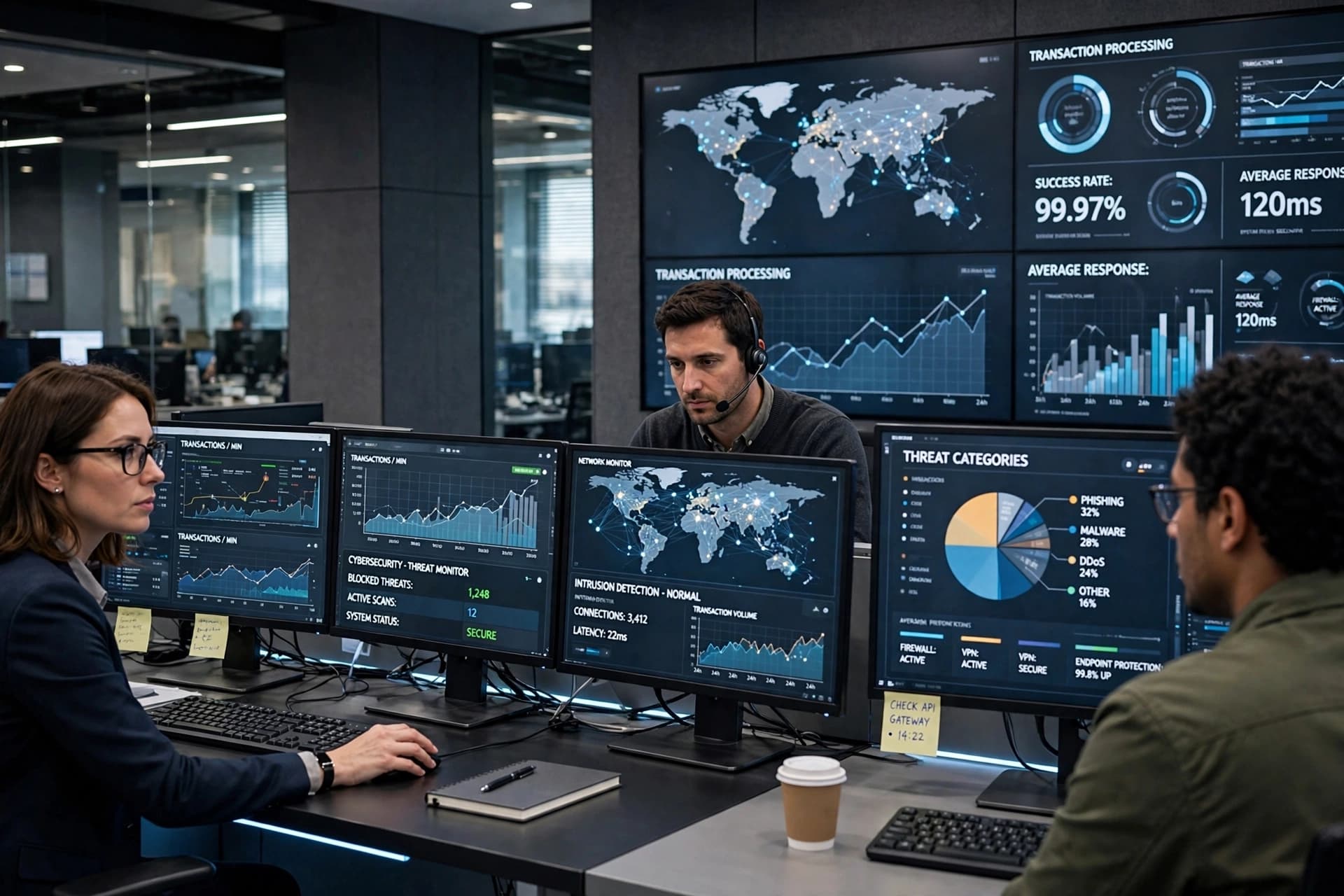
The financial sector maintains a steady gaze, mirrored in the stability of the dinar as it navigates the choppy waters of global market volatility. In the quiet halls of the National Bank, decisions are made with a restraint that suggests a long-term vision, favoring gradual resilience over the frantic highs of speculation. This economic composure provides a canvas upon which smaller enterprises and tech startups can begin to sketch their own futures. It is a delicate balance of maintaining a firm foundation while allowing the upper branches of the digital economy to reach toward the sun.
Agriculture, the traditional soul of the land, is undergoing its own quiet revolution through the infusion of smart technology and sustainable practices. Large holdings like the MK Group are beginning to blend the intuition of the farmer with the data of the scientist, ensuring the soil remains productive for generations yet to reach the fields. There is a deep, rhythmic persistence in the way the land is tended, now augmented by the cool efficiency of modern irrigation and dam projects. It is a reminder that even in a world of high-speed fiber and steel, the earth remains the ultimate source of wealth.
In the realm of energy, the landscape is shifting toward the invisible power of the wind and the sun, as Greek and other regional investors look toward the Serbian hills. The transition away from older, heavier fuels is a slow turning of a massive ship, a movement toward a lighter footprint on the Balkan terrain. These projects represent a commitment to a future that is not only profitable but also breathable, aligning the nation’s industrial aspirations with the environmental realities of the continent. It is a slow, methodical pivot that requires both patience and a steady hand at the helm.
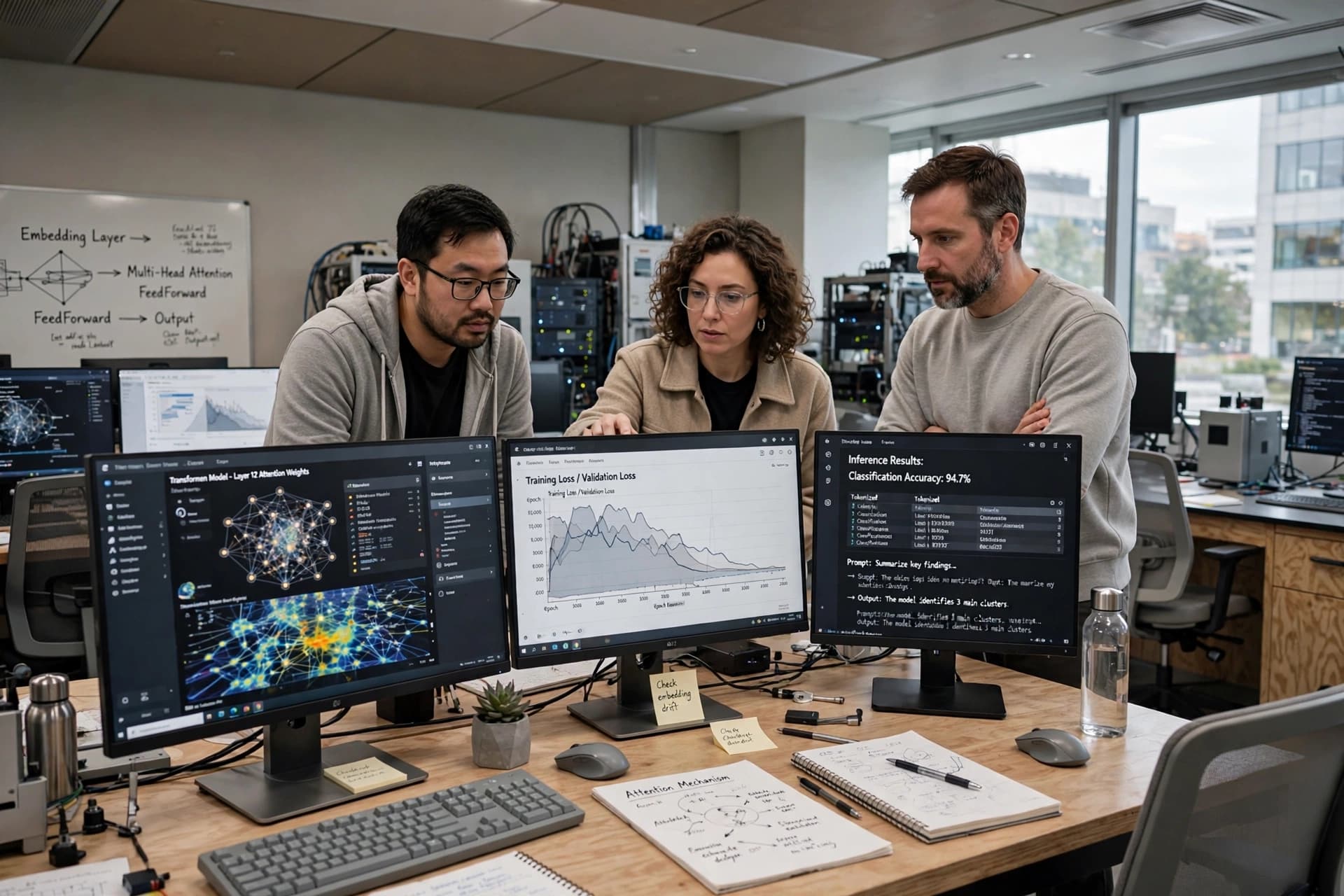
The rise of the "Bio4 Campus" in Belgrade serves as a focal point for this intersection of biology and business, drawing international partners into a collaborative dance. Here, the focus is on the minute—the microscopic structures that will define the next generation of medicine and environmental science. It is a place where the abstract world of research meets the tangible world of commercial application, creating a bridge between the university and the marketplace. This sanctuary of thought represents the highest aspirations of a workforce that is increasingly specialized and globally oriented.
As the day ends and the lights of the new factories begin to twinkle against the darkening Serbian sky, one realizes that the story of this economy is written in these small, consistent increments. It is a narrative of persistence, a slow accumulation of progress that avoids the traps of sensationalism in favor of steady, lived-in growth. The quiet confidence seen in the eyes of the workforce reflects a nation that has learned to value the long game, building a house that is meant to stand against the winds of change.
The National Bank of Serbia has confirmed the continued stability of the national currency despite ongoing fluctuations in the broader European markets. Current industrial data indicates a four-percent rise in mining output and a significant increase in software exports for the second quarter. Infrastructure projects, including the Belgrade Metro and several highway expansions, remain on schedule for their 2026 milestones. Business leaders continue to monitor regional trade agreements to ensure the continued flow of goods across the Balkan corridor.
AI Image Disclaimer Visuals are AI-generated and serve as conceptual representations.
Published by Banx Network. This article is part of the Banx decentralized media programme, powered by the BXE token on the XRP Ledger.