The universe often preserves its memories in silence. Across unimaginable distances, galaxies carry the marks of ancient encounters much as old forests bear the traces of long-forgotten storms. Centaurus A is one such cosmic storyteller, where brilliant newborn stars, dark rivers of dust, and a restless central black hole come together to reveal a chapter of galactic evolution that continues to unfold.
Located about 11 million light-years from Earth in the constellation Centaurus, Centaurus A (also known as NGC 5128) is among the nearest active galaxies to our own. It is also one of the brightest galaxies visible in the night sky, making it an important target for both professional observatories and amateur astronomers. Its unusual appearance is the result of a collision between a massive elliptical galaxy and a smaller spiral galaxy that occurred roughly two billion years ago.
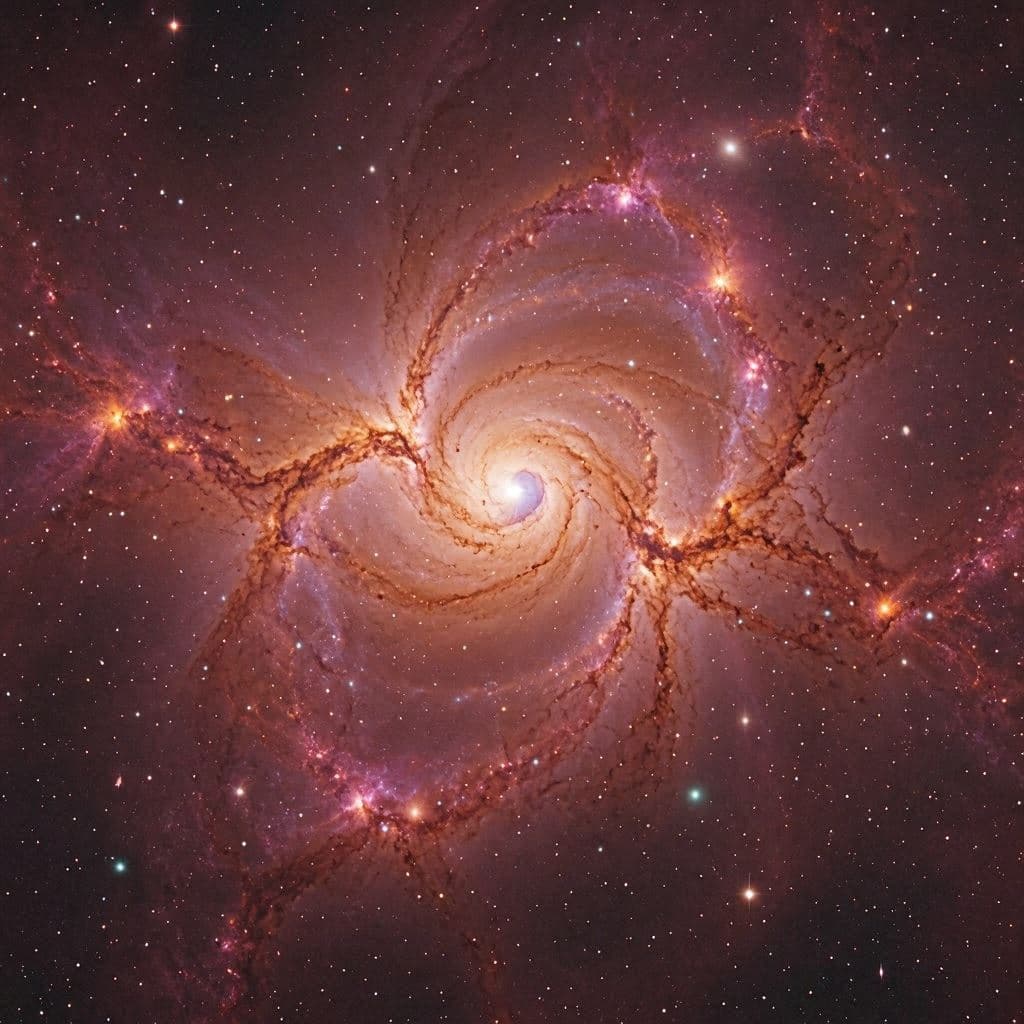
The galaxy is classified as a starburst galaxy, meaning it is experiencing an unusually intense period of star formation. Vast reservoirs of gas and dust left behind by the ancient merger continue to collapse into new stellar nurseries. At the same time, the galaxy's center hosts a supermassive black hole whose energetic activity shapes the surrounding environment through powerful jets and radiation.
Recently, NASA and its international partners released new observations from the James Webb Space Telescope using its Mid-Infrared Instrument (MIRI). Webb's infrared vision penetrated thick clouds of cosmic dust that had previously obscured the galaxy's inner regions, revealing intricate filaments, looping structures, glowing clouds of warm dust, and regions where stars continue to form.
The observations also provided astronomers with a clearer view of the actively feeding supermassive black hole at the galaxy's core. Webb detected fast-moving ionized gas and complex structures surrounding the nucleus, allowing scientists to investigate how black holes influence the birth and evolution of stars. While black holes are often associated with destruction, they can also compress surrounding gas under certain conditions, encouraging new generations of stars to emerge.
Researchers continue to examine several unusual features revealed in the new images, including large loop-like formations and an S-shaped structure whose origin remains uncertain. These discoveries may help scientists better understand how galaxy mergers redistribute gas and dust, and how those processes affect both star formation and black hole activity over billions of years.
Centaurus A serves as an exceptional natural laboratory because it is relatively close compared with many galaxies studied by Webb. Its proximity allows astronomers to distinguish individual stellar populations and fine structural details that would be impossible to observe in more distant galaxies. Insights gained from Centaurus A are expected to improve models describing how galaxies throughout the universe grow, interact, and evolve.
Each new observation adds another page to the story written across the cosmos. Rather than offering final answers, Centaurus A reminds scientists that every discovery opens new questions about the forces that shape galaxies. With Webb continuing its exploration of the infrared universe, this remarkable starburst galaxy will likely remain one of astronomy's most valuable windows into the dynamic life of galaxies.
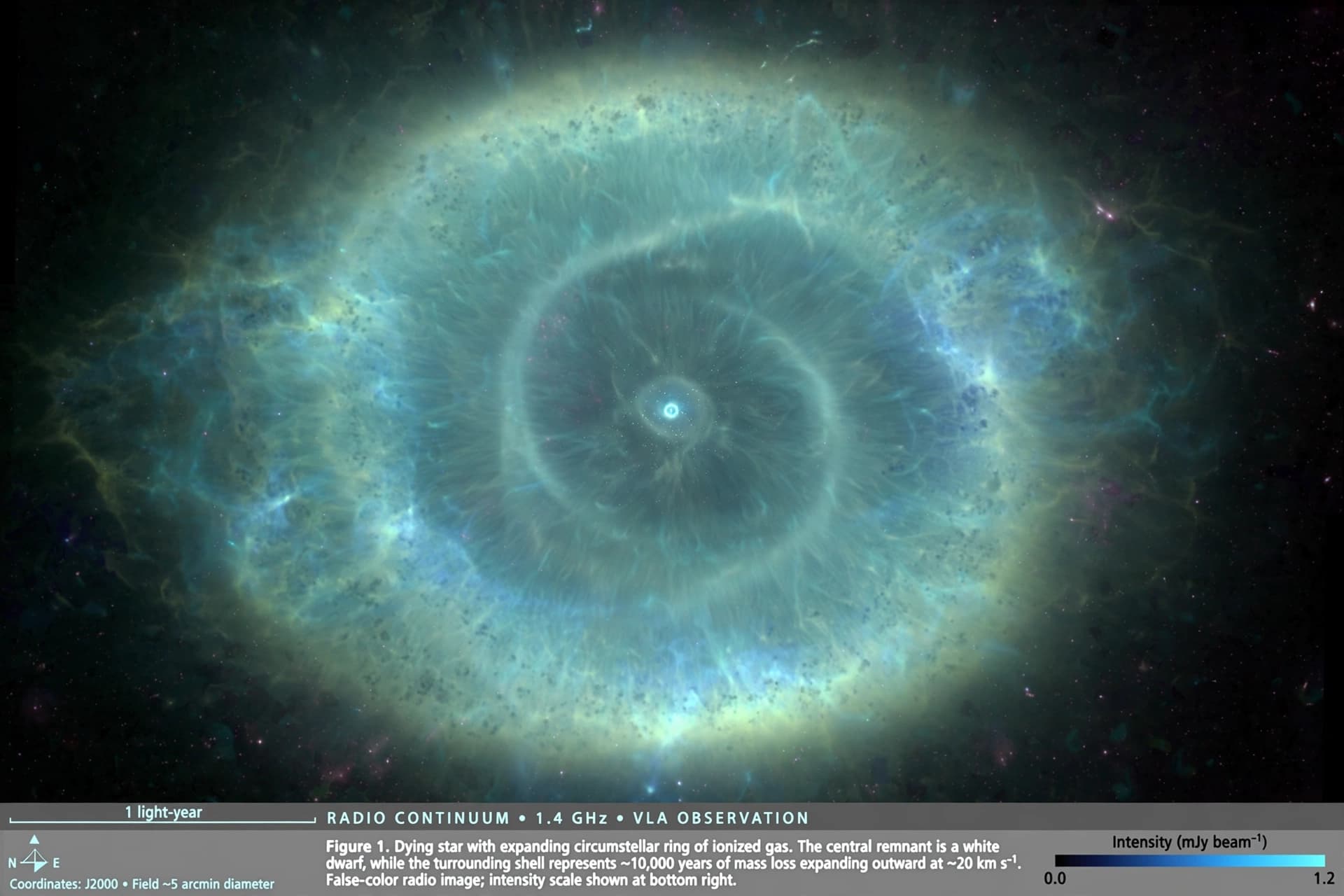
AI Image Disclaimer: The accompanying images are AI-generated visual interpretations inspired by verified astronomical observations and are intended for illustrative purposes only.
Sources (Verified):
NASA NASA Science NASA Astronomy Picture of the Day (APOD) ESA James Webb Space Telescope Space.com Sky at Night Magazine
Published by Banx Network. This article is part of the Banx decentralized media programme, powered by the BXE token on the XRP Ledger.