
Key Highlights
- U.S. military strikes on Kharg Island target military installations.
- Kharg Island is vital for Iran's oil exports, handling 90% of its crude.
- The ongoing conflict raises concerns over global energy supply and stability.
In the third week of escalating tensions between the United States and Iran, U.S. forces have conducted targeted strikes on military installations located on Kharg Island, a crucial hub for Iran's oil exports. This strategic location, despite its modest size, plays a significant role in the global energy market, serving as the primary conduit for approximately 90 percent of Iran's crude oil shipments.
President Donald Trump confirmed the operations, emphasizing that while military targets were hit, the island's extensive oil infrastructure, including terminals and pipelines, remained untouched. This decision appears to be a calculated move to exert military pressure on Iran without disrupting oil flows that are vital not only to Iran's economy but also to global markets already strained by geopolitical tensions.
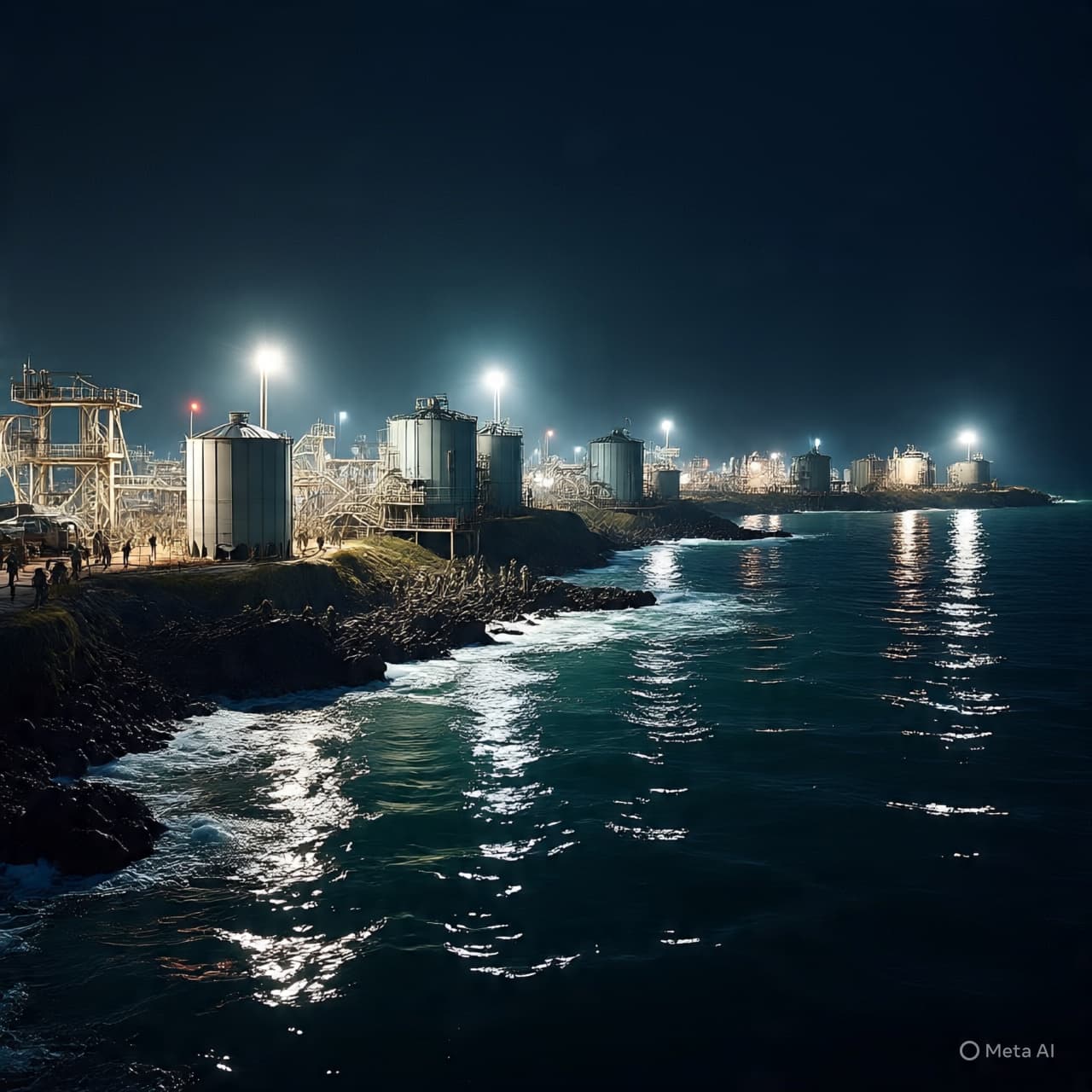
Kharg Island, situated in the northern Persian Gulf, has long been recognized as the economic heartbeat of Iran's oil trade. Its facilities can store tens of millions of barrels of oil, and its terminals connect Iranian crude to international markets, including major consumers in Asia and Europe. Any disruption in this area could have far-reaching implications, potentially triggering spikes in oil prices and affecting energy security worldwide.
The ongoing conflict has already begun to impact shipping routes through the Strait of Hormuz, a critical maritime corridor that typically facilitates nearly 20 percent of the world's oil shipments. As military tensions rise, shipping activity has slowed, raising alarms among global energy stakeholders about the potential for further disruptions.
The U.S. strikes on Kharg Island serve both military and symbolic purposes. By focusing on military facilities while sparing oil export terminals, the operation aims to weaken Iranian military capabilities without immediately jeopardizing the flow of oil that influences global markets. This strategy reflects a nuanced approach to warfare, balancing military objectives with economic considerations.
In response, Iranian officials have issued stern warnings of retaliation, asserting that attacks on their economic infrastructure would provoke counterattacks against energy facilities linked to the United States and its allies. This exchange of threats adds another layer of complexity to an already volatile situation, as both sides navigate the intricate interplay of military action and economic stability.
As the conflict continues to unfold, the world watches closely. The fate of Kharg Island, a seemingly insignificant piece of land in the vast Persian Gulf, underscores the profound impact that geography and politics can have on global energy dynamics. With U.S. officials maintaining that their strikes were limited to military targets, the operational status of Iran's oil infrastructure remains a critical point of interest for governments and markets alike.
In summary, the situation surrounding Kharg Island exemplifies how localized conflicts can reverberate across the globe, influencing energy prices, diplomatic relations, and the delicate balance of international stability. As both nations prepare for potential escalations, the implications of this conflict will likely extend far beyond the shores of this small island.
Published by Banx Network. This article is part of the Banx decentralized media programme, powered by the BXE token on the XRP Ledger.



