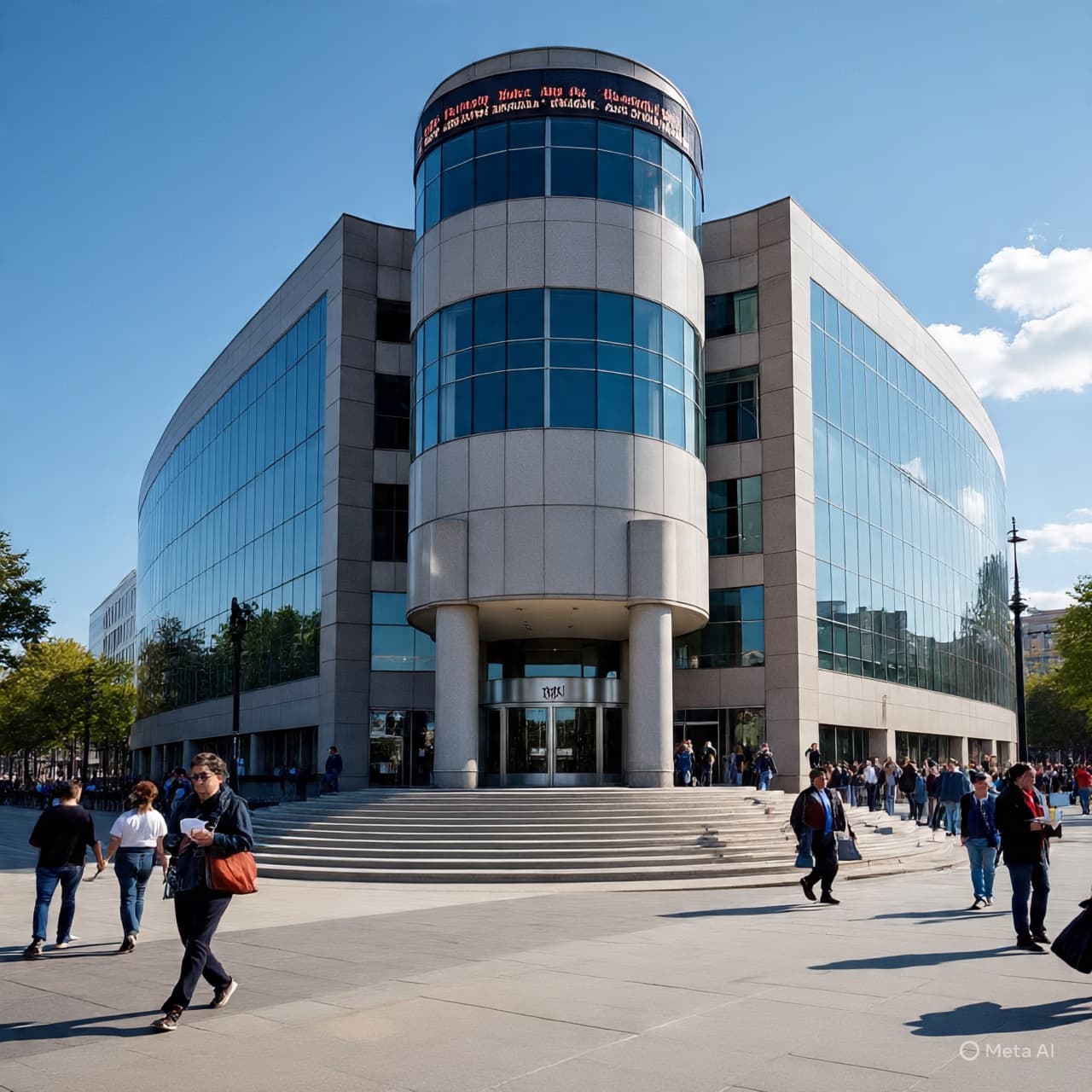
In the hushed hallways of one of America’s most storied newsrooms, the quiet after the announcement was almost louder than the words themselves. For decades, The Washington Post has stood as a mirror to American political life, a steady chronicler of global and national change. But on a recent Wednesday morning, journalists and staffers experienced a different kind of shift — one marked not by headlines but by personal departures and the shuttering of long‑cherished sections.
The Post began implementing a significant round of layoffs that will affect roughly one‑third of its workforce across all departments. Staff were told in a Zoom meeting led by Executive Editor Matt Murray that deep cuts were imminent, touching the sports desk, local and international bureaus, the books section, and even aspects of its audio programming. Coverage of foreign news and several regional beat reporting teams will be scaled back. These moves follow years of financial strain and shifting editorial strategy within the Bezos‑owned publication.
For many employees, the news felt like a cold pivot away from traditions that have defined the paper for decades. The Washington Post Guild, representing newsroom staff, voiced strong criticism, warning the layoffs could harm both journalistic integrity and the paper’s mission to serve readers with deep, independent reporting. Some staff members have taken to social media to share personal reflections, while others anxiously await official word on their roles.
Among the most visible changes is the elimination of the Post’s sports department in its current form and the suspension of certain podcasts, including Post Reports. The books desk — longtime home to literary coverage and criticism — will be shuttered, and several foreign bureaus will be downsized. While politics, national security and business reporting remain priorities, the reshaped newsroom may deliver far narrower coverage in its absence of these once‑central teams.
The scale of the layoffs comes amid broader turmoil in the media industry, where legacy news organizations have struggled with declining subscriptions and advertising revenues in recent years. The Post, owned by Amazon founder Jeff Bezos since 2013, has faced heightened scrutiny not just for its financial challenges but also for shifts in editorial decisions and coverage strategy. In recent years, staff morale has been affected by controversial shifts in opinion‑page direction and declining reader engagement tied to major editorial choices.
For readers and journalists alike, this moment represents both an end and a beginning. Departments that once produced rich, multifaceted reporting will be pared back, while other areas will be emphasized as part of a strategic “reset” aimed at navigating a crowded and competitive media environment. Yet for those who have built careers at the Post, the cuts are not merely structural — they are emotional and deeply personal reminders of how even enduring institutions evolve.
AI Image Disclaimer Graphics are AI‑generated and intended for representation, not reality.
Sources (Source Check Completed) Associated Press (AP) Reuters The Guardian TheWrap Business Insider
Published by Banx Network. This article is part of the Banx decentralized media programme, powered by the BXE token on the XRP Ledger.