

Key Highlights
- Nationwide blackout:Cuba's power system collapses, affecting millions.
- Restoration efforts:Authorities prioritize essential services in recovery.
- Infrastructure challenges:Aging power plants and fuel shortages exacerbate issues.
In Cuba, electricity often flows like an unseen river—quiet and steady, until it suddenly stops. Recently, that silence fell abruptly as the nation’s power system suffered a total collapse, plunging large parts of the island into darkness. This failure halted electricity generation across the grid, disrupting transportation, communication, and daily life for millions of residents.
The outage reportedly began after a critical failure within the national electrical network triggered a cascading shutdown of power plants. Once the grid lost its stability, generators across the country disconnected almost simultaneously, creating a nationwide blackout that stretched from Havana to smaller cities and rural communities.
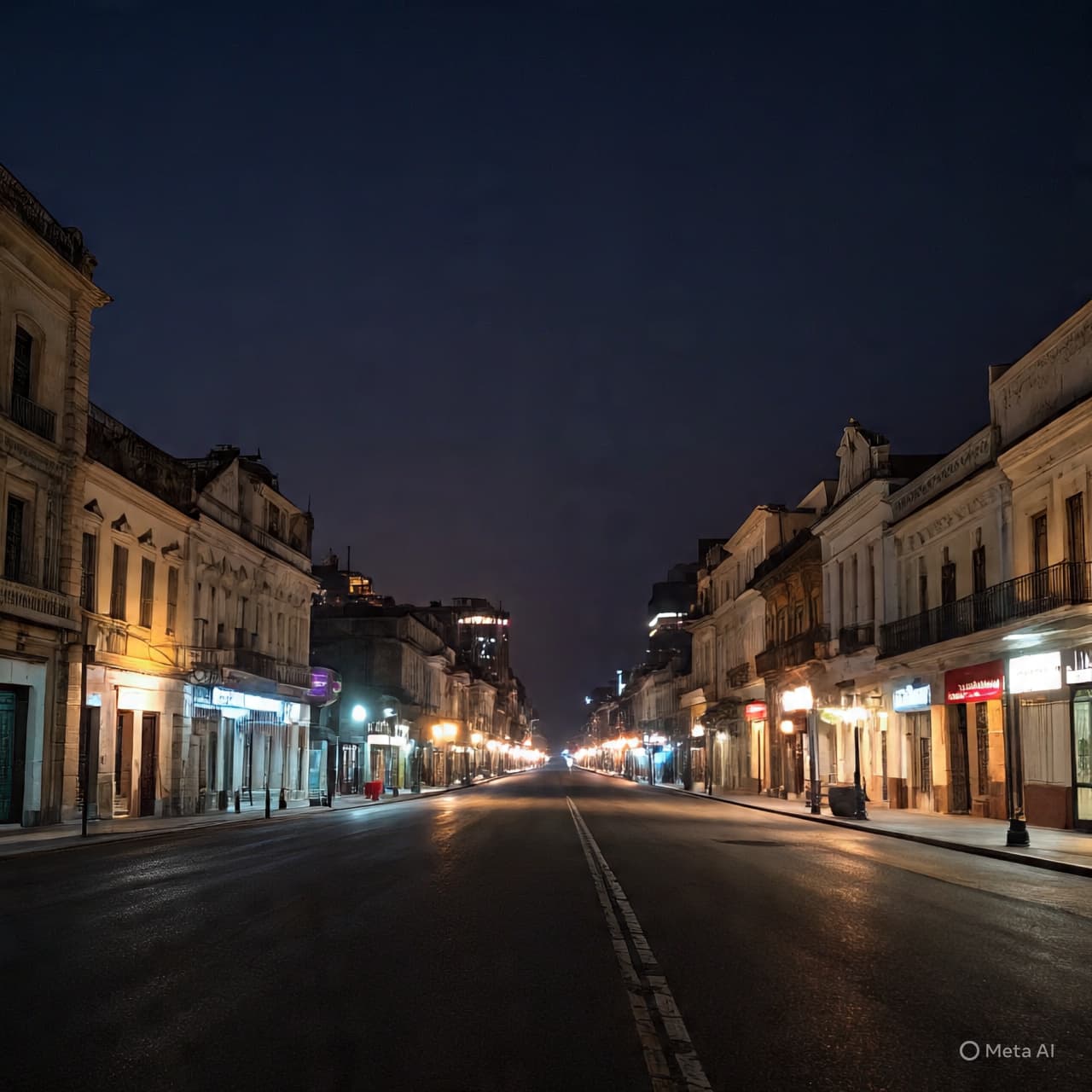
For many residents, the change was immediate and unmistakable. Traffic signals went dark, elevators stopped between floors, and homes suddenly lost the familiar glow of evening light. Refrigeration systems, air conditioners, and electronic networks fell silent as the island adjusted to a night powered only by flashlights, candles, and backup generators where available.
Energy officials described the event as a full collapse of the national grid—an uncommon but deeply disruptive scenario in which the entire electrical network shuts down rather than isolated regions losing power. Restarting such a system can be a careful and gradual process. Engineers must bring power plants back online step by step while ensuring the grid remains balanced and stable.
Cuba’s electrical infrastructure has long faced challenges tied to aging power plants, fuel shortages, and the complexities of maintaining large-scale generation facilities. In recent years, the system has experienced repeated strain, particularly during periods of high demand and limited fuel supplies. When a major failure occurs, the interconnected nature of power grids can cause disruptions to ripple outward quickly. A single breakdown may force other plants to disconnect automatically, triggering a chain reaction that leaves the system without the balance needed to continue operating.
Authorities began working to restore electricity gradually, prioritizing essential services such as hospitals, water systems, and critical infrastructure. Restoration efforts often begin with smaller generating units that can restart independently, a process known in the energy sector as a “black start,” before larger plants reconnect to the grid. Across the island, communities waited as technicians worked through the complex task of rebuilding the electrical system piece by piece.
By the following hours, officials indicated that restoration efforts were underway and that electricity would return gradually to different regions as stability improved. While the blackout disrupted daily life across Cuba, the focus remained on restoring the grid and returning the island to its familiar rhythm. For now, engineers continue the careful work of bringing the system back online. The lights, officials say, are expected to return step by step—until the unseen river of electricity begins flowing again.
Published by Banx Network. This article is part of the Banx decentralized media programme, powered by the BXE token on the XRP Ledger.




