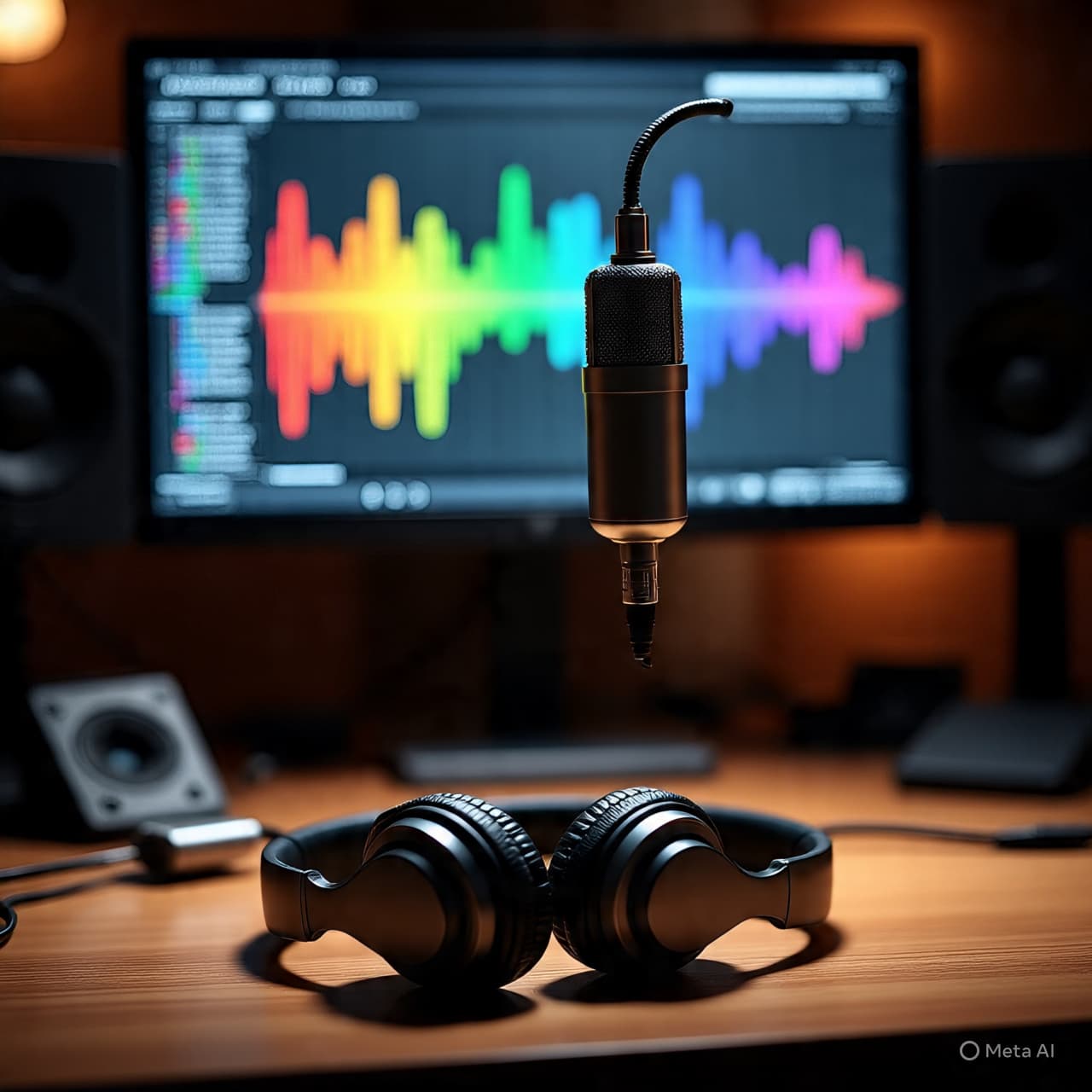
There are moments when recognition arrives not through sight, but through sound. A familiar cadence drifts through a speaker, and for an instant, memory fills in the rest. The human voice carries history in ways few other things can — shaped by breath, discipline, and years of lived experience. For broadcasters, that voice becomes both livelihood and legacy.
That sense of ownership now stands at the center of a dispute involving veteran journalist and tech giant . Greene, widely known for hosting on , has filed a lawsuit alleging that a voice used in Google’s artificial intelligence tool sounds strikingly similar to his own.
The controversy centers on NotebookLM’s “Audio Overview” feature, which generates podcast-style conversations summarizing user-uploaded documents. According to Greene, when he first listened to the tool’s male AI voice, he experienced what he describes as an unsettling recognition. The tone, rhythm, and inflection patterns, he argues, closely resemble the vocal qualities he spent decades refining in newsrooms and studios.
A broadcaster’s voice is rarely accidental. It is trained, moderated, and practiced. Greene’s career — spanning years of live reporting, interviews with global leaders, and early-morning broadcasts to millions — required deliberate shaping of tempo and clarity. To him, those traits are not generic; they are distinctive elements of his professional identity.
In his complaint, Greene contends that the AI-generated voice appropriates that identity without permission or compensation. He argues that listeners could reasonably believe he endorsed or participated in the tool, potentially exposing him to reputational harm if the AI voice delivers content inconsistent with his journalistic standards.
Google has denied the allegations, stating that the voice used in NotebookLM was developed with a paid voice actor and was not modeled after any particular broadcaster. The company maintains that its AI system generates synthetic speech designed to be neutral and widely accessible, not derivative of a specific individual.
The dispute highlights broader tensions emerging as generative AI systems become increasingly lifelike. Voice synthesis technology has advanced rapidly, capable of reproducing subtle vocal textures that once required human nuance. As these tools proliferate, questions of ownership, consent, and likeness grow more urgent.
Legal experts note that U.S. law has previously addressed cases involving sound-alike performers in advertising. However, AI-generated voices operate at scale and with fluid adaptability, raising new questions about how courts will define imitation in a digital era. The central issue may hinge on whether an average listener would genuinely mistake the AI voice for Greene’s own.
Beyond the courtroom, the case reflects a cultural moment. As machines become capable of echoing human traits with remarkable precision, society must consider how personal identity translates into code. A voice, after all, is not merely a sound wave; it is a marker of trust.
In direct terms, David Greene is suing Google, claiming the AI voice in NotebookLM unlawfully mirrors his vocal identity; Google disputes the claim, and the matter will move forward through the legal system.
AI Image Disclaimer Graphics are AI-generated and intended for representation, not reality.
Sources: The Washington Post Reuters Bloomberg The Guardian TechCrunch
Published by Banx Network. This article is part of the Banx decentralized media programme, powered by the BXE token on the XRP Ledger.