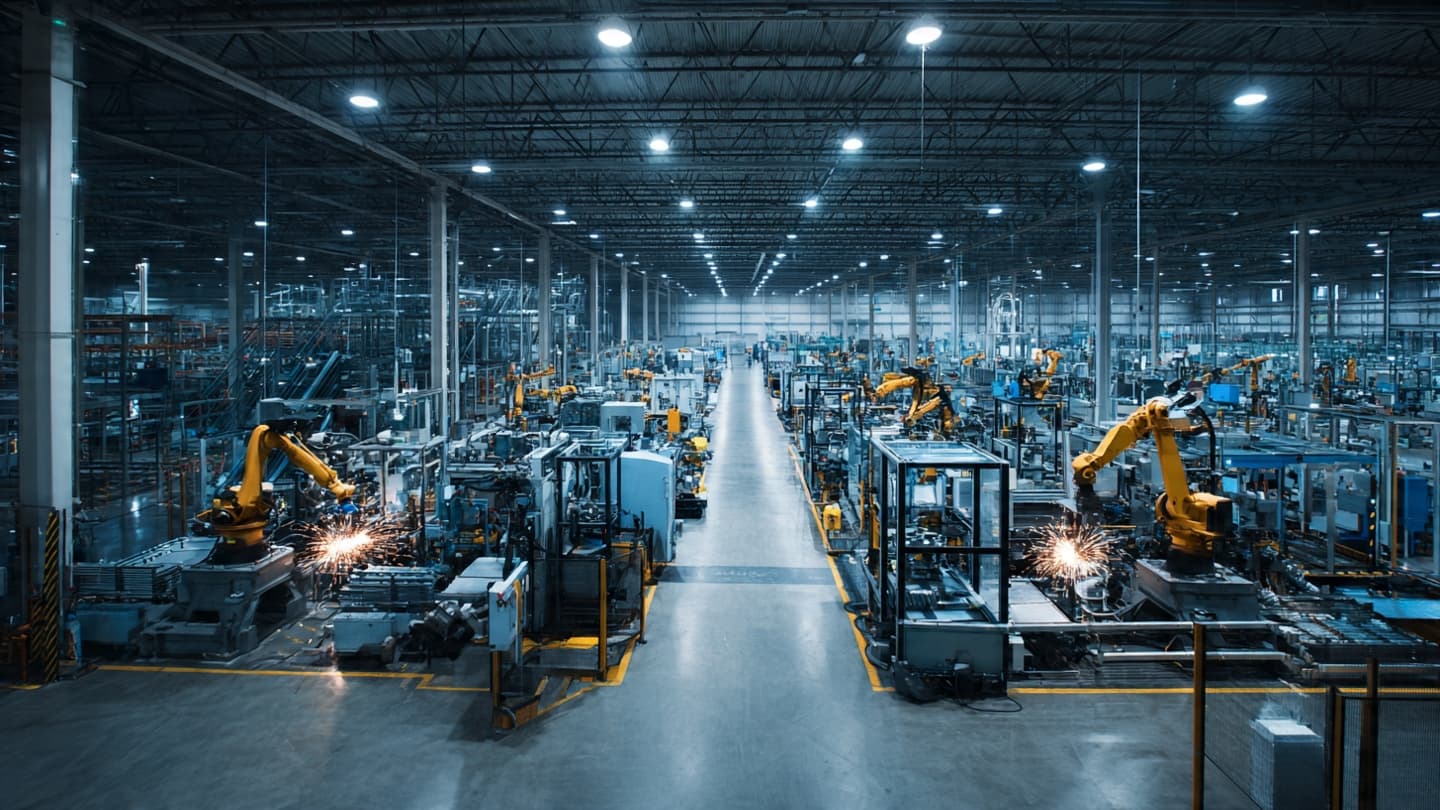
There is a particular sound to a factory coming back to life: machines beginning their cycles, trucks arriving at loading bays, and workers moving through familiar routines. Across the United States, that industrial rhythm strengthened in August as manufacturers saw firmer demand and greater production activity.
The latest manufacturing data showed a continued expansion in U.S. factory activity, supported by stronger new orders and production. The improvement offered another indication that parts of the American economy were maintaining momentum despite uncertainty surrounding costs and global trade.
New orders are among the clearest signs of what may happen next on a factory floor. When companies receive more orders, production schedules can become fuller, suppliers receive new requests and transportation networks begin carrying more materials and finished products.
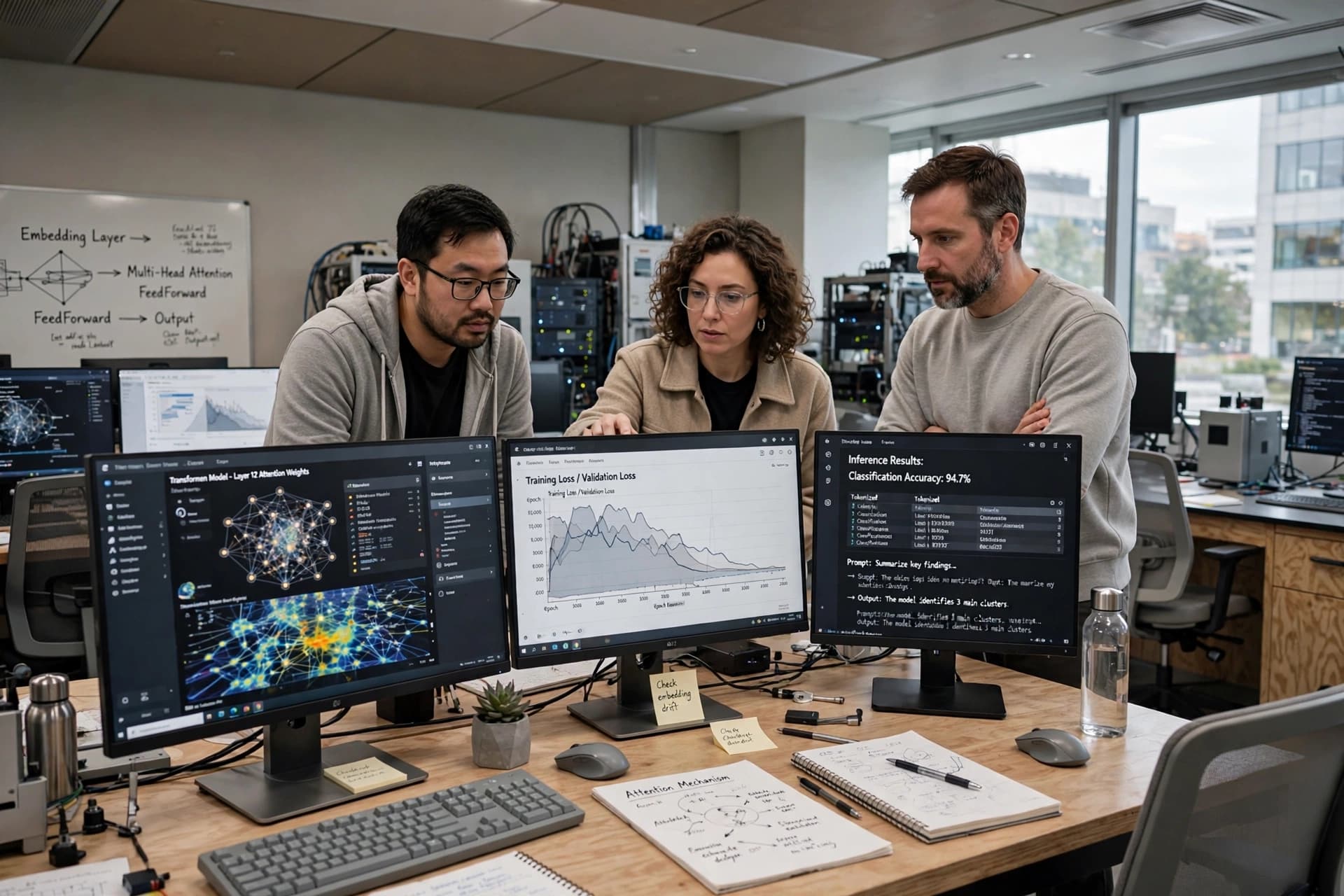
Technology has become an increasingly important part of that industrial landscape. Semiconductor equipment, data center infrastructure, advanced machinery and components connected to artificial intelligence are creating demand across a wide network of manufacturers.
The AI boom is therefore reaching far beyond the companies that build software models. Behind every large computing system are factories producing processors, servers, cooling equipment, electrical components and other infrastructure. The expansion of digital technology is consequently creating a physical industrial footprint.
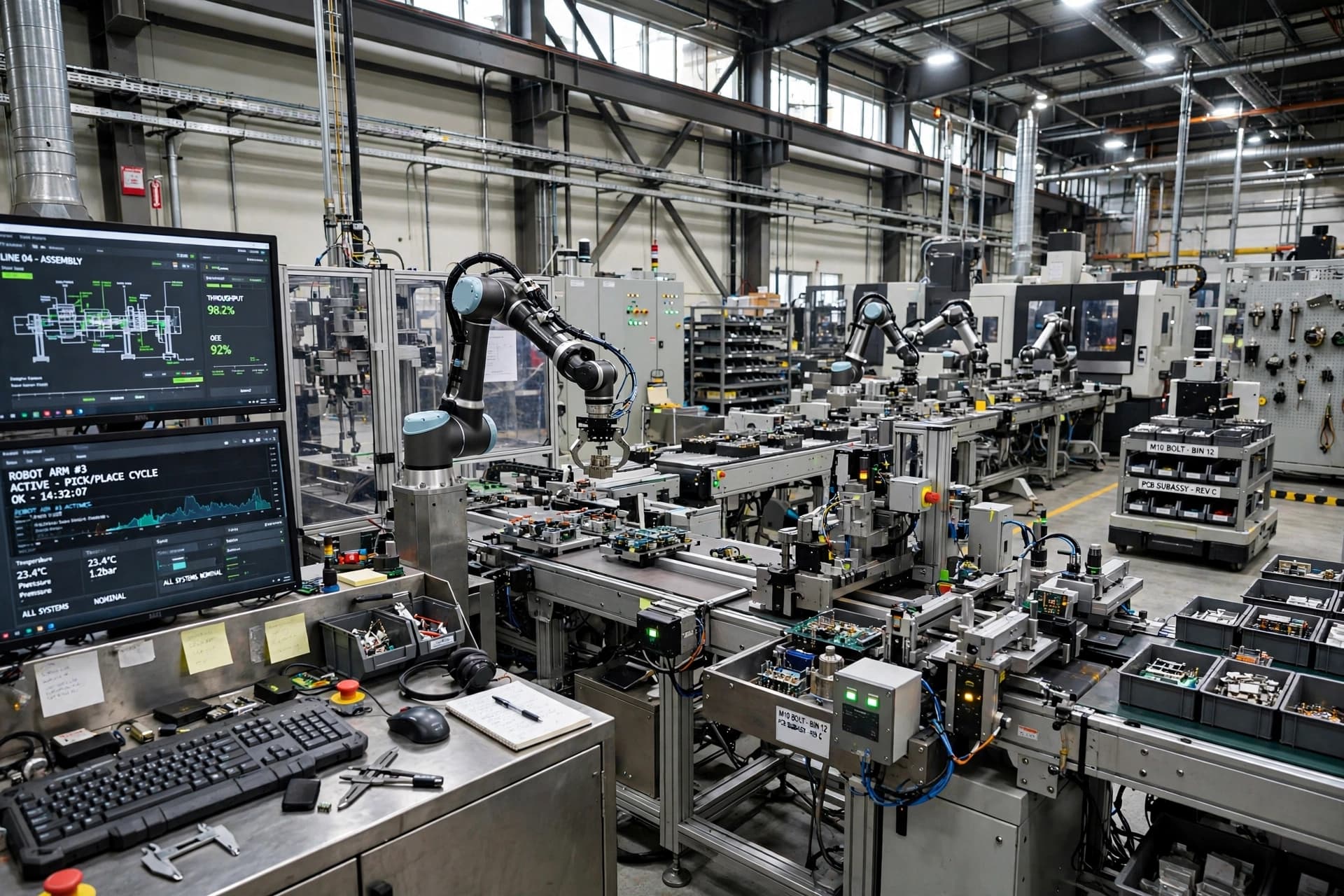
For American manufacturers, this shift can create opportunities to modernize production. Robotics, advanced manufacturing equipment and digital monitoring systems can help factories operate with greater precision while allowing companies to manage increasingly complex production requirements.
Yet stronger orders do not eliminate the pressures facing manufacturers. Input costs, wages, financing conditions and supply-chain disruptions can all influence whether higher demand translates into stronger profitability. Companies must therefore balance expansion with careful management of their operating costs.
The labor market is another part of the equation. Advanced manufacturing increasingly requires workers with technical and digital skills, from equipment maintenance to software-supported production systems. As factories become more automated, the definition of manufacturing work continues to change.
That transformation is particularly visible in regions where new industrial facilities are being built around semiconductors, batteries, energy equipment and other strategic technologies. Investments in these sectors can gradually create new industrial clusters, connecting suppliers, manufacturers, research institutions and logistics networks.
The August improvement therefore carries a significance that extends beyond a single monthly reading. American manufacturing is finding support from stronger orders and technology-related demand, while factories continue adapting to a production environment shaped increasingly by digital systems and advanced machinery.
AI Image Disclaimer These visuals were generated by AI to provide conceptual representations of American manufacturing and do not portray actual factories or events.
Sources Reuters S&P Global Institute for Supply Management U.S. Census Bureau U.S. Department of Commerce
Published by Banx Network. This article is part of the Banx decentralized media programme, powered by the BXE token on the XRP Ledger.