
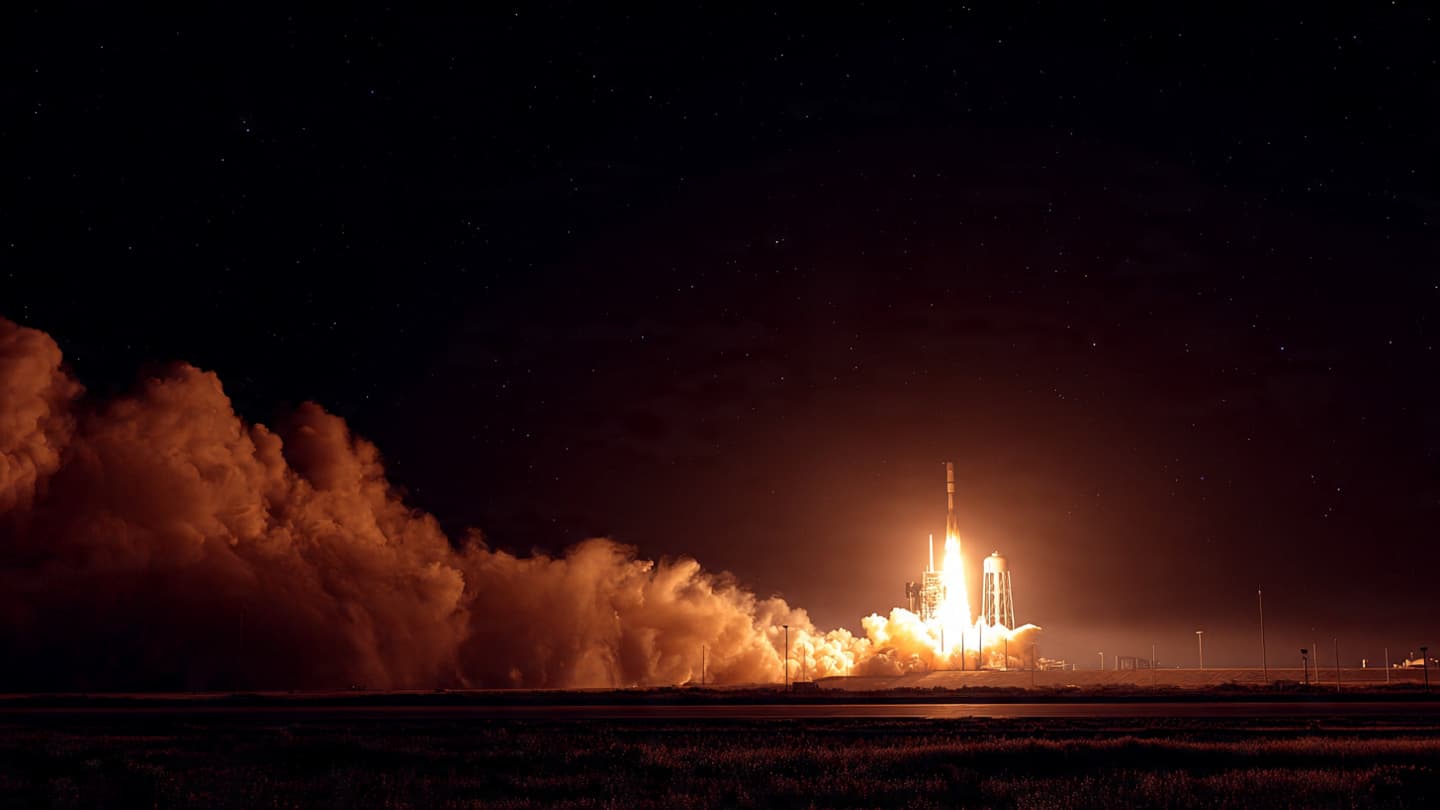
There is a particular silence that follows the end of a rocket test—a silence filled not only with smoke and data, but also with questions about how far human engineering can stretch toward the edge of space. In that space between ambition and outcome, SpaceX’s Starship program continues to evolve under intense global attention.
Body: The Starship system, designed for deep space missions and potential future interplanetary travel, has become one of the most closely watched aerospace projects in the world. Each test flight represents both technical progress and a real-time experiment in high-risk engineering.
During a recent pre-IPO stage test, reports indicated an explosion occurred, disrupting the planned sequence of the flight. While such events are not uncommon in experimental aerospace development, each incident provides valuable data for iterative design improvements.
Engineers typically analyze these outcomes in detail, reviewing propulsion systems, structural integrity, and flight control responses. The goal is not only to identify failure points but also to refine the architecture of future iterations.
The broader context of Starship development reflects a shift in space exploration philosophy—from rare, highly conservative missions to more rapid, iterative testing cycles. This approach accelerates innovation but also increases visible setbacks.
SpaceX’s long-term objectives include reusable launch systems capable of carrying large payloads and eventually supporting missions beyond Earth orbit. These ambitions place the Starship program at the center of modern aerospace experimentation.
Public and scientific observers often interpret each test differently—some as setbacks, others as necessary steps in a longer developmental curve. Both perspectives reflect the complexity of advancing large-scale space systems.
Closing: As testing continues, the Starship program remains a reminder that progress in space exploration is rarely linear, often shaped as much by failure analysis as by successful launches.
AI Image Disclaimer: All visuals associated with this article are AI-generated conceptual illustrations and do not represent real launch footage.
Sources (media names only): Reuters, NASA, SpaceX official updates, BBC Science
Published by Banx Network. This article is part of the Banx decentralized media programme, powered by the BXE token on the XRP Ledger.



