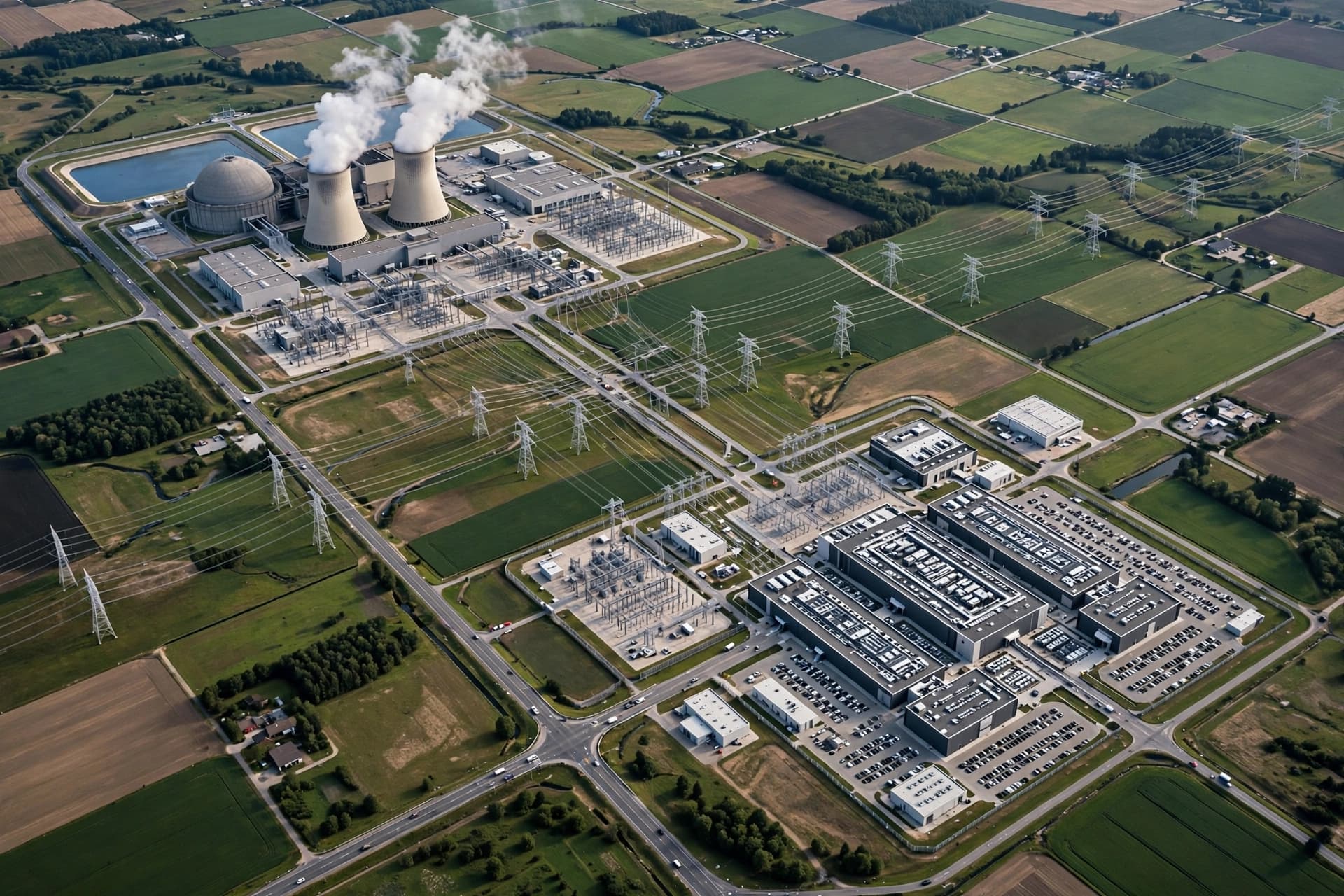
When it was unveiled, Stargate was spoken of in superlatives — an unprecedented commitment to AI data centers and computing power, backed by some of the biggest names in tech, with lofty goals of keeping America on the cutting edge of innovation and jobs creation. Yet now, even as this vast endeavour continues to command attention, its financial underpinnings are drawing sober scrutiny from investors and analysts alike, reminding us that every expedition has its share of unexpected terrain.
In the quiet corridors of financial markets, where lenders and investors meet the hard numbers behind vision, questions are rising about the sustainability of debt issued to fund the first phases of the project’s data centers. JPMorgan Chase, which led a substantial debt raise for Stargate’s infrastructure, is said to be having difficulty finding buyers willing to take on parts of the loans — a sign that some market participants are becoming uneasy with the risk involved.
This uneasiness reflects deeper realities of a venture that, by one estimate, could involve up to $500 billion in AI construction, operations, and supporting systems by the end of the decade. Backed by partners including OpenAI, Oracle, SoftBank and others, Stargate aimed to build tens of thousands of jobs and vast computing capacity, a vision as sweeping as any industrial initiative of the past. But vision alone does not always translate immediately into investor confidence. When credit rating agencies consider lowering the credit standing of a key corporate infrastructure partner, borrowing costs could climb higher, making future financing more costly and complex.
The situation has unfolded much like a journey where the first few miles are smooth but the next hills prove steeper than expected. Analysts note that while the initial data centers have been fully financed, the appetite for additional debt issuance is weakening as lenders evaluate how much exposure they are willing to carry.
Such dynamics are not uncommon when projects of extraordinary scale are launched. History shows that the interplay between visionary goals and financial appetite can be unpredictable: sometimes the spark of ambition ignites broad support, and at other times it requires recalibration and patient pacing. In this case, the conversation in markets — measured and cautious — is part of that process.
For all the talk around grand AI ambitions, the practical side of building data centers — their cost, energy use, and long-term return on investment — remains at the center of industry and investor discussions. As stakeholders look ahead, they are balancing the promise of technological leadership with the realities of financing and market discipline.
In the weeks to come, observers will be watching whether Stargate’s backers adjust their strategy, secure alternative funding, or reshape the venture’s debt structure. For now, what is clear in this chapter of America’s AI story is that even bold aspirations must pass through the all‑important gate of financial viability.
Reporting on this evolving situation indicates that the project continues to move forward, though the road ahead may require new negotiations and fresh confidence from the markets that seek to support its future.
AI Image Disclaimer Images in this article are AI‑generated illustrations, meant for concept only.
Sources Futurism Yahoo Finance (syndicated) Business Insider Wikipedia (Stargate LLC) Wikipedia (The Stargate Project)
Published by Banx Network. This article is part of the Banx decentralized media programme, powered by the BXE token on the XRP Ledger.