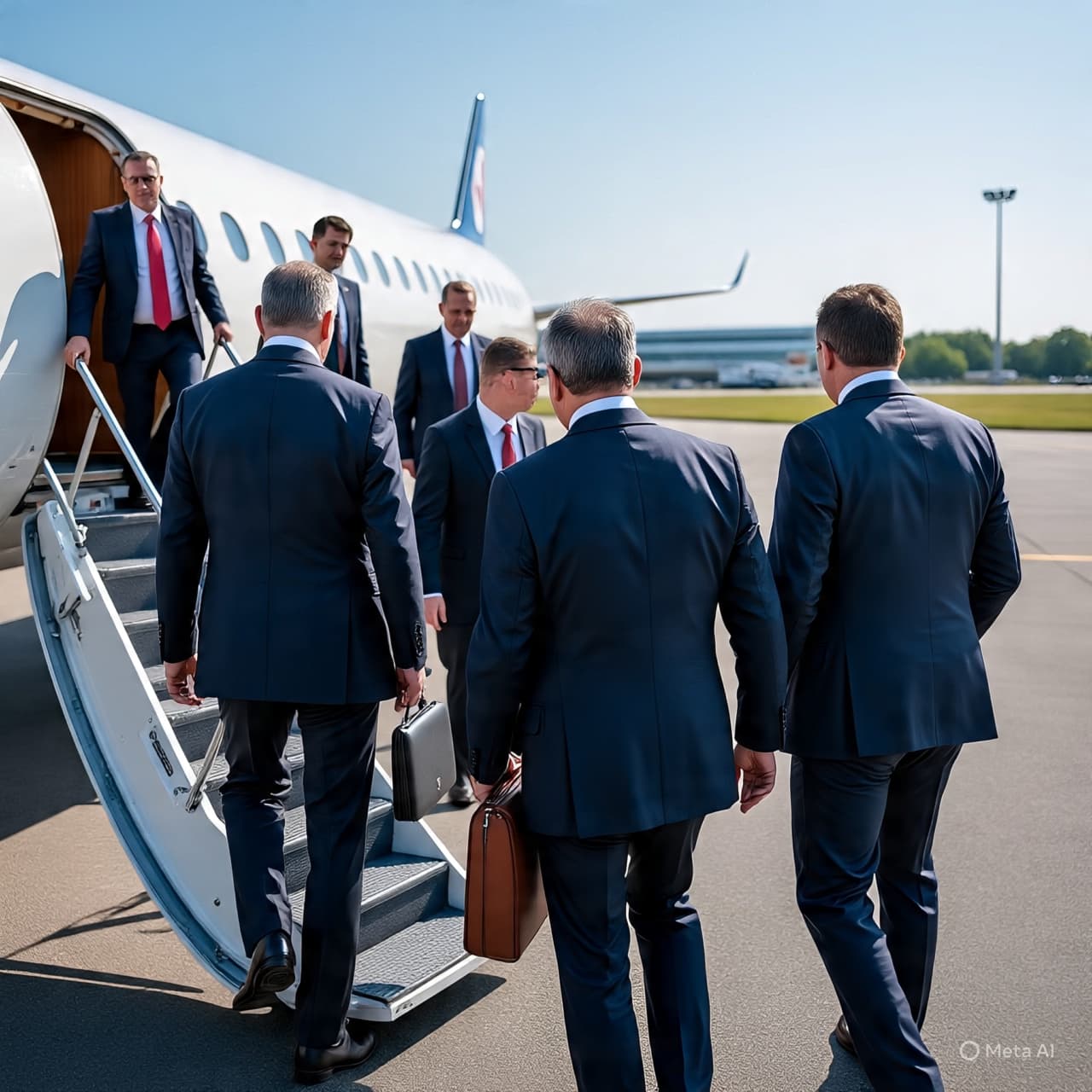
In the final weeks of December 2025, nearly 30 career diplomats serving as U.S. ambassadors and senior embassy officials received notices that their overseas tenures would come to an unforeseen close in January. These diplomats, many of whom began their service under the previous administration and had stayed on through early months of the current one, suddenly found their assignments ending sooner than expected.
From the rolling plains of Africa to island capitals in the Pacific, and from the vibrant cities of Europe to diplomatic posts in Asia and the Middle East, these seasoned professionals had quietly carried Washington’s voice abroad. Their roles, often defined by nuance, patience, and years of cultivated trust, stood at the front lines of international engagement.
Officials in the U.S. State Department have framed the recalls as part of a president’s prerogative underscoring that ambassadors serve “at the pleasure of the president” and should reflect the administration’s policy priorities. To supporters of the move, this alignment is seen as a natural expression of democratic leadership and foreign policy direction.
Yet, for many within diplomatic circles, the manner and speed of the recalls have raised both surprise and concern. Career Foreign Service officers are traditionally seen as apolitical stewards of American diplomacy, working across administrations to maintain continuity and longstanding relationships. To see them return to Washington with hastened notices has stirred unease about the effects on institutional knowledge and the ongoing work of embassies abroad.
The American Foreign Service Association, representing U.S. diplomats, spoke of the recalls in terms that reflect the quiet apprehension felt among many professionals: that such abrupt changes may unsettle long-term efforts in critical regions and shift the rhythm of international dialogue.
Still, as the sun rises and diplomats prepare for their next assignments, the State Department reassures that those affected are not losing their careers only being repositioned, with opportunities for roles back in Washington or elsewhere. In the delicate balance that is global diplomacy, such procedural shifts echo widely, even if their intentions are spoken softly by officials in guarded briefings.
AI Image Disclaimer (rotated wording) Visuals are created with AI tools and are not real photographs.
Sources The Washington Post. Reuters. ABC News. AP News (Associated Press). The Guardian.
Published by Banx Network. This article is part of the Banx decentralized media programme, powered by the BXE token on the XRP Ledger.