Sometimes diplomacy resembles a carefully balanced bridge stretched across restless waters. Nations walk across it with measured steps, aware that every word, every decision, and every refusal can send small vibrations through the structure. Most of the time the bridge holds. Yet occasionally, a single disagreement can cause the planks to creak loudly enough for the world to notice.
That tension surfaced this week between Washington and Madrid.
In remarks that quickly echoed across international headlines, Scott Bessent criticized Spain’s government, arguing that its recent stance during the escalating conflict with Iran had placed American lives at risk. His comments came amid growing diplomatic friction over Spain’s refusal to allow U.S. forces to use jointly operated military bases on Spanish soil for operations connected to the conflict.
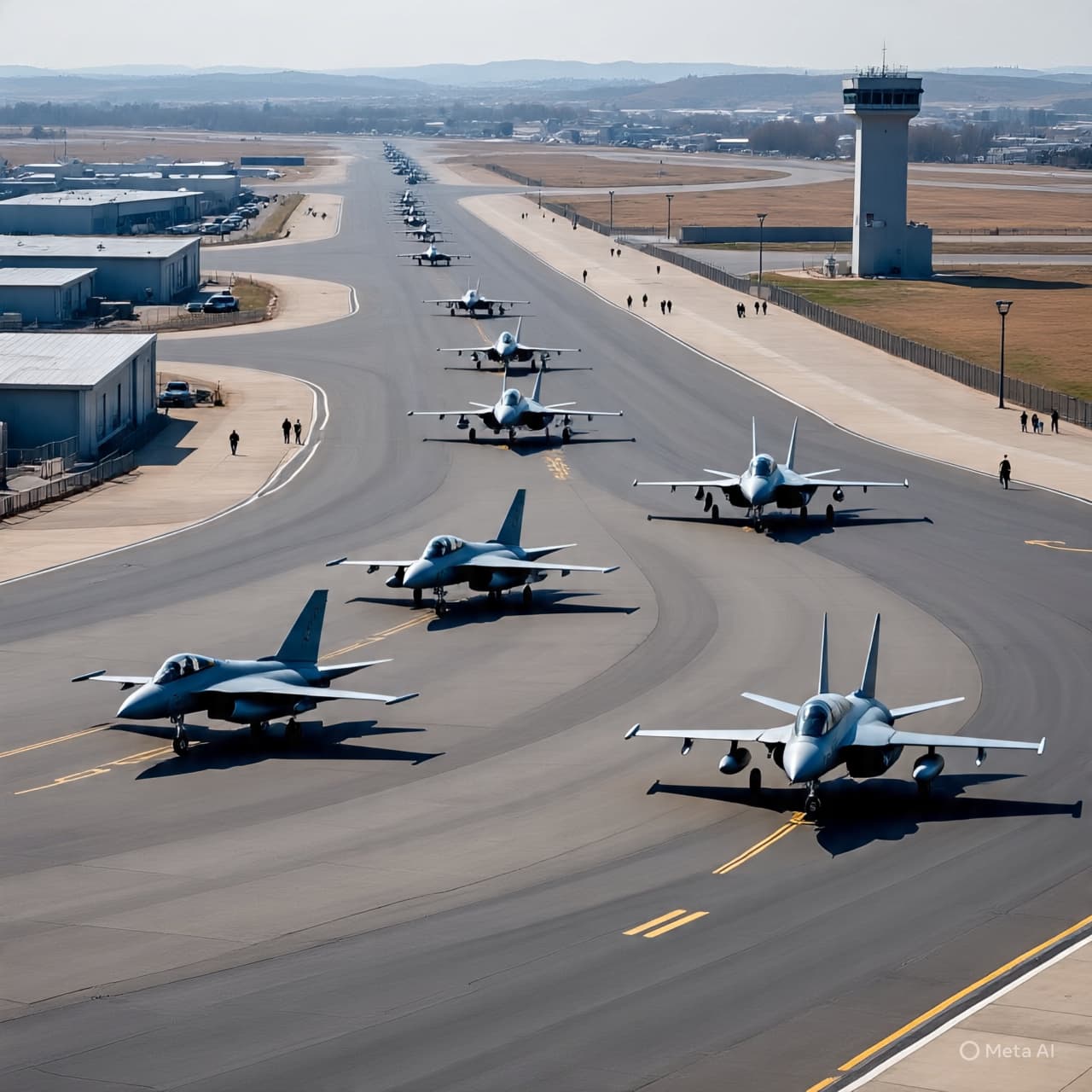
The disagreement centers on two bases in southern Spain—Rota and Morón—long used as part of the military cooperation between the United States and its European ally. Under existing agreements, both countries coordinate how these facilities are used. During the latest phase of military activity linked to Iran, Spanish authorities declined to permit their use for offensive operations.
For Washington officials, the refusal was more than a procedural issue. Speaking in an interview, Bessent said that any obstacle slowing military operations could endanger American personnel involved in the campaign. “Anything that slows down our ability to engage and prosecute this war in the fastest, most effective manner puts American lives at risk,” he said, adding that Spain’s position had done precisely that.
Madrid, however, has presented the matter in a very different light.
Spain’s prime minister, Pedro Sánchez, has maintained a clear opposition to the widening military confrontation with Iran. In public statements, he described the conflict as dangerous and urged diplomatic solutions rather than escalation. Sánchez summarized his government’s stance in simple terms: “No to war.”
The Spanish government has emphasized that decisions regarding military facilities must follow national law and international commitments. Officials also warned that expanding military operations in the region risks repeating the painful lessons of earlier Middle East conflicts.
The disagreement has unfolded against the backdrop of broader tensions between Washington and some European capitals over the handling of the Iran crisis. Political leaders across Europe have expressed concern that the conflict could spiral further, affecting regional stability and global economic conditions.
Complicating matters further are economic signals emerging from Washington. U.S. officials have suggested the possibility of trade measures against Spain, though the practical implementation of such steps remains uncertain because Spain’s trade relations are negotiated through the European Union as a whole.
Diplomatic disputes between allies are hardly new, particularly during periods of international crisis. Yet the current moment carries additional weight because it touches both military coordination and economic ties—two pillars that have long supported the transatlantic partnership.
For observers of international relations, the episode reflects a broader question about how alliances adapt when national priorities diverge. Countries that often stand together on security matters can still disagree on how and when military power should be used.
For now, the disagreement remains largely rhetorical. Spain continues to oppose participation in the military campaign, while U.S. officials continue to stress the importance of operational flexibility for their forces.
As the wider conflict in the Middle East evolves, diplomatic conversations between Washington, Madrid, and other allies are expected to continue. The immediate situation remains unchanged: Spain has not authorized the use of its bases for the operation, and American officials have expressed frustration with that decision.
The bridge of diplomacy, though strained, remains in place.
AI Image Disclaimer Graphics are AI-generated and intended for representation, not reality.
Sources Associated Press Reuters The Guardian Financial Times TIME
Published by Banx Network. This article is part of the Banx decentralized media programme, powered by the BXE token on the XRP Ledger.