
Key Highlights
- Diplomatic tensions have escalated between Washington and Madrid over military operations.
- U.S. officials criticize Spain's refusal to allow base use amid the Iran conflict.
- Spanish Prime Minister Pedro Sánchez emphasizes a diplomatic approach to the crisis.
The delicate balance of international diplomacy is once again tested, this time between the United States and Spain. Recent remarks by Scott Bessent, a U.S. official, have highlighted a growing rift over Spain's refusal to permit the use of its military bases for operations related to the escalating conflict with Iran. This disagreement has significant implications for both nations, as it touches on military cooperation and broader geopolitical strategies.
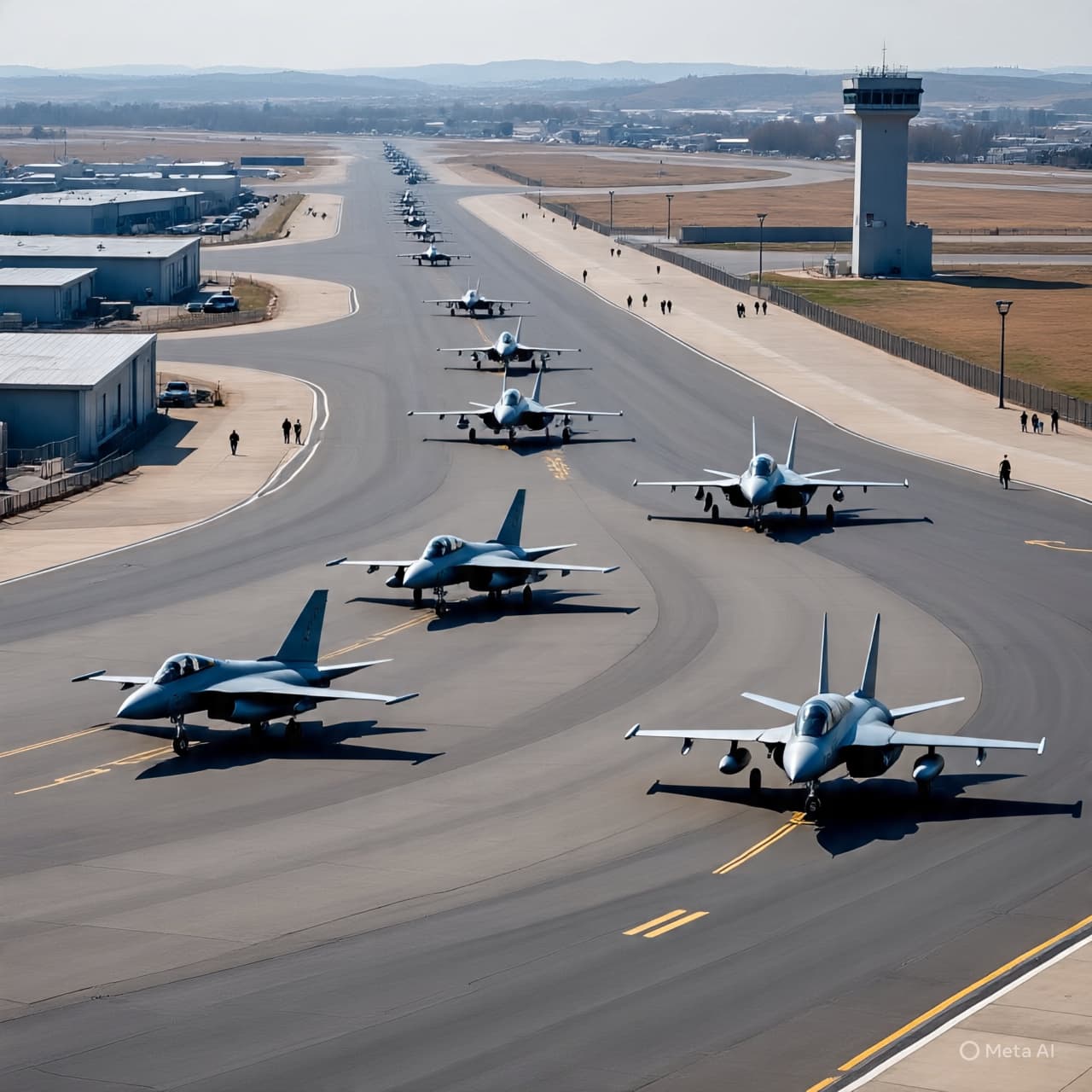
Bessent's comments, which have reverberated through international media, assert that Spain's stance endangers American lives. He pointedly remarked that any delay in military operations could jeopardize personnel involved in the ongoing campaign against Iran. The bases in question, Rota and Morón, have historically served as critical points for U.S. military operations in Europe, and their restricted use during this tense period has raised alarms in Washington.
In stark contrast, Spanish Prime Minister Pedro Sánchez has publicly opposed the escalation of military action in the region. He has consistently advocated for diplomatic solutions, framing the conflict as a dangerous path that could lead to further instability. Sánchez's government has reiterated that decisions regarding military facilities must adhere to national laws and international obligations, emphasizing a commitment to peace over conflict. His declaration, “No to war,” encapsulates the Spanish position amid rising tensions.
The backdrop of this disagreement is a broader context of unease among European nations regarding the Iran crisis. Many leaders across the continent are wary of the potential for the conflict to spiral out of control, affecting not only regional stability but also global economic conditions. This sentiment has fueled discussions about the need for a unified European response, complicating the dynamics of U.S.-European relations.
Adding another layer of complexity, U.S. officials have hinted at potential trade measures against Spain, although the feasibility of such actions is uncertain. Spain's trade agreements are primarily negotiated through the European Union, which could limit Washington's ability to impose unilateral sanctions. This situation underscores the intricate web of economic and military ties that bind the transatlantic partnership.
Diplomatic disputes among allies are not uncommon, especially during crises. However, the current situation is particularly significant as it involves both military coordination and economic relations—two foundational elements of the U.S.-Spain alliance. Observers of international relations are left to ponder how such alliances can adapt when national priorities diverge.
As the conflict in the Middle East continues to evolve, the dialogue between Washington and Madrid is expected to persist. For now, the immediate situation remains unchanged: Spain has not authorized the use of its bases for military operations, and U.S. officials continue to express their frustration. The bridge of diplomacy, while strained, remains intact, but how long it can hold under pressure remains to be seen.
Published by Banx Network. This article is part of the Banx decentralized media programme, powered by the BXE token on the XRP Ledger.



