It says something about this era that the trigger is not a tank, not a missile, not even a soldier — but suspicious drones.
Belgium believes Russian intelligence devices have been entering its airspace. And now the United Kingdom is stepping in to help protect Belgian territory. The alliance is quiet, almost procedural, but it carries a loud message: NATO’s perimeter has become digital, aerial, and constant.
There is an old belief that Europe’s borders are well defended by geography — seas, rivers, mountain arcs. That is now an outdated comfort. The modern threat is not physical mass. It is data collection, signal interception, mapping of infrastructure, and probing for vulnerabilities in energy grids and ports.
A drone is not just a drone.
It is a reconnaissance hypothesis.
And Britain understands that.
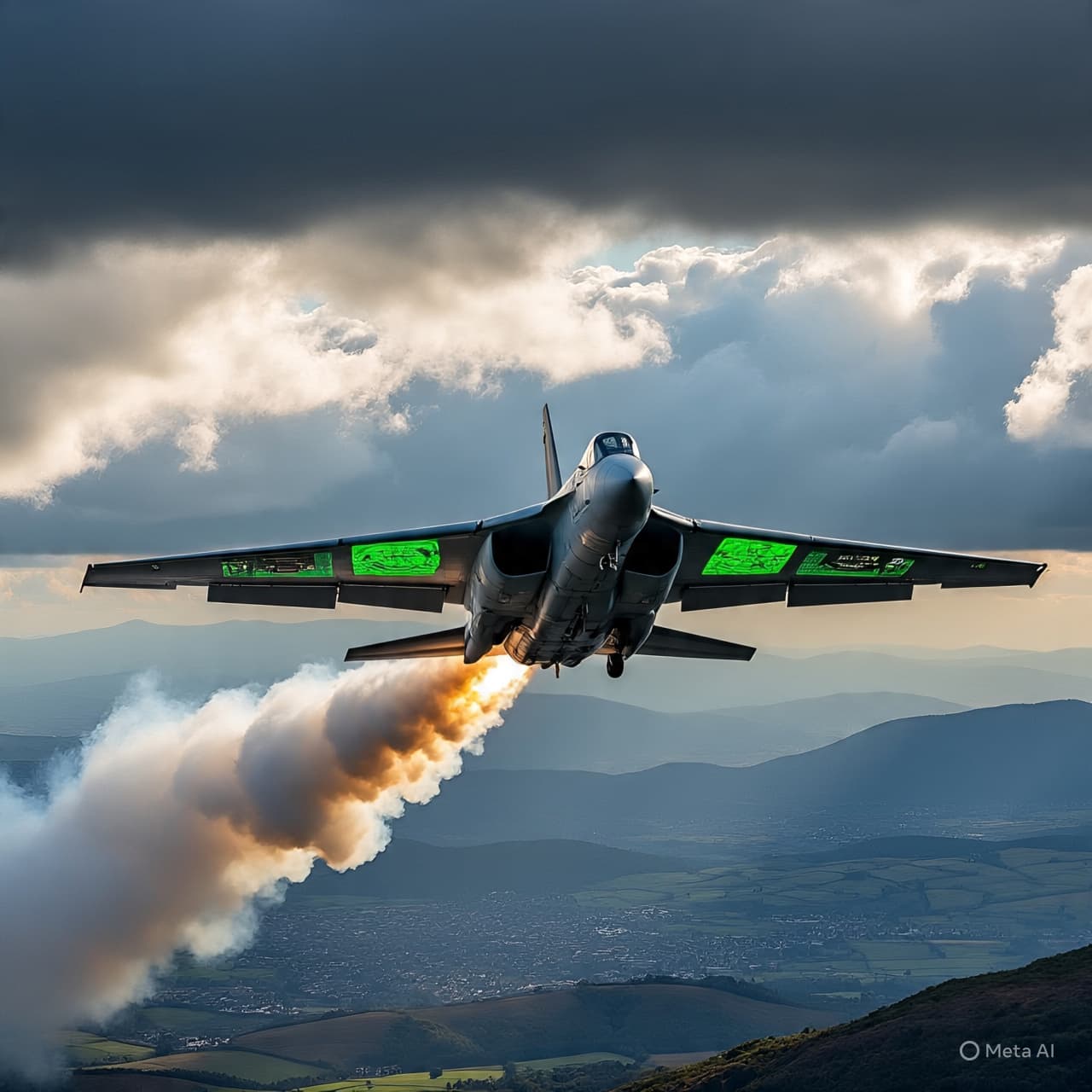
The U.K. has some of the most advanced airborne surveillance tooling in Europe. Its military aircraft, its radar crews, its electronic warfare units — all of them are part of a machine built in the long shadow of the Cold War, then refined in the counter-terror era, and now redirected toward state-level digital probing.
Helping Belgium is not charity. It is self-preservation by proximity. Belgium hosts NATO institutions that matter: the alliance nerve center in Brussels, European Union institutions, and critical policy infrastructure. A Russian drone near Belgium is a Russian drone near NATO’s administrative brain.
So this new cooperation is not an announcement of war, but a confirmation of reality:
European airspace is now a single nervous system.
One intrusion anywhere is tension everywhere.
Published by Banx Network. This article is part of the Banx decentralized media programme, powered by the BXE token on the XRP Ledger.