
Key Highlights
- Spain has declined to authorize U.S. military operations from its bases amid rising tensions with Iran.
- The decision reflects a recalibration of Spain's foreign policy priorities and public sentiment.
- Spain's stance underscores the importance of sovereignty in transatlantic relations.
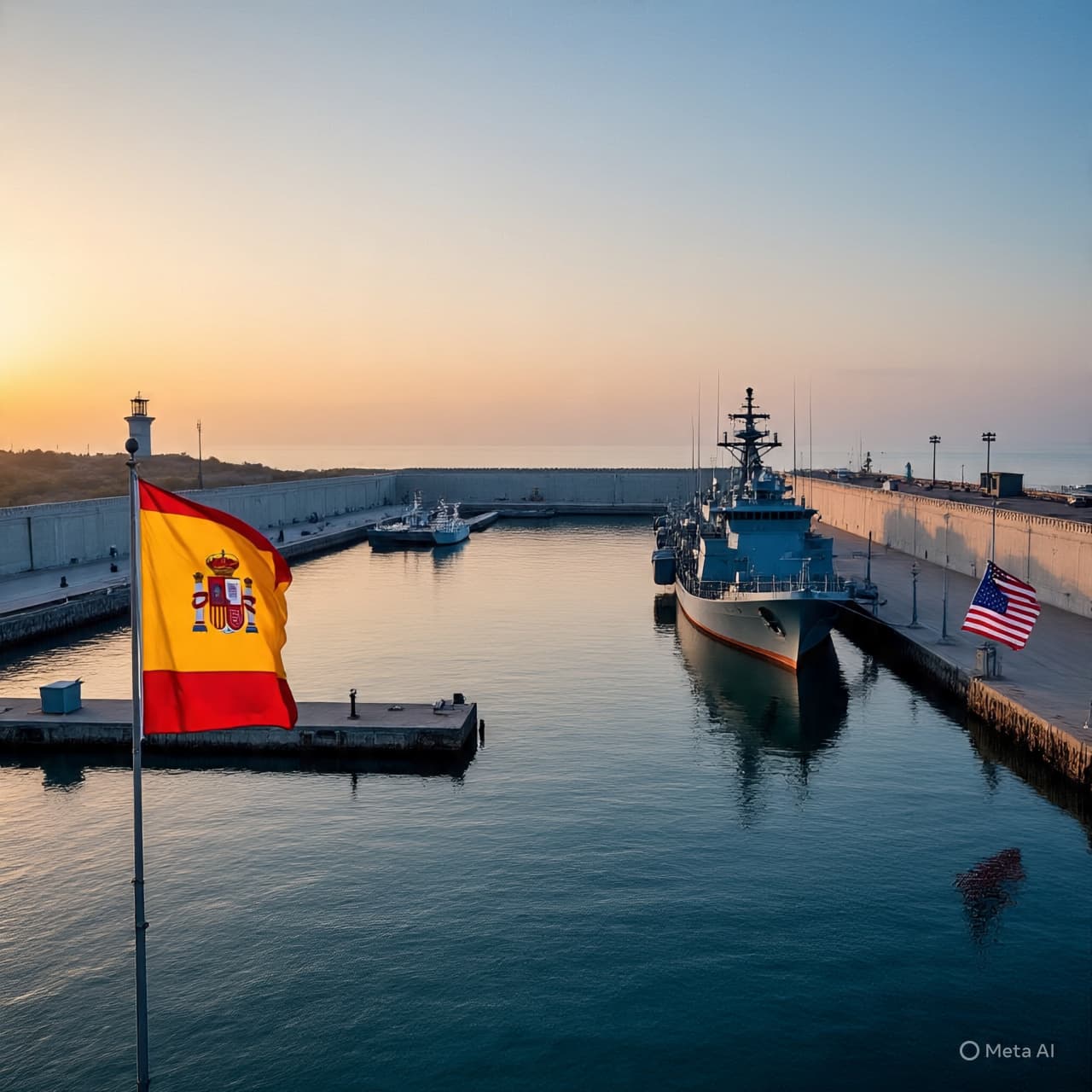
Spain is currently navigating a pivotal moment in its foreign policy, marked by a quiet yet significant refusal to permit the use of its military bases for U.S. operations targeting Iran. This decision comes at a time of heightened tensions in the Middle East, particularly following former U.S. President Donald Trump’s hardline stance on Tehran. The implications of Spain's choice extend beyond mere logistics; they resonate deeply within the framework of transatlantic alliances and European diplomacy.
The military bases in question, including Naval Station Rota and Morón Air Base, have long served as symbols of the robust partnership between Spain and the United States. These installations operate under bilateral defense agreements that necessitate consultation and, in many cases, explicit authorization for offensive operations. Spain's recent decision to withhold such authorization reflects a careful consideration of both domestic and international factors, rather than a straightforward act of defiance.
Within the broader European context, Spain's position aligns with a prevailing sentiment that favors diplomatic engagement over military escalation. The European Union has consistently advocated for dialogue with Iran, particularly concerning nuclear negotiations and regional stability. By signaling its reluctance to endorse military action, Spain appears to be reinforcing its commitment to a diplomatic approach, which resonates with the collective European perspective.
Public opinion in Spain also plays a crucial role in shaping the government's stance. The memories of past military involvements, particularly the controversial participation in the Iraq War, have left a lasting impact on the national psyche. This historical context has fostered a more cautious approach toward military engagements perceived as unilateral or preemptive. As such, Spain's decision can be seen as a reflection of a broader desire to prioritize national sovereignty and public trust over external pressures.
For the United States, access to overseas military bases is not only a logistical necessity but also a strategic advantage. Spain's refusal to authorize operations from its territory introduces new operational challenges for U.S. military planning. However, it is essential to note that this decision does not signify a complete breakdown of the alliance. NATO commitments remain intact, and cooperation continues in various other domains, highlighting the complexity of international relationships.
Iran is undoubtedly monitoring these developments closely. Each diplomatic hesitation and every withheld authorization can shift the dynamics of deterrence in the region. In the intricate landscape of geopolitics, both physical and political distances matter significantly. Spain's stance may also reflect a growing unease within Europe regarding policies perceived as unilateral, further complicating the transatlantic relationship.
Despite the challenges, the transatlantic alliance has historically demonstrated resilience. While trade disputes and differing approaches to global crises have tested its strength, such moments often serve to reinforce the bond rather than sever it. Spain's current decision underscores a fundamental truth: sovereignty remains a powerful currency in international relations. National governments must carefully weigh the risks associated with security, stability, and public perception.
As diplomatic discussions continue and strategic calculations evolve, Spain's message remains clear: cooperation is welcome, but escalation is not an automatic response. This episode serves as a reminder that alliances are dynamic arrangements, requiring ongoing negotiation and mutual respect. In an era characterized by rapid change and uncertainty, Spain has chosen the path of deliberation, emphasizing the importance of balance in international relations. The future of this delicate equilibrium will depend on how both Spain and its allies navigate the complexities of the coming days.
Published by Banx Network. This article is part of the Banx decentralized media programme, powered by the BXE token on the XRP Ledger.



