

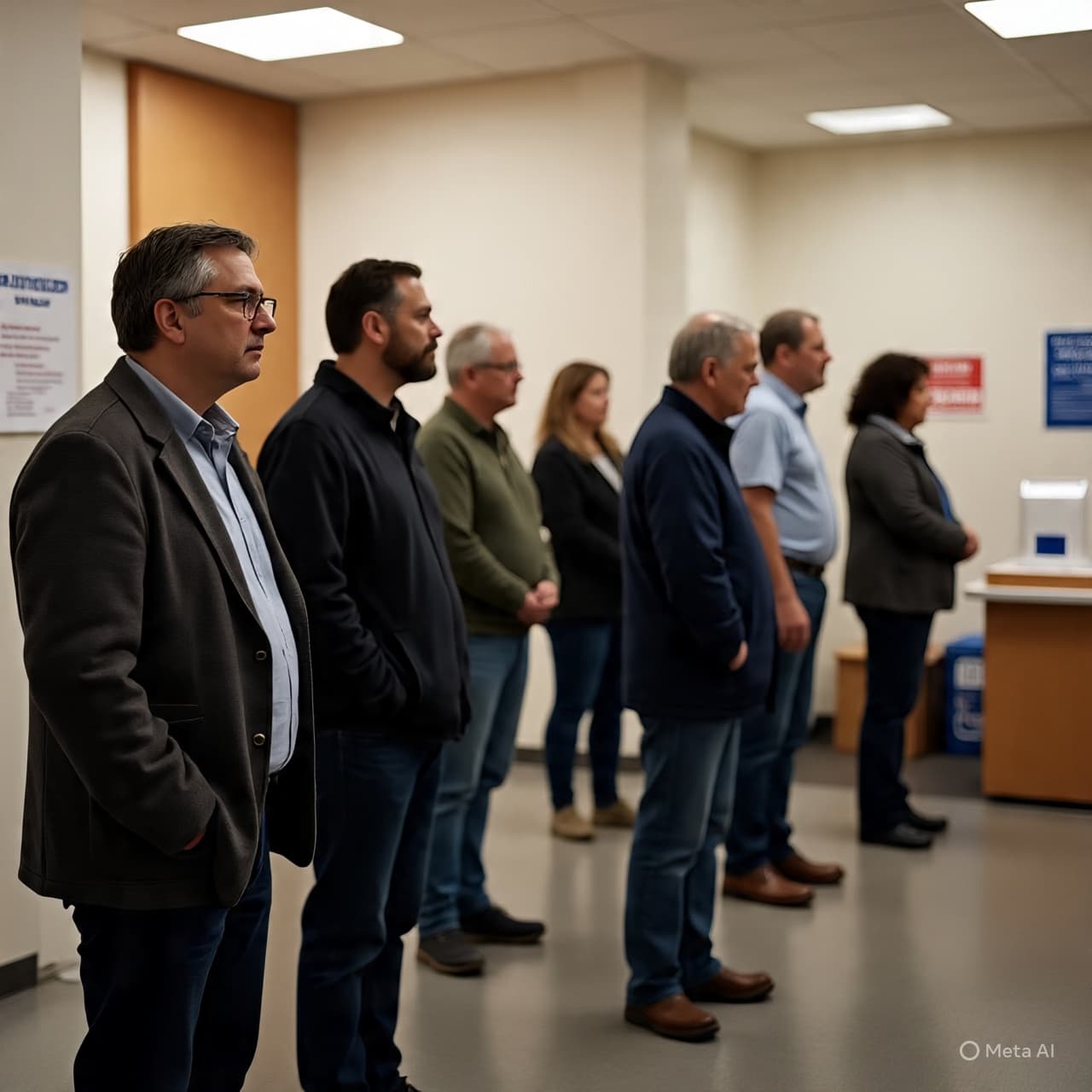
Key Highlights
- Runoff Election:Georgia voters face a pivotal choice in a runoff election.
- Political Tensions:The election follows a notable dispute between Marjorie Taylor Greene and Donald Trump.
- Voter Priorities:Candidates are defining their campaigns around key issues like economic stability and healthcare.
The political landscape in Georgia is undergoing a significant transformation as voters prepare for a crucial runoff election. This election is not just about filling a vacant seat; it represents a moment of clarity in a state where political alliances have recently been tested. The runoff follows a public dispute between Marjorie Taylor Greene and former President Donald Trump, which has left many voters questioning the direction of their representation.
Runoff elections are often seen as decisive moments in the electoral process. They narrow the field of candidates and sharpen the focus on the issues that matter most to constituents. In this case, the stakes are particularly high, as the fallout from the Greene-Trump dispute has created a vacuum in political alignment, prompting candidates to redefine their positions and appeal to a diverse electorate.
Candidates in the runoff are taking varied approaches to their campaigns. Some are emphasizing continuity and loyalty to established political figures, while others are positioning themselves as fresh alternatives to the status quo. This divergence reflects broader questions about identity and representation in a rapidly changing political environment. Voters are not merely choosing between candidates; they are making a statement about the future direction of their state and its political landscape.
Georgia's recent electoral history has been marked by a dynamic interplay of shifting coalitions and increasing voter engagement. The state has become a focal point for national political trends, and this runoff adds another layer to its complex narrative. Analysts suggest that internal disputes within political ranks can significantly influence voter sentiment and campaign strategies, creating opportunities for new voices to emerge in the political discourse.
As candidates focus their messaging on key issues such as economic stability, healthcare, and governance, there is an underlying theme of navigating division. Voters are faced with a choice that extends beyond individual candidates; it is about reaffirming familiar paths or exploring new approaches in governance. The outcome of this runoff will not only determine who represents Georgia but will also signal how political relationships and alliances shape electoral realities moving forward.
As ballots are cast and counted, the implications of this runoff will resonate beyond the immediate election. It serves as a reminder that even in times of discord, the democratic process continues to provide a pathway for change and representation in Georgia.
Published by Banx Network. This article is part of the Banx decentralized media programme, powered by the BXE token on the XRP Ledger.




