

Key Highlights
- UK Prime Minister Keir Starmer signals renewed interest in European ties amid global tensions.
- The shift reflects a pragmatic approach to geopolitical stability post-Brexit.
- European leaders are open to closer cooperation with the UK, addressing shared security concerns.
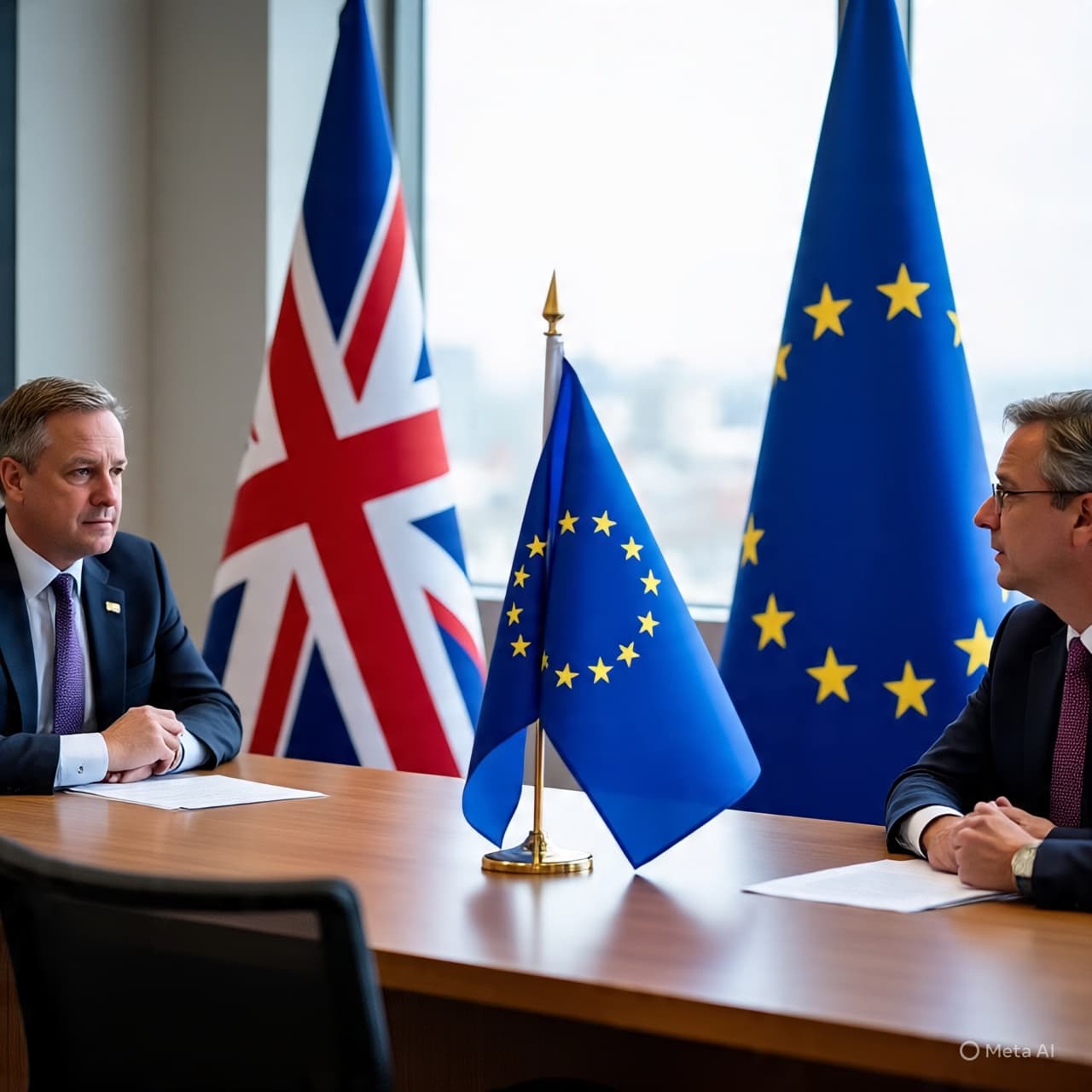
The landscape of international alliances is often fluid, resembling shifting tides rather than fixed structures. Recently, UK Prime Minister Keir Starmer has indicated a potential recalibration of the United Kingdom's foreign policy, suggesting a renewed focus on strengthening ties with European partners. This shift comes at a time when traditional alignments, particularly with the United States, are experiencing strains due to various geopolitical challenges, including rising tensions in the Middle East.
Starmer's remarks reflect a pragmatic approach to the UK's post-Brexit reality. Since leaving the European Union, the UK has navigated a complex web of negotiations and adjustments. However, the current geopolitical climate, marked by conflicts involving Iran and its broader implications, has prompted a reassessment of the UK's strategic priorities. The Prime Minister's call for closer engagement with Europe suggests an understanding that geographical and diplomatic proximity may provide a more stable platform for addressing international challenges.
The ongoing tensions surrounding Iran have drawn renewed global attention, influencing not only regional dynamics but also the relationships among Western allies. As the UK and the US navigate their respective responses to these challenges, differences in strategy and tone have become more apparent. This divergence, while subtle, underscores the importance of the UK's relationship with Europe, particularly as crises unfold in close proximity to its borders.
European leaders appear receptive to the UK's overtures for closer collaboration. Shared concerns over security, energy, and regional stability have created opportunities for renewed dialogue. This evolving relationship is not a return to previous arrangements but rather a reimagined partnership focused on practical cooperation rather than formal structures. The potential for collaboration reflects a broader trend in international relations, where nations adapt to changing circumstances and reassess old ties while exploring new connections.
Despite these developments, the tone of the discourse remains cautious. Starmer's call for closer ties with Europe does not diminish the significance of the transatlantic relationship, nor does it indicate a dramatic policy shift. Instead, it introduces a nuanced perspective that recognizes the value of flexibility in a world characterized by overlapping crises. The UK seems to be balancing its historical ties with the US while acknowledging the importance of European partnerships.
As the situation unfolds, the coming months will likely provide greater clarity regarding the trajectory of these relationships. Diplomatic engagements, policy decisions, and international developments will all play a role in shaping the future of UK-European relations. What is clear is that the conversation around these alliances has begun, marked by a steady and deliberate tone rather than urgency.
Published by Banx Network. This article is part of the Banx decentralized media programme, powered by the BXE token on the XRP Ledger.




