
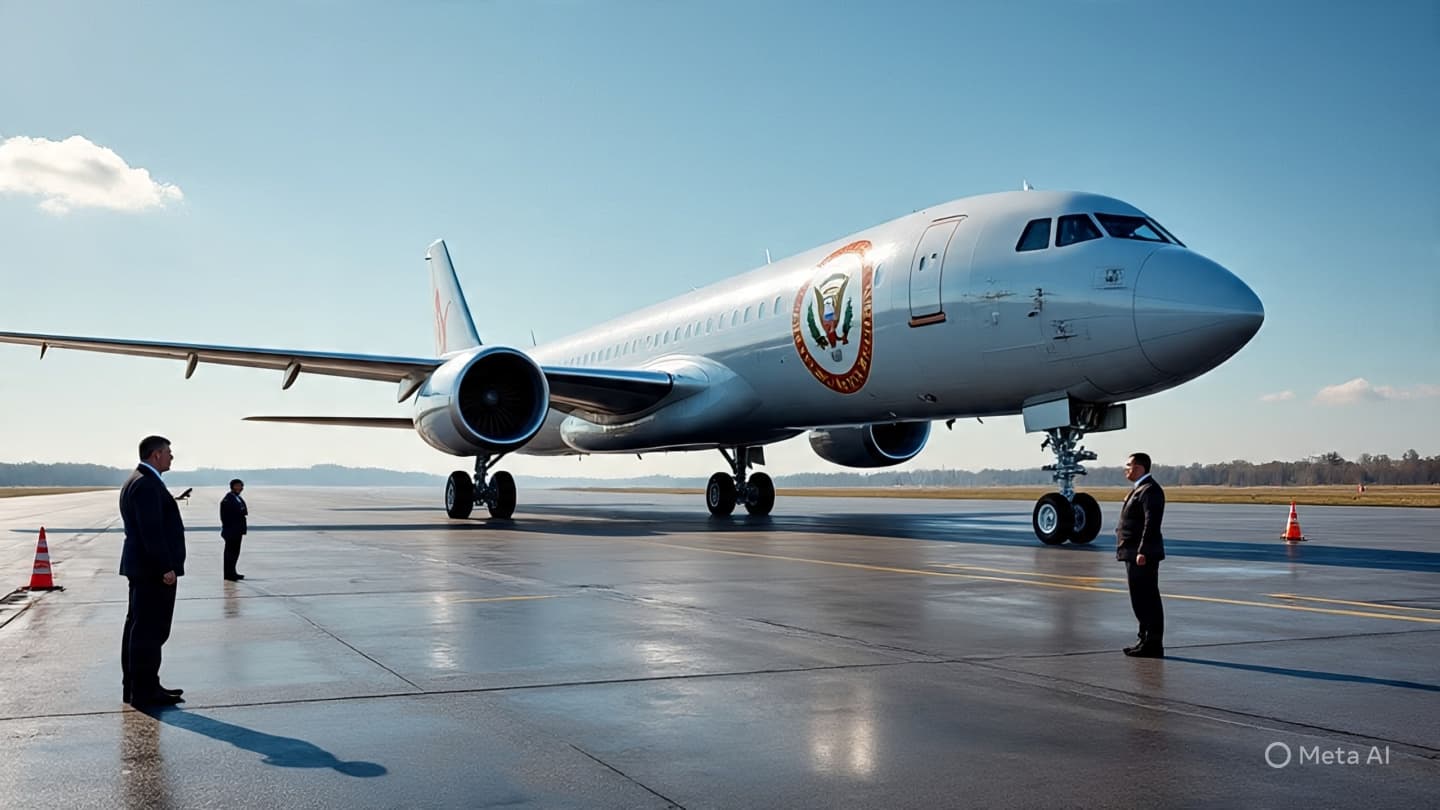
Key Highlights
- Air routes reflect deeper diplomatic alignments amid geopolitical tensions.
- China praises countries restricting flights for Taiwan’s president.
- Taiwan seeks international visibility despite travel restrictions.
The intricate relationship between air routes and diplomacy has become increasingly evident in recent months, particularly in the context of Taiwan's international engagements. As political dynamics shift, the paths taken—or not taken—by airlines often speak volumes about the underlying geopolitical currents. In East Asia, where tensions between China and Taiwan remain high, these air routes are not merely logistical decisions; they are laden with diplomatic significance.
China has recently expressed approval for countries that have restricted or blocked flight access for Taiwan’s president. This move underscores the ongoing sensitivities surrounding Taiwan's political status and its quest for international recognition. The “One China” principle, which Beijing staunchly upholds, continues to influence how nations navigate their relationships with Taiwan. Countries that limit flights to Taiwan often do so under the guise of diplomatic considerations, reflecting a delicate balance between maintaining favorable relations with China and engaging with Taiwan.
These decisions are typically made on a case-by-case basis, shaped by broader foreign policy priorities. For instance, nations that have historically supported Taiwan may find themselves in a precarious position, weighing the benefits of diplomatic ties against the potential backlash from China. The international community closely observes these actions, as they signal a country's stance on the contentious issue of Taiwan's sovereignty.
Taiwan, for its part, continues to seek greater visibility on the global stage through official visits and partnerships. However, travel restrictions imposed by various countries complicate these efforts, affecting both the logistics of travel and the symbolic presence of Taiwanese officials abroad. The challenge lies in navigating a landscape where airspace decisions can have far-reaching implications for diplomatic relations.
Observers note that while airspace decisions may seem technical, they carry significant diplomatic weight. Each flight path reflects not only operational considerations but also deeper geopolitical calculations. As countries reassess their air routes in light of evolving political dynamics, the implications extend beyond mere travel logistics.
The situation highlights the ongoing complexity of international relations in East Asia, where economic ties, security concerns, and political principles intersect in nuanced ways. As flight paths become part of a larger conversation about diplomacy, each decision made by airlines and governments reflects not only direction but also alignment within an evolving geopolitical landscape.
In conclusion, the shifting air routes in East Asia serve as a barometer for diplomatic relations, particularly concerning Taiwan and China. As nations navigate these turbulent waters, the implications of their decisions will continue to resonate across the region and beyond.
Published by Banx Network. This article is part of the Banx decentralized media programme, powered by the BXE token on the XRP Ledger.



