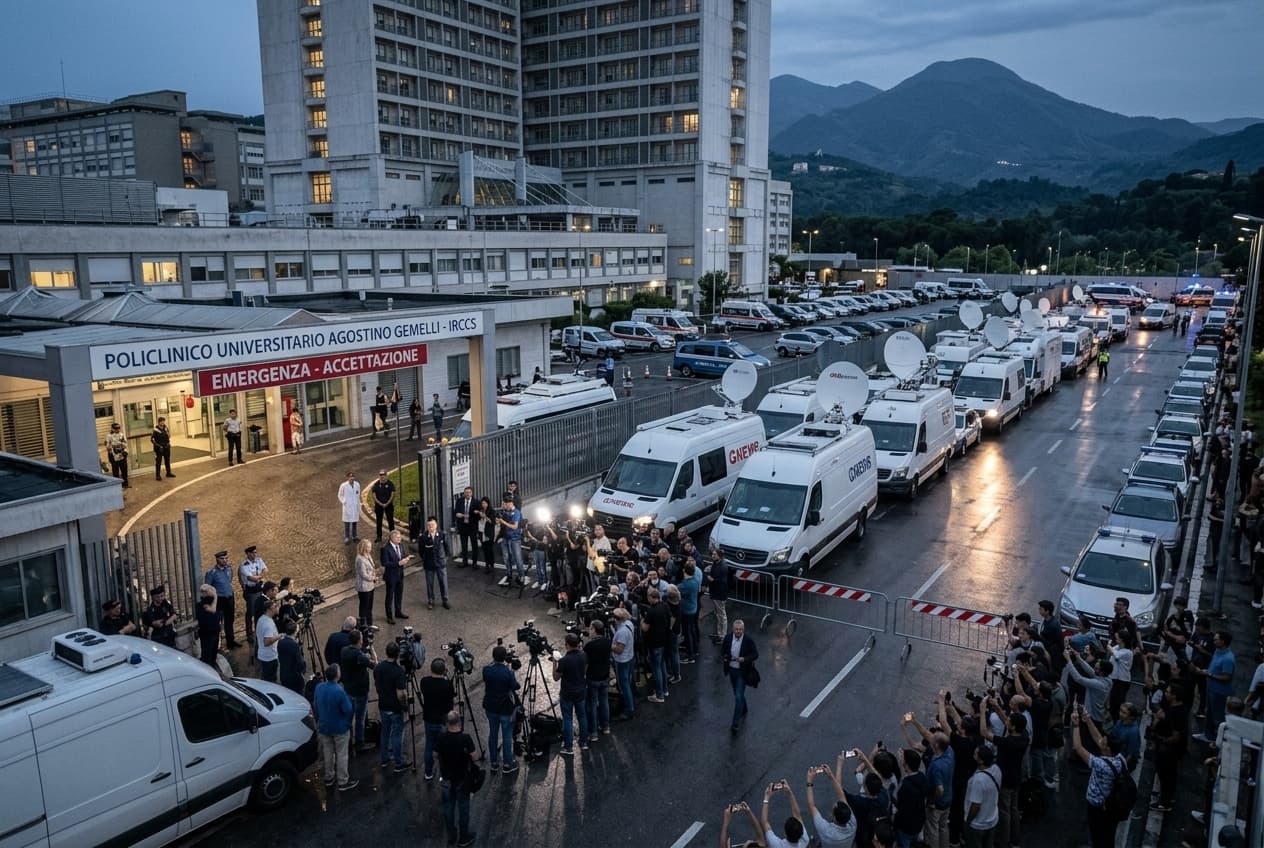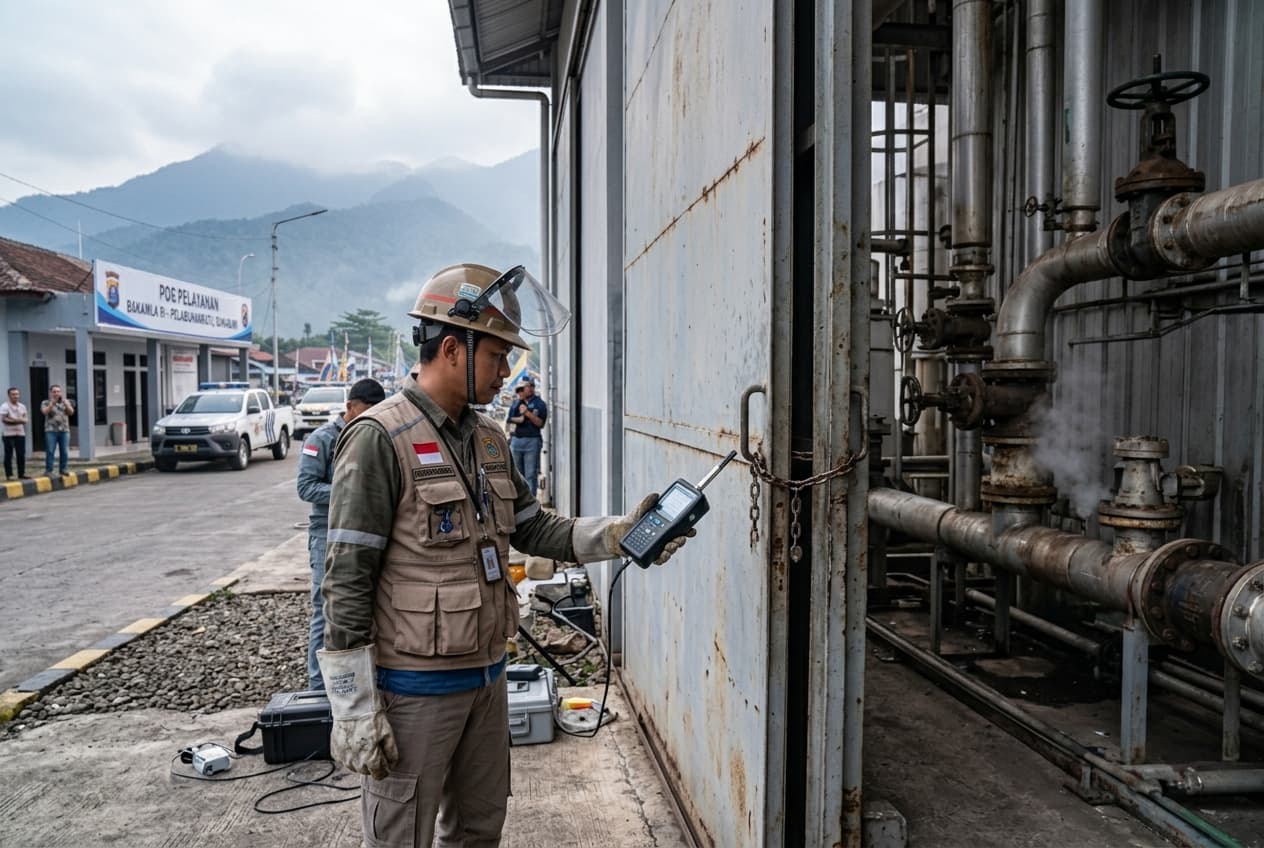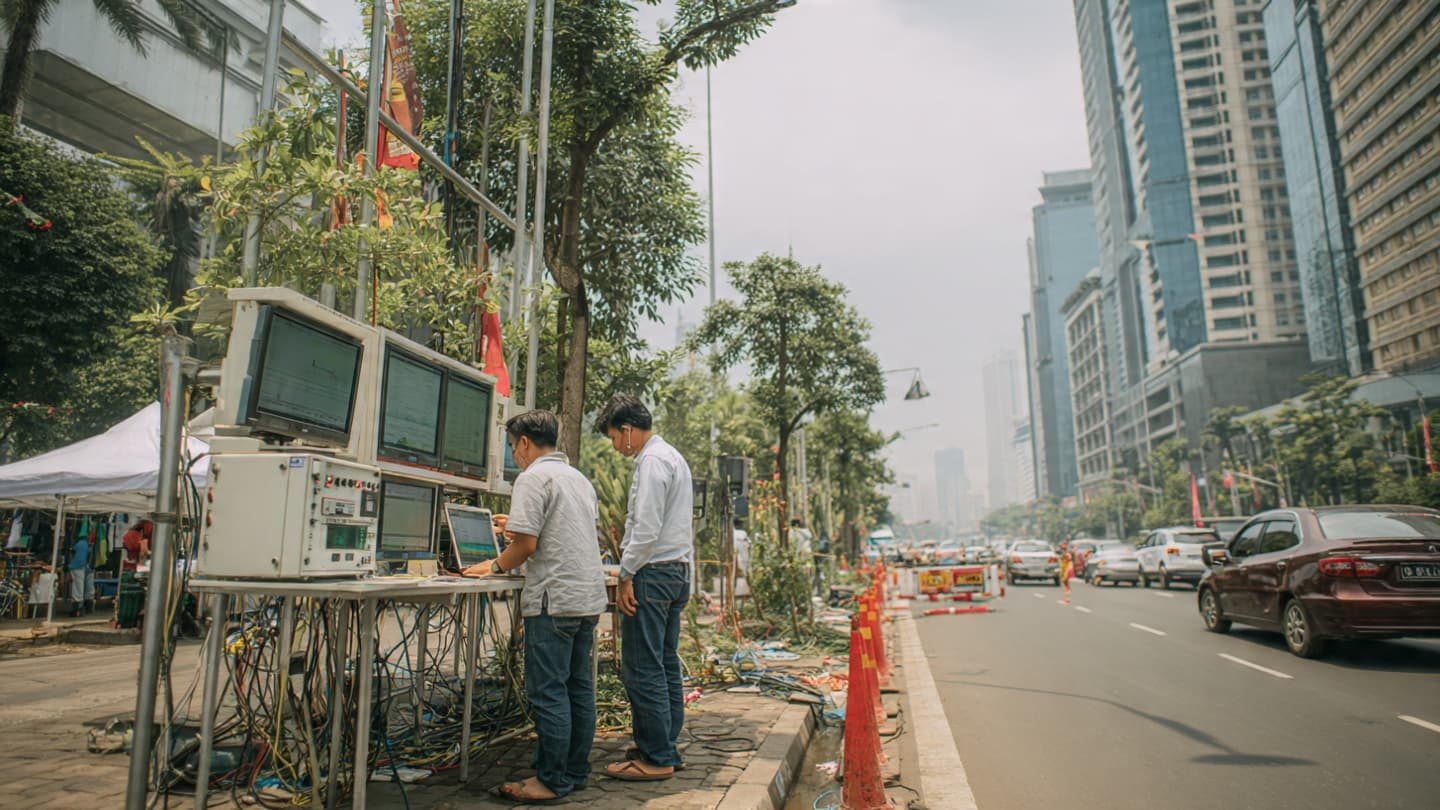
In Iran’s major cities, the sky has become a reflection of changing environmental conditions. The relationship between urban growth, transportation, industry, and air quality continues shaping everyday experiences.
Air pollution has affected several urban areas, particularly during periods when weather conditions limit the movement of pollutants. These moments reveal the connection between human activity and the atmosphere above cities.
Researchers have studied the sources of pollution, including vehicle emissions, industrial activity, and environmental factors. Their findings contribute to discussions about cleaner technologies and improved urban planning.
Public health remains an important part of the conversation. Poor air quality can influence communities, especially vulnerable groups, making environmental management increasingly significant.
Cities around the world face similar challenges. Iran’s experience reflects a global effort to create healthier urban environments while supporting economic development.
Technology and policy research continue exploring solutions, from cleaner transportation systems to improved monitoring methods.
Environmental challenges often require long-term approaches. Changes in infrastructure and public behavior develop gradually over time.
Communities, scientists, and institutions continue searching for ways to improve urban air quality.
As Iran’s cities evolve, the challenge of creating cleaner skies remains connected with the broader story of sustainable urban development.
AI Image Disclaimer Illustrations were generated with AI technology and represent conceptual scenes only.
Sources
World Health Organization United Nations Environment Programme Times of Israel World Air Quality Reports
Published by Banx Network. This article is part of the Banx decentralized media programme, powered by the BXE token on the XRP Ledger.

.jpg&w=3840&q=75 "Qantas Grounds Plane After Passengers Report Bedbug Bites")