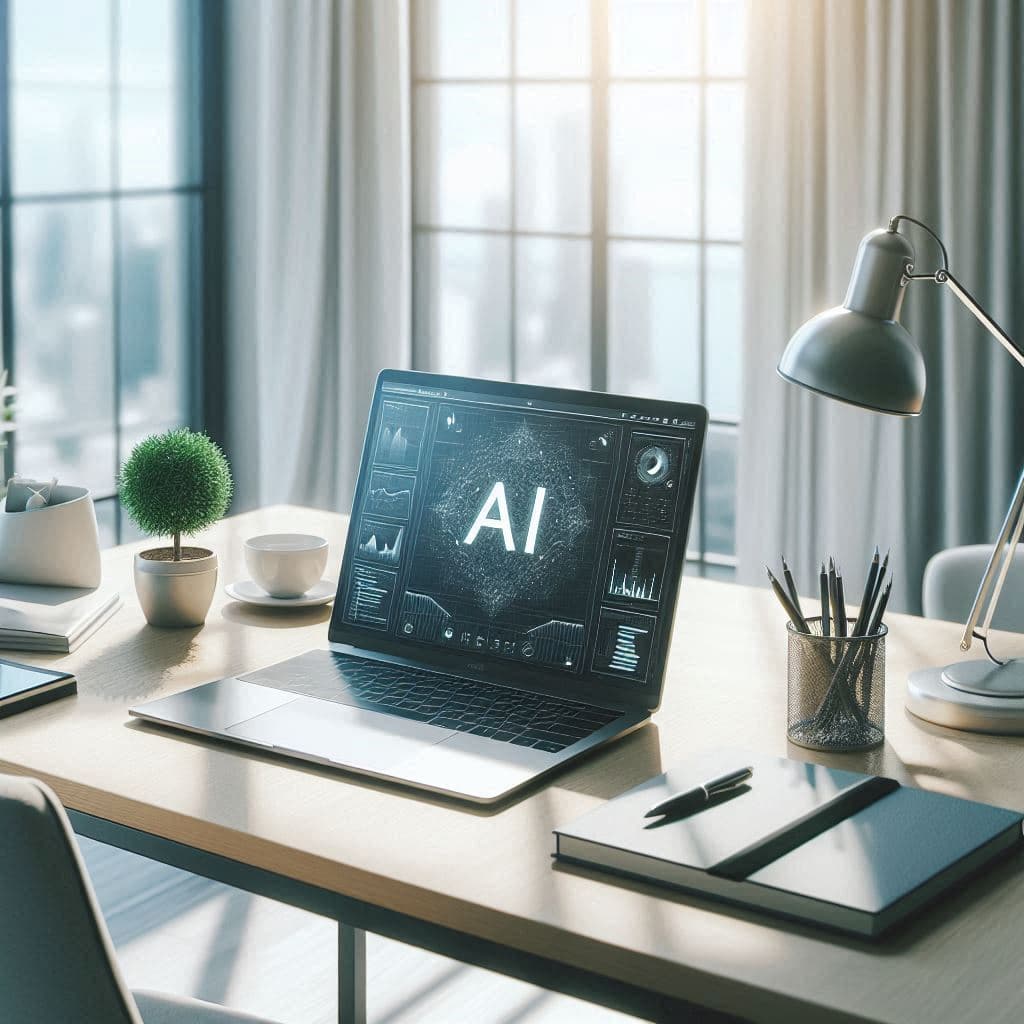
There is a peculiar kind of dawn when the first light nudges the horizon, a moment when the familiar feels new again. In the same way, the era of artificial intelligence on personal computers is unfolding like that gentle morning glow: neither abrupt nor dramatic, but quietly illuminating the contours of everyday work and creativity. For Asus, a company long associated with hardware craftsmanship and practical innovation, this emerging light has revealed a terrain ripe for transformation — particularly in the world of commercial computing.
In conversations with industry watchers and company leaders, a recurring theme arises: the belief that AI PCs are not merely a technical novelty, but a growing force in how work gets done. Asus Senior Vice President Eric Chen describes this shift with a calm conviction, suggesting that AI-powered machines are beginning to blend into the rhythm of enterprise use, helping professionals navigate tasks with both precision and intuition. As enterprises across various sectors adopt AI PCs to streamline workflows, enhance collaboration, and improve security, Asus sees a landscape where intelligent computing becomes part of the everyday toolkit rather than a distant aspiration.
This focus on commercial adoption feels like tending a garden that has long been watered by incremental advances. For years, AI capabilities were present in niche applications — hidden behind technical jargon and confined to geeky conference halls. But now, with vendors like Asus expanding their hardware, software, and AI ecosystems, those capabilities are blossoming into tools that promise practical productivity enhancements. Asus’s AI PCs blend advanced processing, cloud-native tools, and integrated smart features to support everything from meeting summarization to data management, offering businesses a palette of options tailored to varied professional needs.
Yet the emphasis on commercial focus does not come at the expense of Asus’s broader ambitions. The company continues to nurture its traditional strengths — gaming systems, consumer notebooks, and creator-oriented devices — ensuring that the language of AI is spoken across the board. Still, the enterprise usage story remains compelling: companies are seeking devices that can adapt to security challenges, support remote work, and assist with analytics and decision-making in ways that transcend rote computing. The narrative of AI PCs expanding into workspace productivity mirrors broader industry projections that suggest intelligent computing will form an increasingly central part of global PC shipments in coming years.
Reflecting on this shift, one is reminded of the quiet revolution of the past — when personal computers moved from hobbyist curiosities to indispensable office tools. Today’s AI PC renaissance may follow a similar trajectory, beginning in specialized professional enclaves before gradually reshaping mainstream expectations. While consumer excitement around new features is palpable, it’s within the nuanced, everyday contexts of commercial use where AI PCs are beginning to etch their most meaningful marks.
Asus’s direction suggests a thoughtful balance between tradition and transformation. The company’s efforts to integrate AI across hardware and software ecosystems aim to make these tools accessible and genuinely useful, avoiding the pitfalls of hype without dimming the promise of innovation.
Looking ahead, Asus positions itself not merely as a maker of machines but as a partner in the evolving dialogue between humans and intelligent technology — a dialogue that, at its best, seeks clarity, purpose, and shared progress.
In concrete terms, Asus continues to unveil new AI-enabled workstations and commercial devices designed to enhance productivity and security in professional settings — part of its broader strategy to make AI PCs as valuable for business users as they are for gamers and creators alike.
AI Image Disclaimer (rotated wording)
Graphics are AI-generated and intended for representation, not reality.
---
Sources
Main Media: CRN Asia, Business Standard/TechRadar, Forbes, Business Today, ASUS official pressroom announcements.
Published by Banx Network. This article is part of the Banx decentralized media programme, powered by the BXE token on the XRP Ledger.