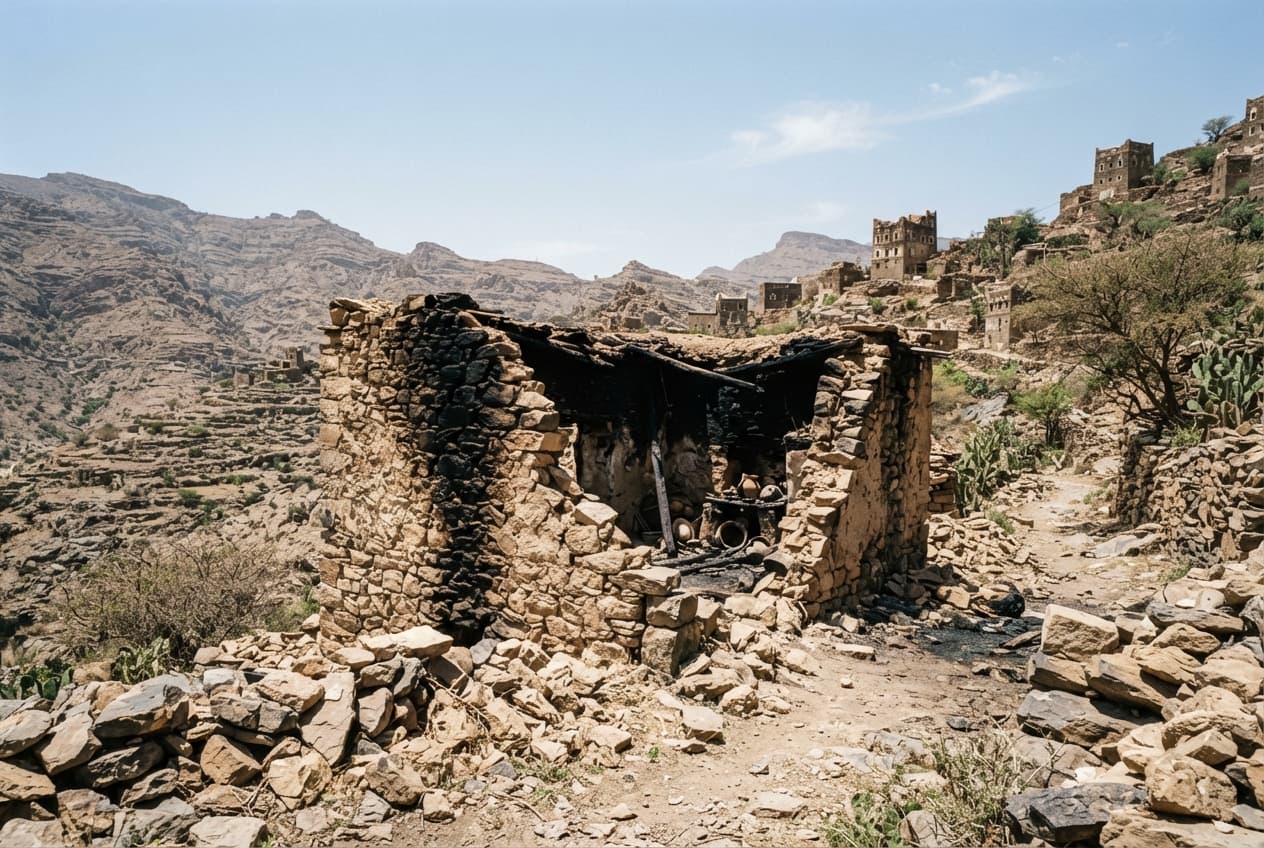
There are moments in the life of a region when a single administrative decision feels heavier than the paperwork that carries it. Lines on maps, after all, are rarely just lines; they are stories of belonging, memory, and expectation. In the hills and valleys of the West Bank, where geography and history are inseparable, a recent Israeli government move has stirred a familiar yet deeply consequential debate — one that reaches beyond borders and into the conscience of neighboring states.
Israeli authorities advanced a step widely interpreted as consolidating control over parts of the occupied West Bank, a measure critics describe as the “de facto beginning” of annexation. The action involves changes in administrative authority and land registration processes that shift oversight from military bodies to civilian government structures — a technical adjustment, perhaps, but one with symbolic and legal resonance.
For Israel’s neighbors, the symbolism was immediate. Governments in Jordan, Egypt, and other Arab states voiced strong objections, warning that the move risks undermining prospects for a negotiated two-state solution. Officials characterized the development as a unilateral step that alters facts on the ground, potentially complicating future diplomacy. Statements from regional foreign ministries emphasized adherence to international law and longstanding agreements governing the territory’s status.
The Israeli government, for its part, framed the decision in administrative and legal terms. Officials described it as a clarification of governance structures and an effort to regularize land records. Supporters argue that the move reflects sovereign responsibility and historical claims, presenting it as a domestic policy decision rather than a geopolitical declaration.
Yet in this region, administrative shifts rarely remain administrative. Since 1967, the West Bank has occupied a central place in the Israeli-Palestinian conflict, and each planning approval, land designation, or jurisdictional change carries implications beyond its immediate scope. For Palestinians, such measures are seen as incremental steps that entrench Israeli control and narrow the geographic basis for future statehood.
Regional reaction underscores the fragility of diplomatic equilibrium. Jordan, which maintains a peace treaty with Israel and holds custodial responsibilities over Islamic holy sites in Jerusalem, described the move as destabilizing. Egyptian officials similarly warned that unilateral actions could heighten tensions at a moment already strained by conflict and humanitarian concerns elsewhere in the region.
International observers have echoed these cautions. European governments and multilateral organizations have reiterated their opposition to settlement expansion and annexation, formal or informal. Their language tends to center on preserving the viability of a two-state framework, even as that framework grows more difficult to imagine in practical terms.
Inside Israel, political divisions remain visible. Some coalition figures advocate for formal annexation of parts of the West Bank, viewing it as an assertion of national identity and security. Others warn of diplomatic costs, economic repercussions, and long-term demographic consequences. The debate reflects broader questions about Israel’s future trajectory and its relationship with both allies and adversaries.
For Palestinians living in affected areas, the developments are tangible. Land classification can influence building permits, infrastructure access, and legal recourse. In communities already navigating layers of administrative complexity, further shifts in authority add to uncertainty about daily life and long-term prospects.
The broader regional context adds weight to these concerns. With tensions already elevated across the Middle East, neighboring governments appear cautious about steps that could inflame public opinion or disrupt existing security arrangements. Diplomatic statements, though measured in tone, reveal deep unease about potential ripple effects.
In straightforward terms, Israeli authorities have advanced a measure affecting governance and land administration in parts of the West Bank. Neighboring countries, including Jordan and Egypt, have condemned the move, calling it a step toward de facto annexation. Israel maintains that the change is administrative in nature. The situation remains under close international scrutiny as diplomatic responses continue to unfold.
AI Image Disclaimer Graphics are AI-generated and intended for representation, not reality.
Source Check Credible mainstream and international outlets covering regional condemnation of Israel’s latest West Bank move include:
Reuters BBC News Al Jazeera The Guardian Associated Press
Published by Banx Network. This article is part of the Banx decentralized media programme, powered by the BXE token on the XRP Ledger.