
Key Highlights
- U.S. Accusations: The U.S. has accused China of supporting Iran financially.
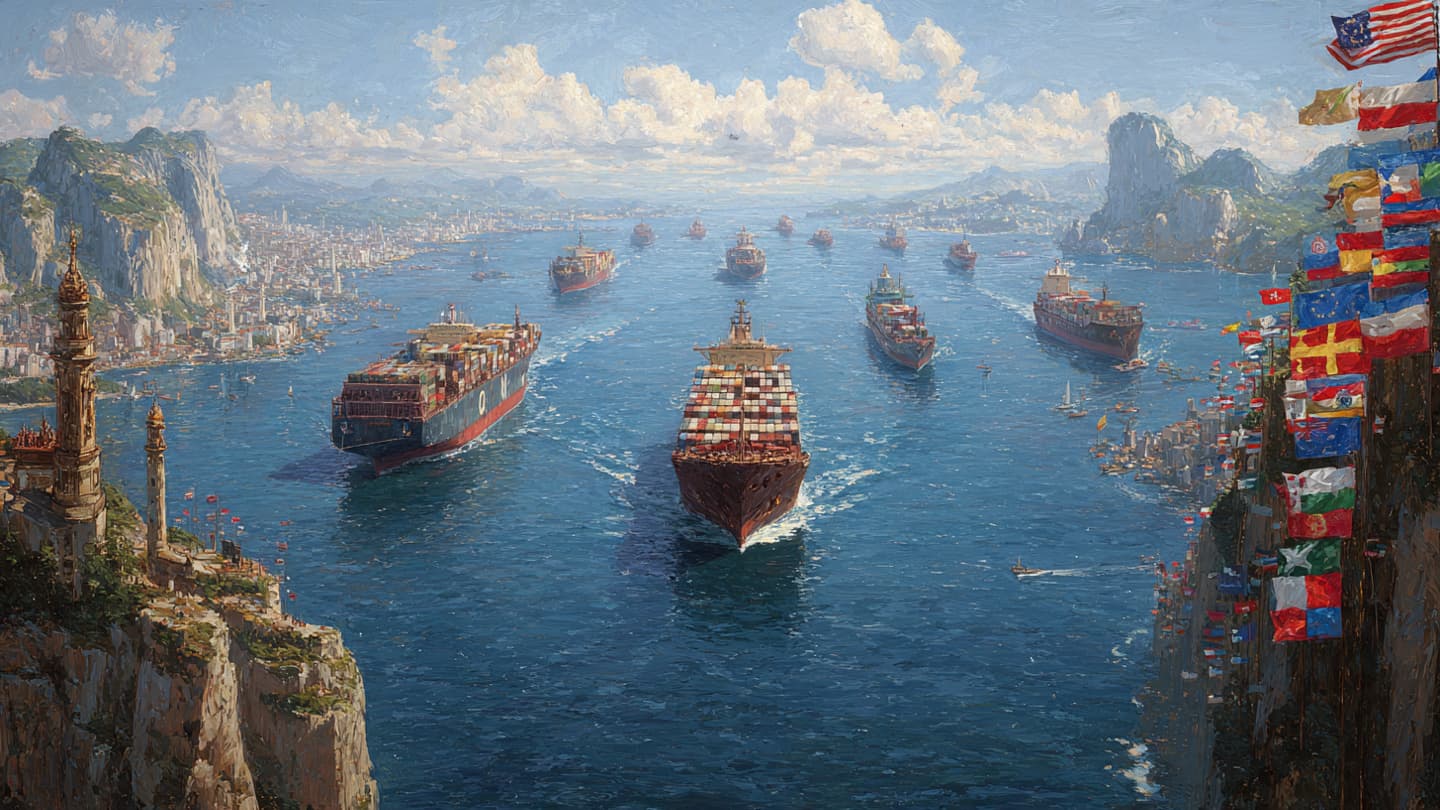
- Strait of Hormuz:This vital waterway is crucial for global energy supply.
- Diplomatic Dynamics:The interplay of competition and cooperation defines current relations.
In the layered language of global diplomacy, accusations often travel alongside appeals, forming a dialogue that is as much about influence as it is about intention. Across continents, these exchanges ripple outward, shaping perceptions in ways both immediate and enduring.
The United States has recently accused China of providing financial support to Iran, while simultaneously urging Beijing to assist in ensuring the continued openness of the Strait of Hormuz. This dual message reflects the complexity of international relations, where competition and cooperation frequently coexist. The Strait of Hormuz remains a critical conduit for global energy flows, making its stability a shared concern among major economies. Any disruption carries implications that extend far beyond regional boundaries.
U.S. officials have framed their position within the broader context of maintaining freedom of navigation and safeguarding international trade. Calls for China’s involvement highlight the interconnected nature of global supply chains and energy security. The U.S. is particularly concerned about the implications of Iran's actions on the stability of this vital waterway, which sees a significant percentage of the world's oil shipments.
China, for its part, has consistently emphasized principles of non-interference and dialogue, often positioning itself as a stabilizing presence in international affairs. Its economic ties with Iran, particularly in the energy sector, have been a subject of ongoing discussion. Analysts suggest that such accusations and requests are part of a wider strategic narrative, reflecting tensions that go beyond a single issue. The interplay between economic relationships and geopolitical priorities remains a defining feature of the current landscape.
Other international actors have responded with cautious interest, recognizing both the significance of the Strait and the importance of avoiding escalation. Diplomatic channels continue to serve as the primary avenue for addressing these concerns. Countries in the region, as well as global powers, are closely monitoring the situation, aware that any misstep could lead to broader conflicts.
Energy markets and policy circles are closely monitoring developments, aware that shifts in tone or action could influence both supply and sentiment. Stability in the region remains a central objective for many stakeholders, including oil-producing nations and consumer countries alike. As discussions continue, the situation illustrates how global powers navigate shared challenges, balancing differences while acknowledging mutual dependencies.
In conclusion, the ongoing dialogue between the U.S. and China regarding Iran and the Strait of Hormuz underscores the intricate web of international relations, where accusations and appeals are part of a larger strategy to maintain stability and security in a volatile region.
Published by Banx Network. This article is part of the Banx decentralized media programme, powered by the BXE token on the XRP Ledger.



