In the rugged landscapes of British Columbia, where forest roads serve as arteries for both industry and adventure, a recent closure has sparked frustration among outdoor enthusiasts. The Rady Forest Service Road in the Kootenays’ Trout Lake area is set to close on November 1, limiting access to popular trails and backcountry destinations. For those who rely on these routes for hiking, biking, and motorized recreation, the decision feels like a barrier to the very natural experiences the province claims to promote.
The closure is part of a broader effort by the Ministry of Forests to deactivate resource roads that are no longer required for industrial logging. While the intention is to reduce maintenance costs and environmental impact, the recreational community argues that these roads have become vital infrastructure for public access. The Rady Creek road, in particular, provides entry to a network of trails that are cherished by locals and visitors alike. Its deactivation would effectively shut down a key gateway to the wilderness.
Advocacy groups, including the BC Snowmobile Federation and local four-wheel-drive clubs, have voiced strong opposition to the plan. They emphasize that these roads are not just remnants of industrial activity but have evolved into essential recreational assets. By closing them, the province may be undermining its own goals of growing the outdoor recreation economy. The frustration is palpable, with many feeling that their voices have been overlooked in the decision-making process.
The Ministry of Forests states that the work is scheduled for the 2026 field season and is necessary for long-term forest management. However, critics argue that there is no clear process for transitioning these roads to public use once industrial interest wanes. Without a formal mechanism to maintain them for recreation, valuable access points are lost. This gap in policy leaves outdoor enthusiasts in a precarious position, unsure of where they will be able to pursue their passions in the future.
The economic impact of such closures is also a concern. Many small businesses in rural areas depend on tourism driven by outdoor activities. Limiting access to popular spots could reduce visitor numbers, affecting local economies that are already fragile. The disconnect between provincial planning and local reality highlights the need for more collaborative approaches to land management.
Residents and stakeholders across B.C. have united to stop the deactivation, calling for an administrative pause to explore alternative solutions. They propose that the province develop a strategy to keep certain roads open for public use, perhaps through partnerships with community groups or user fees. This model could ensure that maintenance costs are covered while preserving access for recreation.
The debate over the Rady Creek road is emblematic of a larger tension between resource extraction and public enjoyment of nature. As logging declines in some areas, the question of who inherits the infrastructure becomes increasingly urgent. Finding a balance that respects both ecological integrity and recreational rights is a challenge that requires innovative thinking and inclusive dialogue.
As the November 1 deadline approaches, the outdoor community remains hopeful that a compromise can be reached. They continue to engage with officials, sharing stories and data that highlight the value of these roads. Their persistence reflects a deep love for the land and a desire to keep it accessible for future generations.
The frustration over the B.C. forest road closure underscores the importance of inclusive land-use planning. While the province aims to manage resources efficiently, it must also consider the social and economic benefits of public access. By working together, officials and recreational users can find solutions that preserve both the environment and the opportunities it offers for connection and adventure.
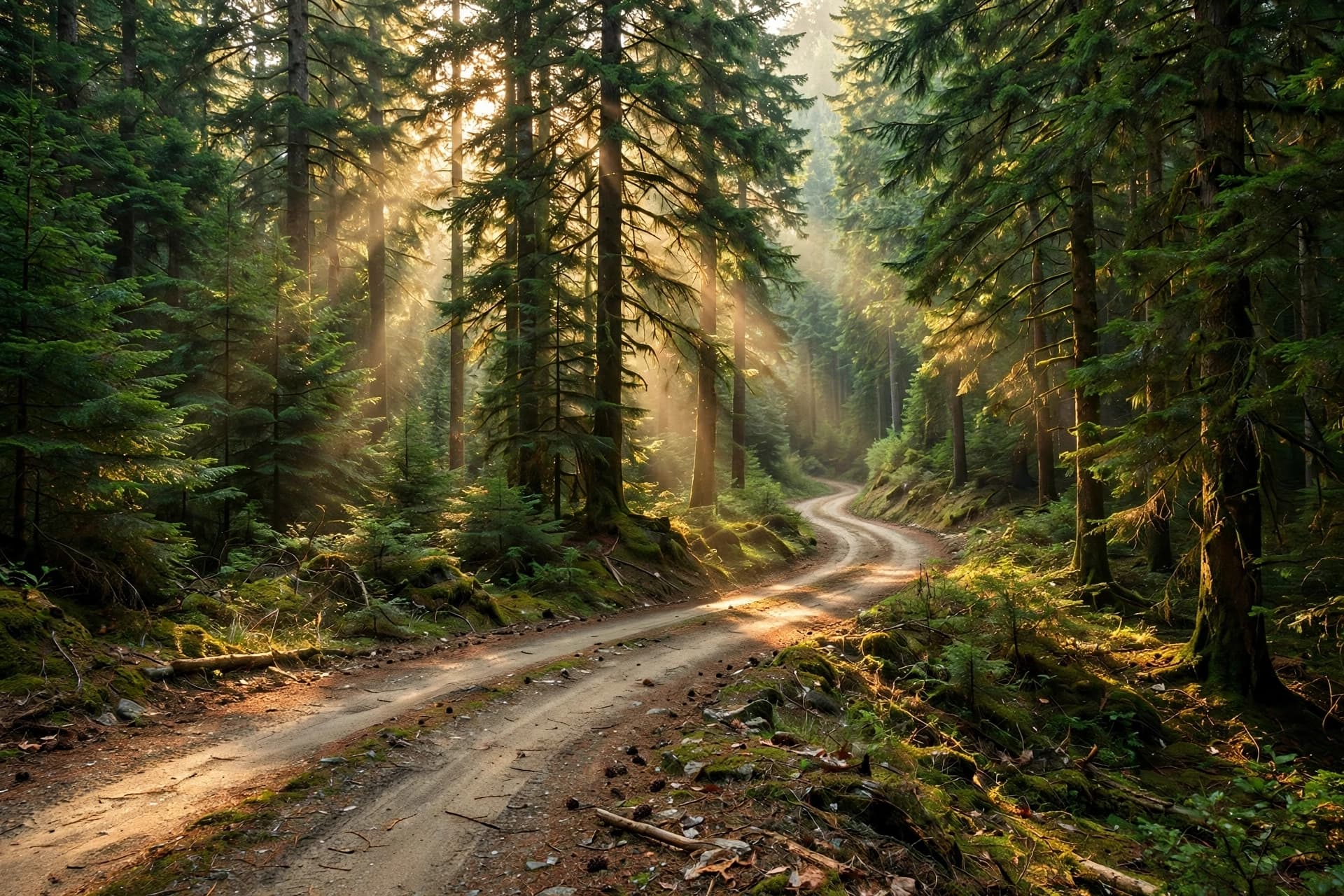
AI Image Disclaimer: The images accompanying this report are AI-generated illustrations intended to represent the beauty of British Columbia’s forests and the concept of road access, not actual photographs of the Rady Creek road or specific protests.
Sources: Yahoo News, Clearwater Times, BC Snowmobile Federation, Instagram (BCSF)
Published by Banx Network. This article is part of the Banx decentralized media programme, powered by the BXE token on the XRP Ledger.