There are moments in markets that feel like ripples spreading outward across a still pond — gentle at first, but carrying their influence far enough to disturb even distant shores. Wall Street experienced such a moment this week when a speculative report about the future of artificial intelligence unsettled investor confidence and briefly reshaped sentiment across major indices. What began as an arcane set of scenarios, woven on a small platform, found itself unexpectedly amplified into the broader financial consciousness, revealing how fragile equilibrium can be in times of uncertainty.
The report in question, a hypothetical scenario crafted by a boutique research house, envisioned a future where autonomous AI agents reshape the economy in ways that ripple through jobs, productivity, and consumer demand. Though framed as a thought experiment rather than a forecast, its narrative — depicting an AI-driven downturn and a contraction in economic participation — struck a chord with investors already attentive to the promises and risks of disruptive technology.
On Unhedged, the Financial Times’ markets podcast, hosts Katie Martin and Robert Armstrong unpacked how a report of this nature, despite its speculative posture, set off reactions far beyond its modest origins. They described how markets can be particularly sensitive when macroeconomic narratives — especially those involving technology’s impact — shift from optimism to apprehension. In this case, even an obscure post was enough to alter trading behavior briefly, underscoring how sentiment has become a central driver of market movement.
Listeners and analysts noted that the episode highlighted some deeper currents running beneath the surface of today’s financial markets. In an environment where valuations in technology sectors are high and investors are broadly positioned toward future growth, even indirect signals — especially ones that touch on themes of displacement or structural change — can weigh on confidence. What might once have been dismissed as conjecture now holds the potential to influence decision-making, at least in the short term.
Beyond the narrative itself, the reaction revealed how intertwined digital chatter and financial markets have become. Social media, financial forums, and blogs can give rise to ideas that attract rapid attention, and when sentiment flips from euphoria to concern, volatility tends to follow. Wall Street’s own reflexes sometimes seem less anchored in hard data than in collective psychology, particularly when technology’s promises also carry shadows of disruption.
Over the past days, U.S. equities saw sharp movements — major indexes slid as investors digested the AI-linked anxieties alongside other pressures, such as renewed tariff concerns and broader risk aversion, prompting portfolio adjustments across sectors. Financial stocks and tech firms were among the more pronounced decliners as portfolios were rebalanced away from perceived vulnerability.
In calmer reflections, commentators have pointed out that while such reports can cast a short-lived pall, they rarely capture the full complexity of economic fundamentals. Theories of long-run productivity gains, capital investment, and adaptive labor markets remain central to many strategic outlooks, even as debates about AI’s long-term impact continue to evolve. What the episode demonstrated was not a definitive future, but a window into the anxieties and hopes that coexist at the heart of investor psychology.
In practical market terms, the stock indexes reacted to the lead signals from negative sentiment before later showing signs of stabilization as knee-jerk trading subsided and real company news regained focus. Overall, the episode served as a reminder that in today’s interconnected financial world, narrative can sway momentum just as forcefully as economic data, especially when it plays to broader themes of change and uncertainty.
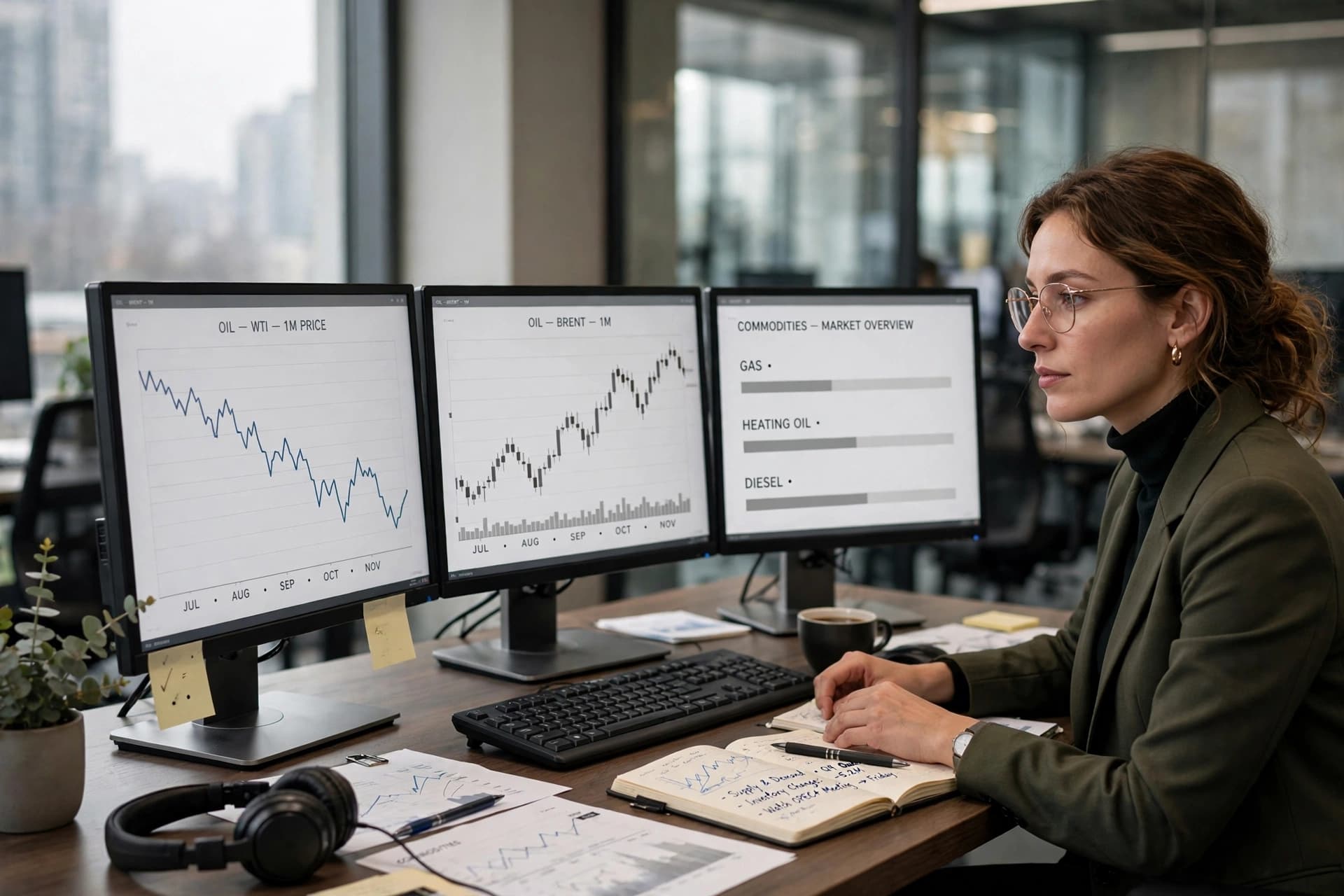
AI Image Disclaimer “Visuals are created with AI tools and are not real photographs.”
Sources Financial Times The Guardian Reuters Business Today WBUR / Here & Now Newsroom
Published by Banx Network. This article is part of the Banx decentralized media programme, powered by the BXE token on the XRP Ledger.