
There are voices that do not simply speak to a moment but seem to travel alongside a nation’s conscience. When such a voice grows quiet, the silence feels larger than the room it once filled. The passing of has prompted reflections that stretch across decades, across movements, and across party lines—an acknowledgment of a life interwoven with America’s long and unfinished story of civil rights.
As news of his death spread, tributes arrived with the steady rhythm of remembrance. Leaders, activists, clergy members, and former presidents paused to recognize a man who had marched beside giants, built institutions, and insisted that the promise of equality remain a living commitment rather than a distant aspiration.
Former President described Jackson as a trailblazer whose campaigns and organizing reshaped the political imagination of the country. Obama noted that his own journey was made possible in part by the doors Jackson helped push open, expanding the electorate and broadening the national conversation. In those remarks, there was a quiet recognition of lineage—how one generation’s courage becomes the next generation’s opportunity.
President called Jackson “one of America’s greatest patriots,” reflecting on his decades of advocacy for voting rights, economic justice, and inclusion. Biden’s statement emphasized Jackson’s unwavering belief in democratic participation, recalling how he urged communities not only to protest but to register, to organize, and to vote. The tribute framed Jackson as both a moral voice and a pragmatic strategist—someone who understood that hope required structure as well as passion.
Former President also offered condolences, acknowledging Jackson’s long-standing presence in public life and describing him as a determined and influential figure. The gesture of bipartisan recognition underscored how certain legacies transcend the boundaries of electoral politics, especially in moments of reflection.
Clergy leaders and civil rights advocates echoed these sentiments, recalling Jackson’s work with the Rainbow PUSH Coalition and his presidential campaigns in the 1980s, which brought issues of racial justice and economic fairness into the center of national debate. His efforts to build multiracial coalitions were often described as ambitious and at times imperfect, yet undeniably transformative in widening political participation.
For many, Jackson’s life was inseparable from the broader civil rights movement. He stood beside Dr. Martin Luther King Jr., organized voter registration drives in the South, and later turned his attention to global human rights efforts. His sermons and speeches often blended biblical cadence with policy demands, reminding audiences that moral conviction and civic engagement were not opposing forces but companions.
As tributes continue to surface, they share a common tone: gratitude for persistence. Jackson’s career spanned eras of protest and policy, of setbacks and gains. His voice urged Americans to “keep hope alive,” a phrase that outlived campaign seasons and became part of the movement’s vocabulary.
Funeral arrangements are expected to be announced by the family in the coming days. Public memorial events are being planned in Chicago and Washington, D.C., according to representatives of the Rainbow PUSH Coalition. Leaders across parties have indicated their intention to attend or send formal delegations. Further details will be released as they become available.
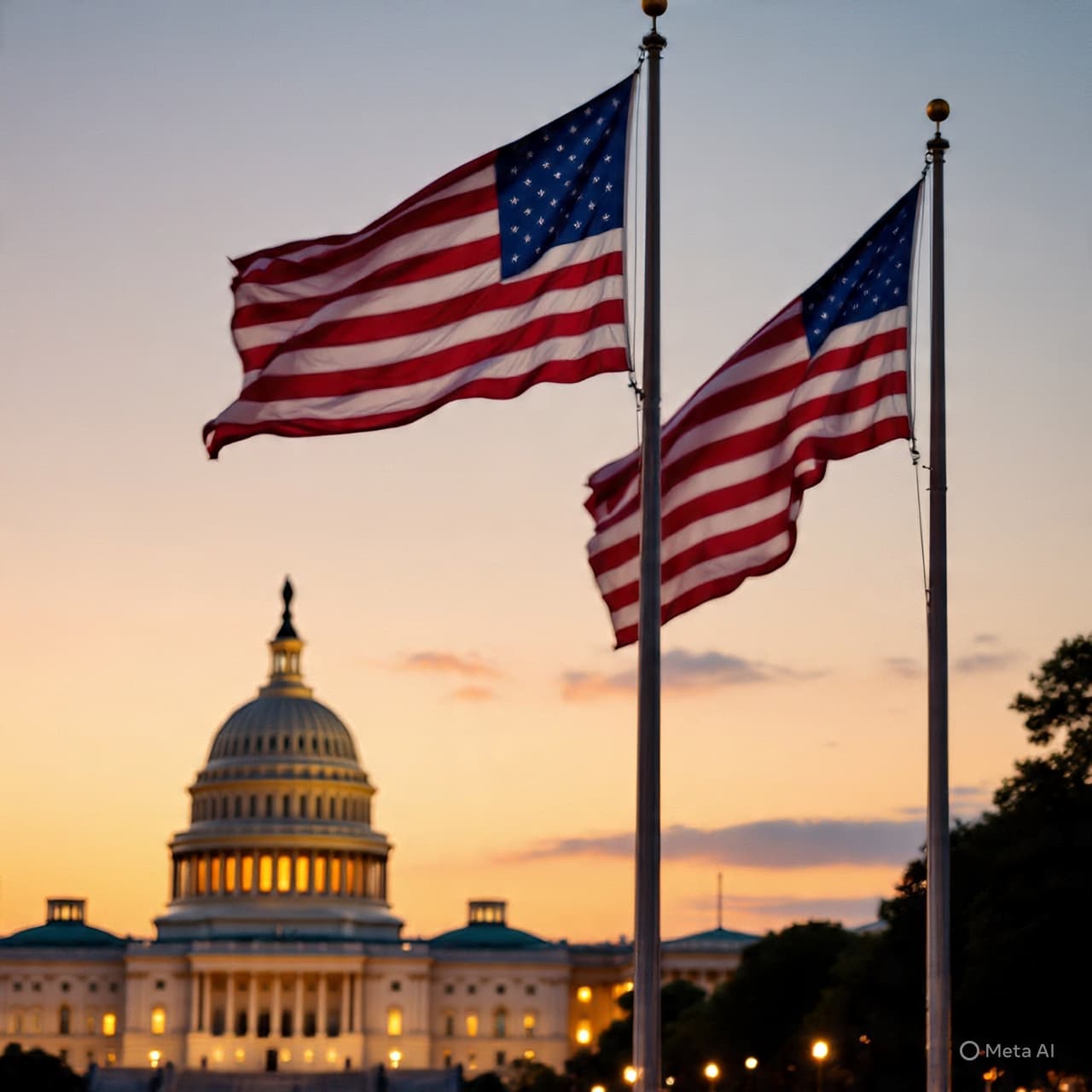
AI Image Disclaimer
Illustrations were produced with AI and serve as conceptual depictions.
Sources: Associated Press Reuters BBC News The Guardian The New York Times
Published by Banx Network. This article is part of the Banx decentralized media programme, powered by the BXE token on the XRP Ledger.
.jpg&w=3840&q=75 "Romania Passes Controversial Integrity Law for Officials to Access EU Funds")

