

Key Highlights
- The Strait of Hormuz is a critical maritime route for global oil and gas.
- Rising war-risk insurance premiums are affecting shipping decisions.
- Geopolitical tensions in the region are influencing global energy markets.
The Strait of Hormuz, a narrow waterway between Iran and Oman, serves as a vital artery for global oil and liquefied natural gas transport. Approximately 20% of the world's oil passes through this strait daily, making it one of the most significant maritime routes. However, the geopolitical landscape surrounding this region has become increasingly fraught, leading to heightened concerns among shipping companies and insurers alike.
In recent months, the rising cost of war-risk insurance has emerged as a critical factor influencing shipping decisions in the Strait of Hormuz. Insurers often categorize the strait as a high-risk zone during periods of regional tension, resulting in a dramatic increase in premiums. For shipping companies, these costs can escalate quickly, adding hundreds of thousands of dollars to the expense of a single voyage. This financial burden forces companies to reconsider their operational strategies, weighing the necessity of transporting goods against the risks involved.
The maritime insurance market, particularly in London, is highly responsive to geopolitical developments. When threats arise—be it from military conflicts, drone strikes, or incidents involving commercial vessels—underwriters promptly reassess their risk exposure. This can lead to swift adjustments in pricing or even temporary restrictions on coverage, further complicating the decision-making process for shipping firms.
Historically, periods of heightened tension between Iran and Western nations have triggered spikes in insurance costs. For instance, incidents involving commercial vessels in the Gulf have led to increased premiums, prompting shipping companies to adopt a more cautious approach. The interconnected nature of global trade means that any disruption in the Strait of Hormuz can have far-reaching implications, influencing oil prices and supply chains across continents.
Shipping companies must navigate a complex landscape of considerations when deciding whether to send vessels through the strait. They must evaluate whether the increased insurance costs can be absorbed without jeopardizing profitability. Additionally, they may need to implement enhanced security measures or comply with new reporting requirements imposed by insurers, which can lead to delays and further complications.
Despite these challenges, the Strait of Hormuz remains an indispensable route for oil exports from Gulf producers. While alternative pipelines exist, they cannot accommodate the vast volumes of oil that rely on maritime transport. This reality creates a paradox: the world depends on the strait for energy supplies, yet the risks associated with navigating its waters are ever-present.
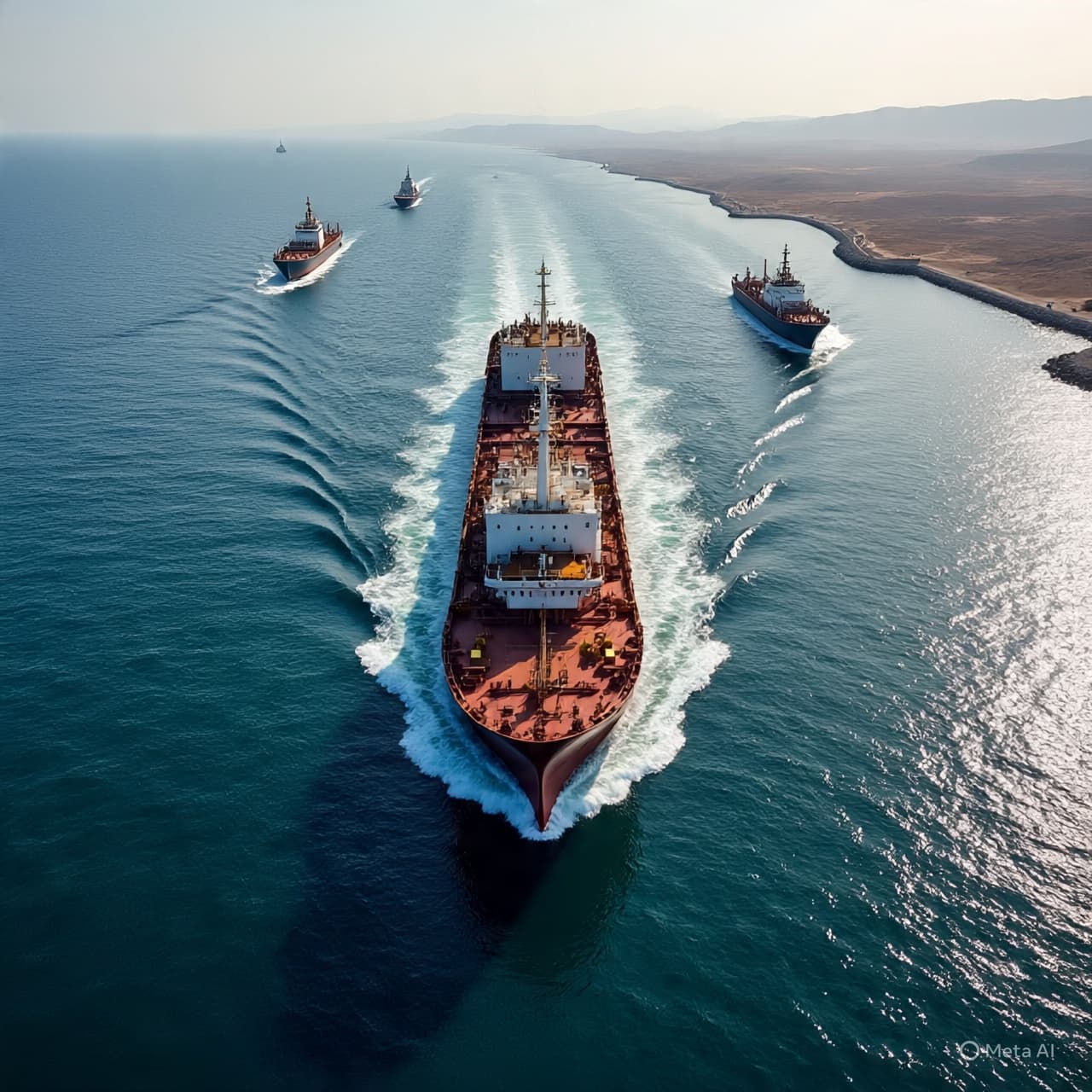
As shipping companies continue to operate in this precarious environment, the decisions they make reflect a delicate balance between economic necessity and operational safety. Tankers still traverse the strait, often escorted by naval patrols, but the hesitation behind each decision underscores the complexities of modern maritime trade. The Strait of Hormuz remains a focal point of global commerce, where every voyage carries significant weight and implications for the broader energy market.
In conclusion, the Strait of Hormuz is not just a passageway; it is a question of risk that shippers and insurers must navigate carefully. As geopolitical tensions evolve, so too will the dynamics of shipping in this critical region, shaping the future of global trade.
Published by Banx Network. This article is part of the Banx decentralized media programme, powered by the BXE token on the XRP Ledger.




