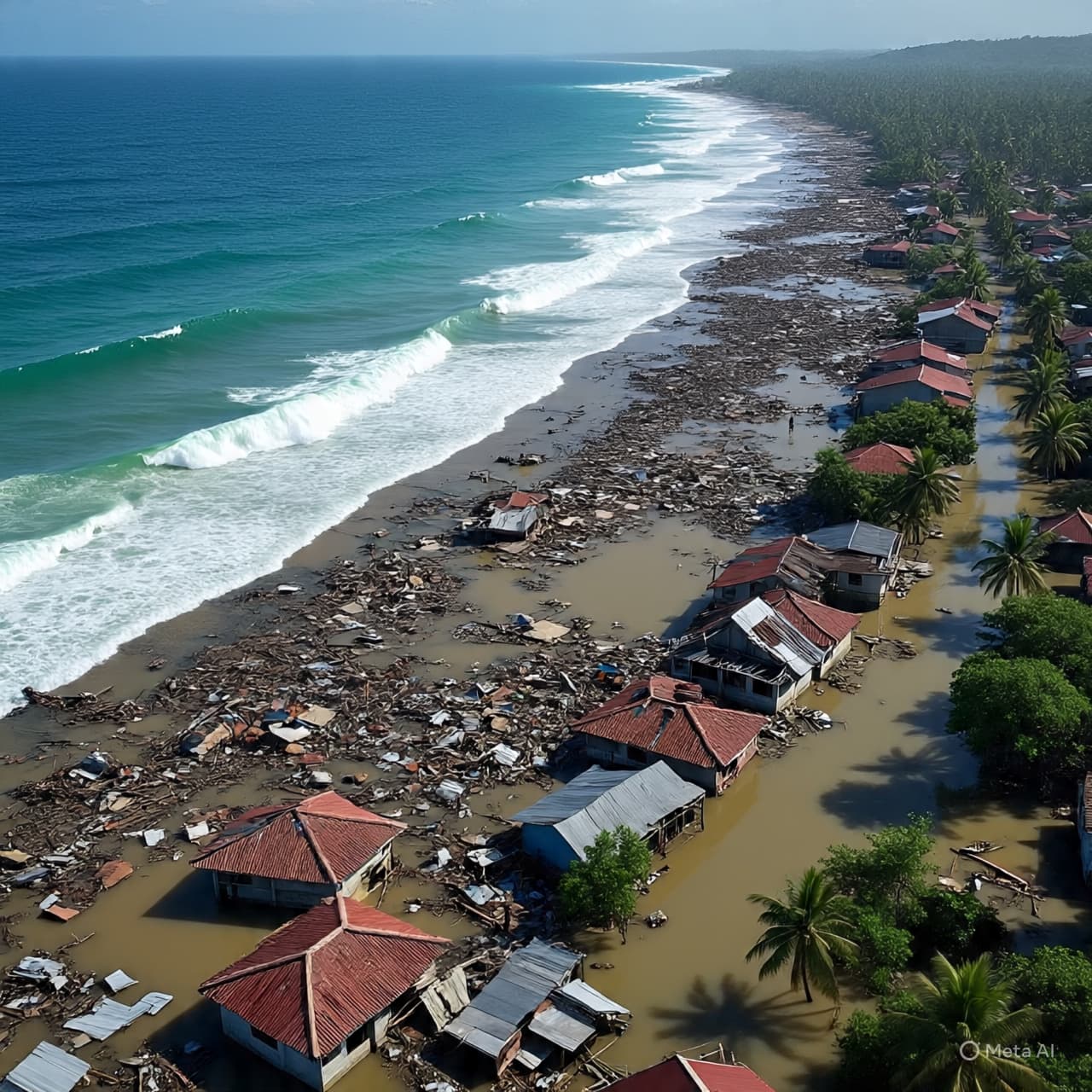
Weather does not negotiate. Nature delivers its terms without consultation, without diplomacy, without delay. And so the Philippines — a nation that has learned to interpret cyclones almost like a second language — now faces another punishing chapter. Typhoon Kalmaegi carved a lethal path across communities, killing many and leaving behind fields of broken timber, flooded homes, and families suddenly unanchored from normal life.
In that kind of landscape, there is no “policy debate.” There is only triage.
The president of the Philippines declared a state of emergency — an admission that the normal systems of distribution and response are not adequate for the scale of the blow. An emergency declaration is not theater. It is a legal tool that unlocks acceleration: faster funds, faster deployment, faster authority. Red tape is the enemy of the next 48 hours.
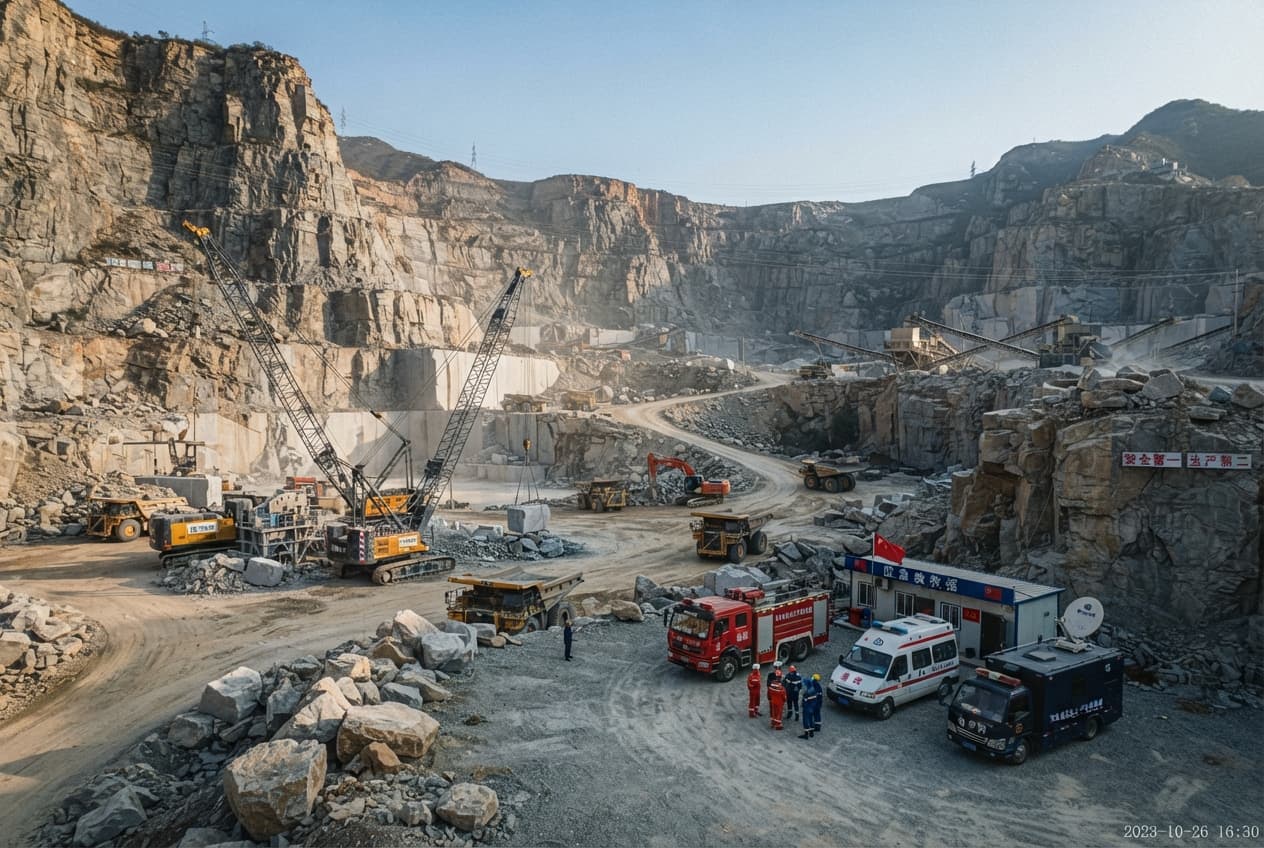
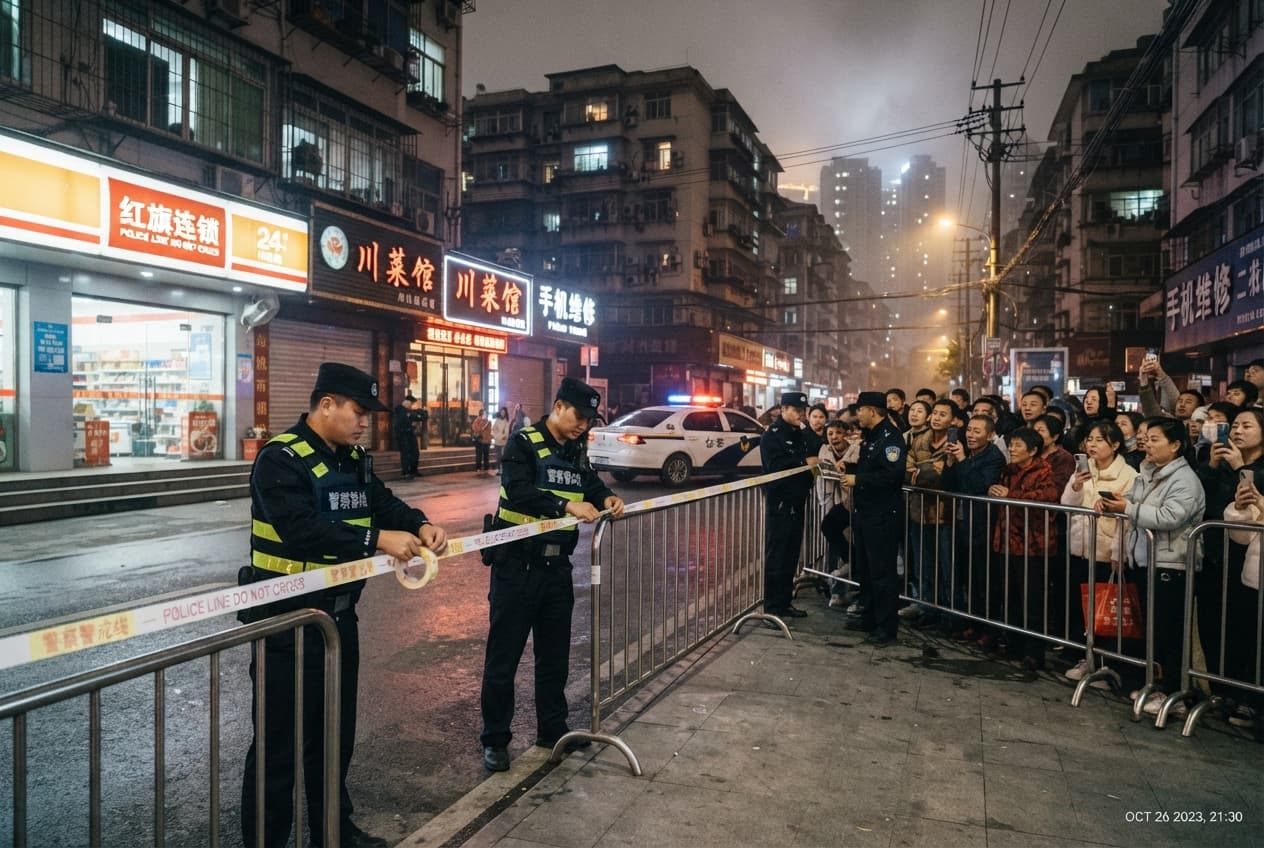
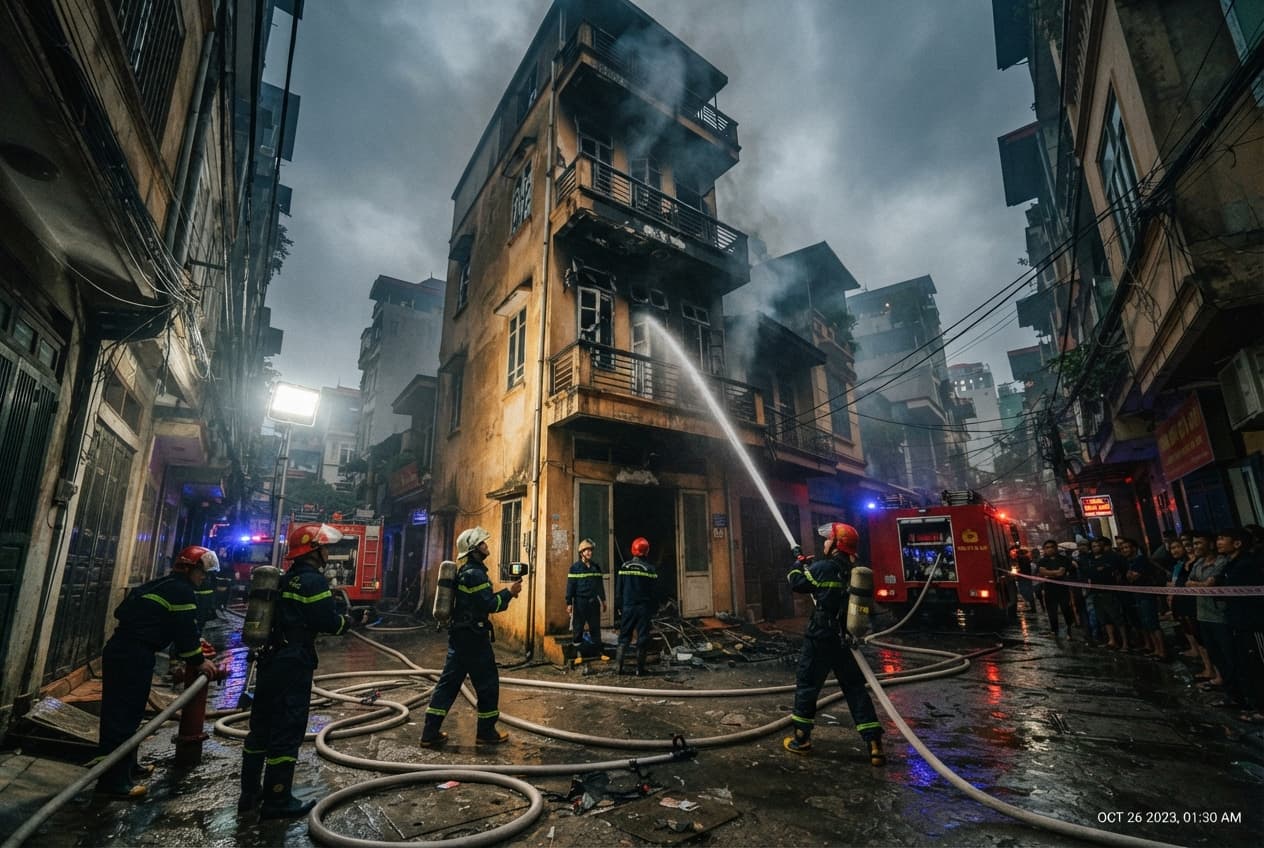
AI image disclaimer Images described above are conceptual art directions only, not depictions of the event. Because a disaster is not just a geological or meteorological event — it is a logistics failure in slow motion. Every minute that passes becomes another multiplier of human loss.
And crisis management always reveals something uncomfortable: societies don’t actually collapse on impact. They collapse in the *after*. In the weeks where water stagnates, where supply lanes choke, where fatigue becomes lethal, where responders have to decide whose house gets cleared first.
Typhoon Kalmaegi is a reminder that the map of the Pacific is also a map of vulnerability — and that emergency powers are sometimes the only way to keep grief from turning into something larger and structural.
AI image disclaimer Images described above are conceptual art directions only, not depictions of the event.
Published by Banx Network. This article is part of the Banx decentralized media programme, powered by the BXE token on the XRP Ledger.