It is a strange thing — how the ocean can look like a friend at noon and a courtroom at midnight. The Philippines knows this duality more intimately than most. Storms do not merely visit this archipelago. They interrogate it.
Now, another storm has been declared a super typhoon as it slams into the islands — the latest reminder of how the Pacific sometimes behaves like an ungovernable empire. In local meteorological language, this is more than a weather system; it is a category that implies the storm has reached the zone where human agency becomes irrelevant for a while.
Filipinos have storm memory. They know what to pack. They know where to run. They know where the terrain is brittle. Local disaster officials do not speak in metaphors; they speak in verbs: evacuate, pre-position, secure.
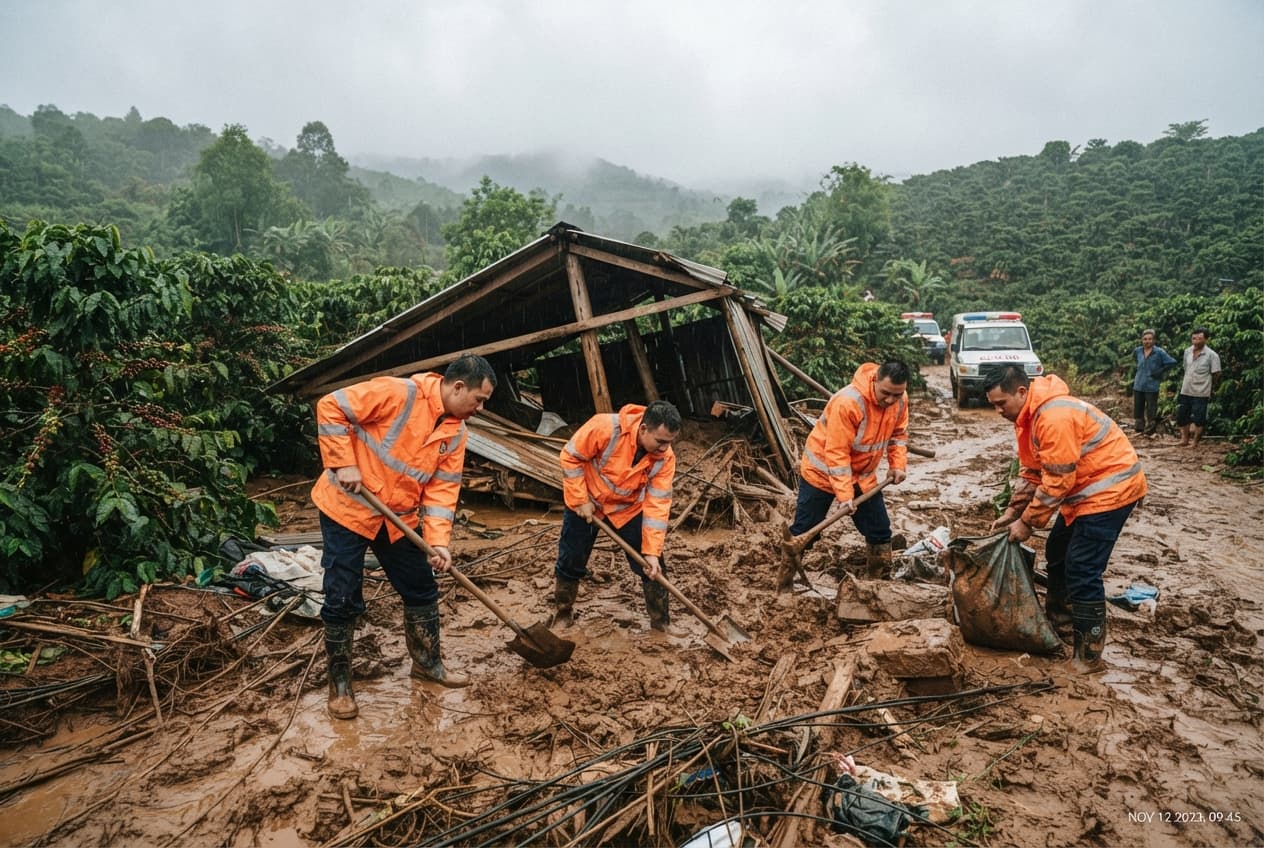
In a country where millions live near the coast, the threat is always hydrological before it is mechanical — the hundred kilometers per hour wind is a headline number; the real killer is water. When government officials say “storm surge,” everyone knows that means the sea might step onto the land like a trespasser with intent.
The storm arrives at a moment when climate is no longer an abstraction. Every strong typhoon in the Pacific reopens the conversation: how much of this is the new normal — and how much of this is only the beginning phase of a still-rising curve?
But the Philippines has also built a new civic muscle over the last decade — better early alerts, more assertive local mayors, stronger national disaster protocols. Resilience is not just a comforting word here; it’s a daily engineering practice.
Yet even resilience sometimes must bow to scale.
Published by Banx Network. This article is part of the Banx decentralized media programme, powered by the BXE token on the XRP Ledger.