In the silent depths of space, where light struggles against gravity, astronomers at the University of North Carolina have witnessed a rare and fleeting phenomenon. A black hole, typically invisible and insatiable, was caught in the act of disrupting a passing star. This event, known as a tidal disruption event (TDE), offers a unique opportunity to study the extreme physics governing these cosmic giants. For a brief moment, the darkness lit up, revealing the hidden mechanics of the universe.
The observation underscores the power of modern telescopes and the dedication of scientists who scan the skies for such transient signals. It is a reminder that even in the vast emptiness of space, dramatic events are constantly unfolding, waiting to be detected by careful eyes.
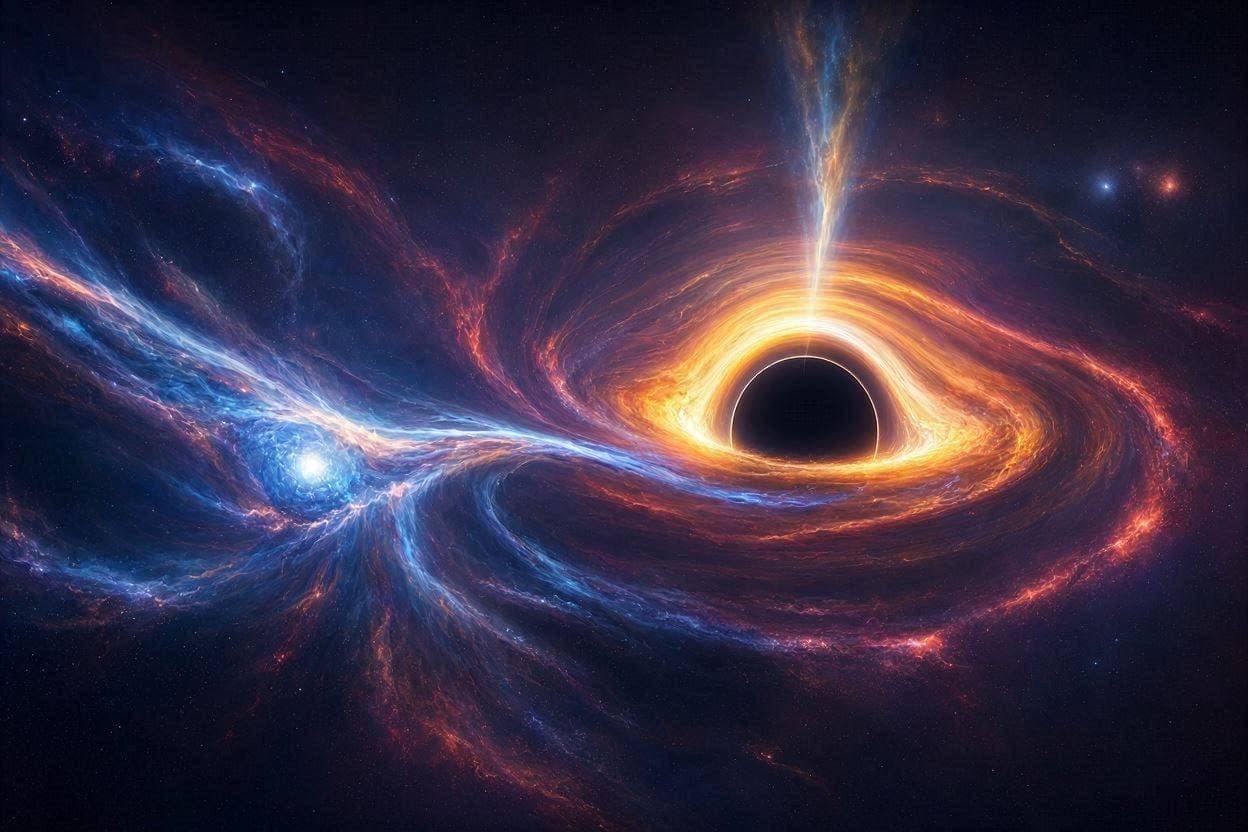
Body: The team used data from multiple observatories to track the sudden burst of energy emitted as the star was torn apart. As the star approached the black hole, tidal forces stretched it into a stream of gas, a process often described as "spaghettification." This material then spiraled into the black hole, heating up and emitting intense radiation across the electromagnetic spectrum.
Such events are rare because they require a precise alignment of a star and a black hole. Most stars orbit safely, but occasionally, one wanders too close. The resulting flare can outshine entire galaxies for weeks or months, making it detectable even from billions of light-years away. This particular event provided high-quality data due to its proximity and brightness.
Analyzing the light curve of the flare allows astronomers to estimate the mass of the black hole and the properties of the destroyed star. These measurements help refine models of black hole growth and evolution. Understanding how black holes feed is crucial for knowing how they influence the galaxies they inhabit.
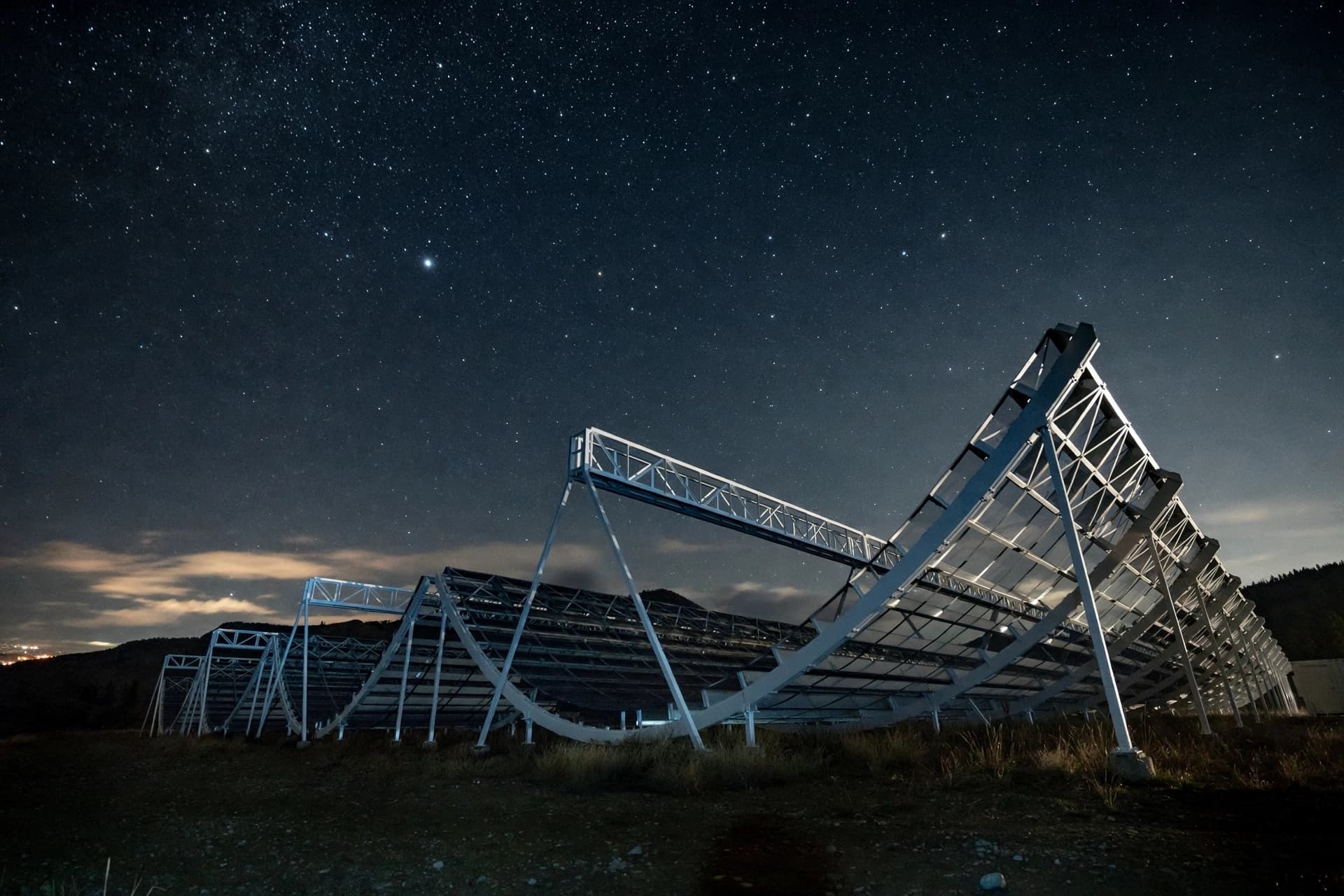
The UNC team’s work highlights the importance of collaboration in astronomy. By combining observations from ground-based telescopes and space satellites, they created a comprehensive picture of the event. This multi-messenger approach is becoming standard in modern astrophysics, yielding richer insights than single-source data.
For the public, the concept of a black hole eating a star is both terrifying and fascinating. It captures the imagination, illustrating the raw power of gravity. Yet, it also demonstrates the predictability of physical laws, which apply equally to distant cosmic events and everyday experiences.
This discovery also contributes to the search for intermediate-mass black holes, which are harder to find than their stellar or supermassive counterparts. TDEs can serve as signposts, revealing the presence of these elusive objects. Each detection adds a piece to the puzzle of black hole demographics.
As technology improves, astronomers expect to detect more such events. Surveys like the upcoming Vera C. Rubin Observatory will scan the sky continuously, catching transient phenomena in real-time. This will transform our understanding of the dynamic universe.
The UNC astronomers’ success is a testament to the value of persistent observation. In a universe full of noise, finding the signal requires patience, skill, and a bit of luck.
Closing: The rare black hole event spotted by UNC astronomers sheds light on the violent processes shaping the cosmos. It invites us to look deeper into the dark, knowing that even there, light can be found.
AI Image Disclaimer: Images used in this report are AI-generated depictions intended to illustrate the cosmic phenomenon of a tidal disruption event.
Sources: University of North Carolina NASA Space.com Astrophysical Journal
Published by Banx Network. This article is part of the Banx decentralized media programme, powered by the BXE token on the XRP Ledger.