
Key Highlights
- Saif al-Islam Gaddafi, son of Muammar Gaddafi, has been killed.
- The Libyan Attorney General's Office has launched a formal investigation.
- Reactions across Libya reflect on justice, memory, and the nation's future.
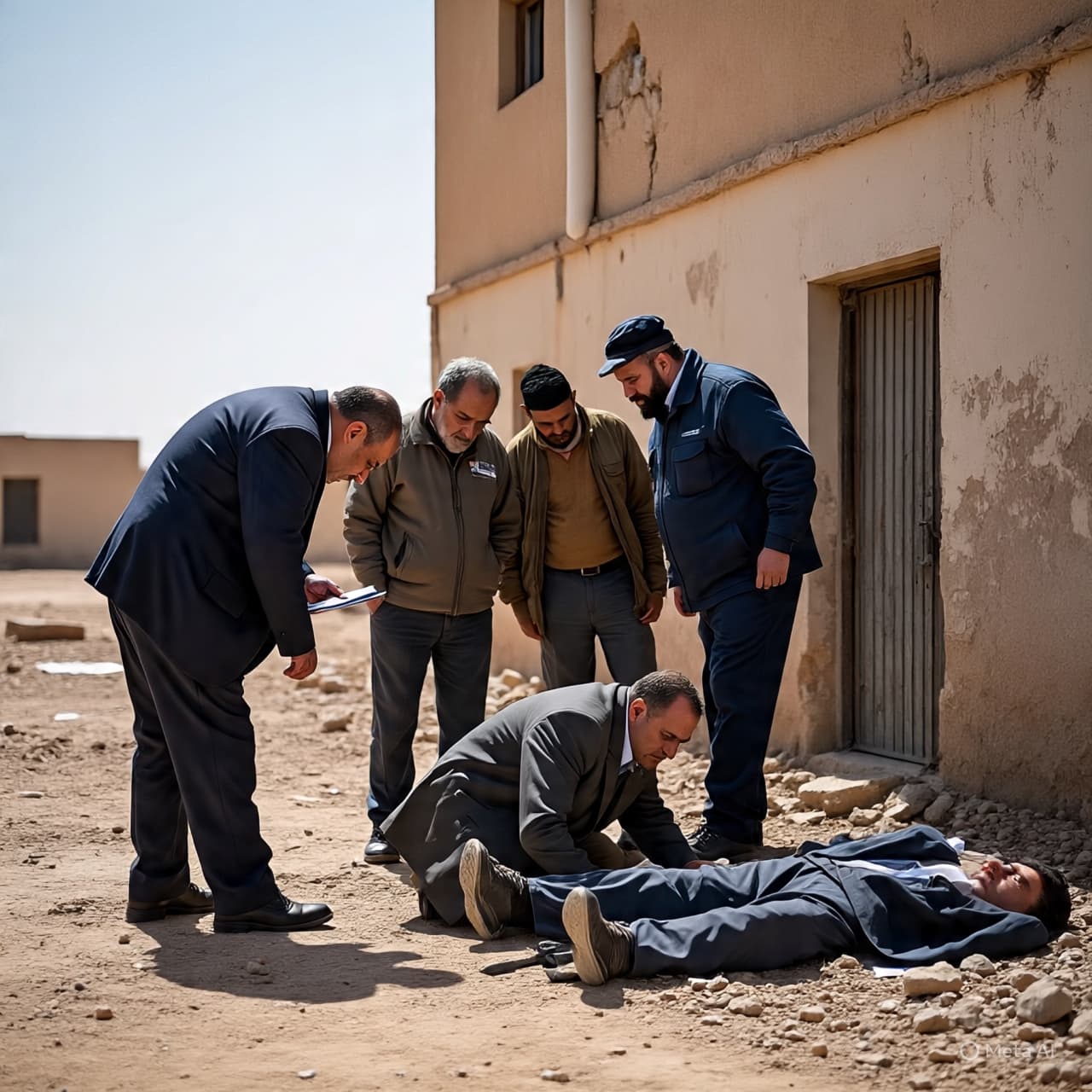
The recent death of Saif al-Islam Gaddafi, the son of the late Libyan leader Muammar Gaddafi, has sent shockwaves throughout Libya and beyond. Reports indicate that he was killed at his residence, prompting the Libyan Attorney General's Office to initiate a formal investigation into the circumstances surrounding his death. Forensic experts have been dispatched to the scene to gather evidence and identify those responsible for the gunfire that led to his demise.
Gaddafi's life has been intertwined with the tumultuous history of Libya. Born into the legacy of his father's authoritarian rule, he was once viewed as a potential successor. His education abroad and subsequent return to Libya positioned him uniquely within a nation grappling with the aftermath of the 2011 uprising that ultimately led to his father's downfall. Although he never held formal political power, his presence remained a potent symbol of the complexities of Libyan identity and governance.
The circumstances of his death remain unclear, with reports suggesting he was confronted by unidentified assailants. As the investigation unfolds, authorities are interviewing witnesses and collecting evidence to piece together the events leading to this significant moment in Libya's ongoing struggle for stability.
International reactions have been swift, with the African Union condemning the killing and urging all parties to resolve their differences through peaceful means. This call for dialogue underscores the fragile state of Libya, where political divisions and violence continue to threaten the path toward reconciliation and unity.
In cities like Tripoli and Benghazi, Libyans are reflecting on the implications of Gaddafi's death. For some, it signifies the closure of a chapter filled with potential; for others, it highlights the unresolved issues that plague the nation. The discourse surrounding his death is not merely about one individual but rather about the broader themes of justice, memory, and the quest for a peaceful future in a country still healing from years of conflict.
As the investigation progresses, it raises critical questions about how Libya will confront its past and honor the memories of those affected by the violence that has shaped its recent history. The dialogue surrounding accountability and the need for a unified national identity is more crucial than ever as Libya navigates its complex landscape of politics and society.
The death of Saif al-Islam Gaddafi serves as a poignant reminder of the challenges that lie ahead for Libya, as it seeks to reconcile its past while striving for a more stable and just future.
Published by Banx Network. This article is part of the Banx decentralized media programme, powered by the BXE token on the XRP Ledger.



