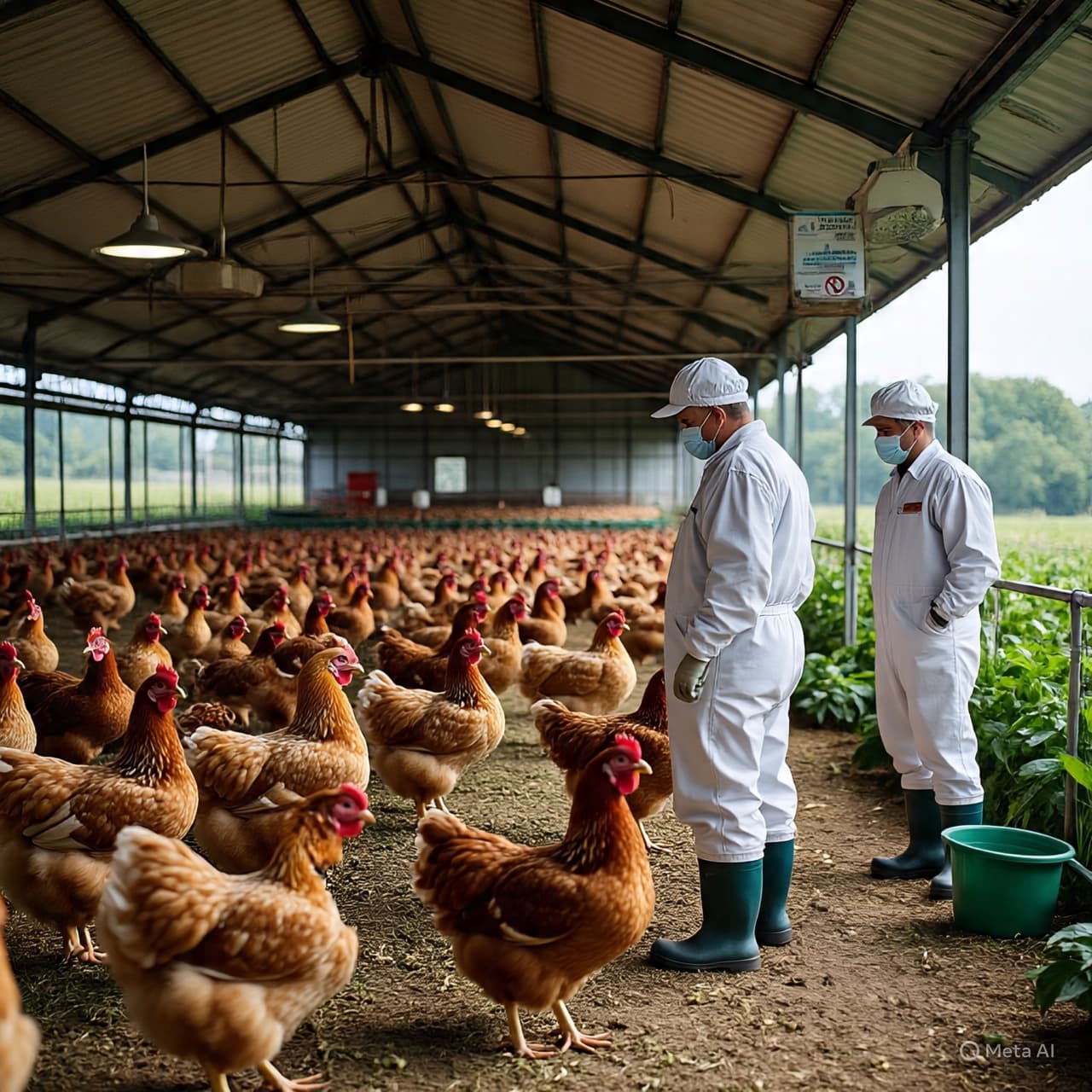
In the gentle rhythm of a poultry farm, life often moves with quiet predictability. The morning begins with the soft rustle of feathers, the low murmurs of hens, and the steady routine of feeding and care. For farmers, these sounds are more than background noise—they are the pulse of a livelihood, a sign that the small ecosystem of the coop is healthy and balanced.
Yet within this calm environment, invisible threats sometimes travel silently.
Among them is Newcastle disease, a viral infection that has long been known within the poultry world. Though its name may sound distant to many outside agriculture, farmers understand that this illness can move swiftly through a flock, disrupting not only the health of birds but also the fragile economics that sustain poultry operations.
Newcastle disease is caused by a virus belonging to the avian paramyxovirus group. It affects many types of birds, including chickens, turkeys, and even wild species. What makes the disease particularly concerning for poultry farmers is its highly contagious nature. The virus spreads through close contact between birds and through contaminated surfaces such as equipment, feed, water, or even clothing and footwear that have come into contact with infected animals.
The signs within a flock can appear in several forms. Some birds begin to show respiratory problems—coughing, sneezing, or difficulty breathing. Others may display neurological symptoms, such as tremors or twisted necks. In laying hens, egg production may fall sharply, and the eggs themselves may appear misshapen or weak-shelled. In severe outbreaks, mortality rates can climb dramatically, sometimes affecting a large share of the flock in a short period of time.
For poultry farmers, the impact of such an outbreak goes beyond animal health. A flock represents months of investment in feed, housing, labor, and veterinary care. When disease spreads quickly, losses can be significant. In some reported outbreaks around the world, farmers have lost tens of thousands of birds, with entire flocks wiped out within days.
This is why prevention often becomes the quiet center of poultry farming practice. Vaccination programs are widely used in many countries to protect flocks from severe forms of the disease. Yet vaccination alone is rarely considered enough. Experts frequently emphasize the importance of biosecurity—simple but consistent measures such as limiting visitors, disinfecting equipment, keeping wild birds away from poultry houses, and carefully monitoring birds for early signs of illness.
In many ways, disease control on a poultry farm resembles the tending of a garden wall. Each small precaution is like a stone placed carefully in position: cleaning boots before entering a barn, ensuring feed is protected from wild birds, or reporting unusual symptoms to veterinarians. None of these steps may seem dramatic on their own, but together they help form a barrier against infection.
Another challenge is the quiet presence of wild birds. Because the virus can circulate among bird populations in nature, it may occasionally find pathways into domestic flocks. This connection between wildlife and agriculture reminds farmers that their barns are never completely isolated from the broader environment.
Fortunately, Newcastle disease rarely poses a major threat to human health. In uncommon cases, people exposed to infected birds may develop mild eye irritation, but the illness is typically short-lived and self-limiting. For consumers, properly cooked poultry and eggs remain safe to eat.
Still, the vigilance required on poultry farms remains constant. Farmers, veterinarians, and agricultural authorities often work together to monitor outbreaks, encourage vaccination, and strengthen farm biosecurity. These efforts aim to keep flocks healthy while protecting the livelihoods tied to poultry production.
The story of Newcastle disease is therefore less about alarm and more about awareness. It is a reminder that agriculture, like nature itself, operates within delicate balances.
In the end, the quiet sounds of a healthy flock—clucking hens, rustling feathers, the steady rhythm of daily care—remain the goal farmers work patiently to protect. Through vigilance, cooperation, and careful farming practices, the poultry industry continues its steady effort to keep that rhythm undisturbed.
AI Image Disclaimer Images in this article are AI-generated illustrations intended to represent the topic conceptually.
Sources Farmers Weekly Agriland The Standard (FarmKenya) Poultry News Africa CodeBlue
Published by Banx Network. This article is part of the Banx decentralized media programme, powered by the BXE token on the XRP Ledger.